Most promotional products don’t fail because they’re badly designed.
They fail because they’re forgettable.
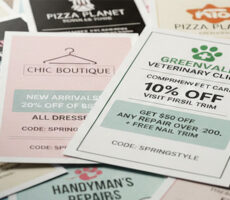
Think about how often customers receive flyers, cards, or giveaways that go straight into a drawer or worse, the trash. And then think about the few items that stay: on a fridge, on a desk, in a wallet, or pinned to a board months later.
That difference isn’t accidental.
Customers don’t keep print because it’s promotional.
They keep it because it taps into how the human brain decides what’s worth holding onto.
Understanding the psychology behind why people keep certain printed materials can completely change how small businesses approach print marketing, shifting it from short-term exposure to long-term brand presence.
Why “being seen” isn’t the same as being remembered

Many marketing decisions focus on reach:
- How many people saw it?
- How many impressions did it get?
- How many were distributed?
But memory doesn’t work that way.
The human brain filters aggressively. Most visual input is ignored within seconds. What survives that filter tends to share a few psychological traits:
- Relevance
- Emotional resonance
- Practical value
- Physical presence
Print has a unique advantage here. Unlike digital ads or emails, print occupies physical space. But not all print earns the right to stay in that space.
The key psychological triggers that make print “keepable”
Let’s break down the main reasons customers keep certain printed materials — and why others disappear.
1. Utility beats novelty every time
The most reliable predictor of whether a customer keeps something is simple:
Is it useful?
Items that serve a purpose naturally avoid being thrown away. This is why certain print products consistently outperform others in retention.
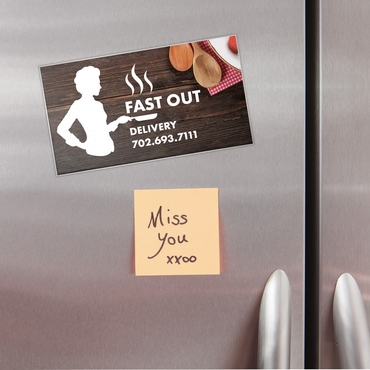
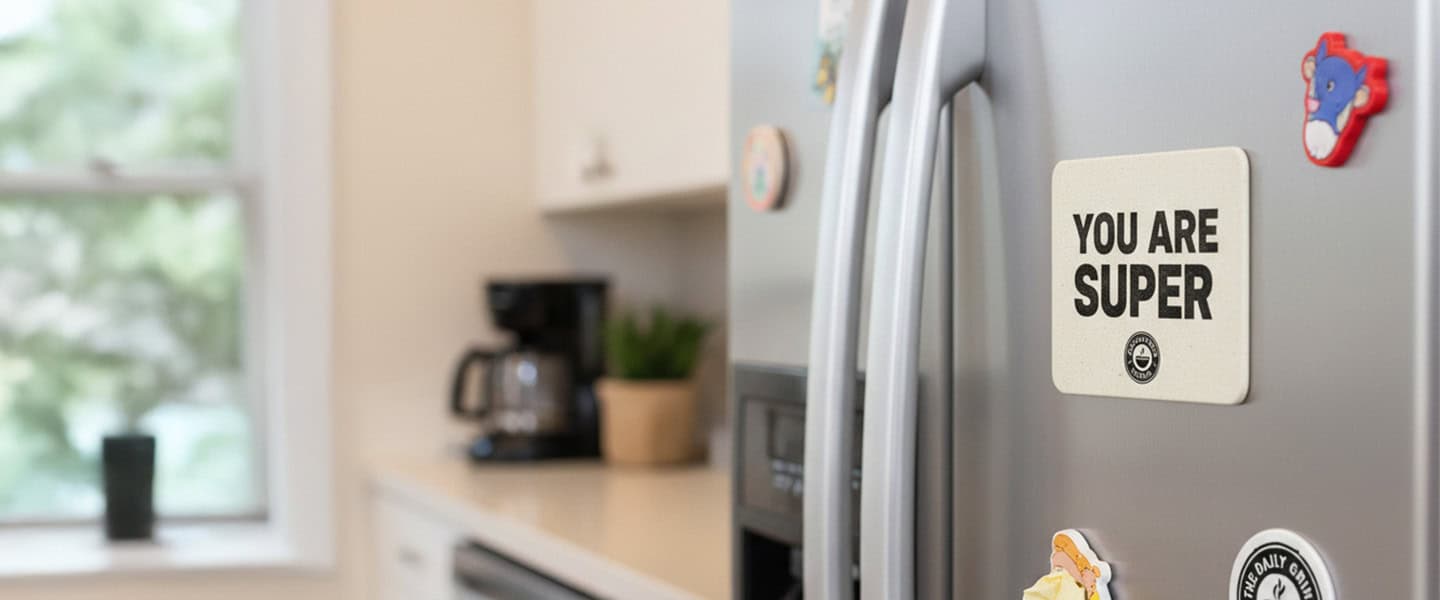
Magnets are a perfect example.
A fridge magnet isn’t just branding it becomes part of a daily routine. Grocery lists, reminders, schedules. Your brand becomes associated with usefulness, not interruption.
Product example:
2. Physical presence reinforces memory
Psychologists call this the mere exposure effect: the more often people see something, the more familiar, and trusted, it feels.
Print that stays visible benefits from this automatically.
A sticker on a laptop, notebook, or packaging doesn’t ask for attention. It simply exists in the customer’s environment. Over time, that repeated exposure strengthens brand recall without requiring effort.
Product example:
This is why stickers work so well as packaging inserts or small surprises — a tactic we’ve referenced before in How to Design Print Materials That Actually Get Read (Not Thrown Away).
3. Emotional connection outperforms information density
Customers don’t keep print because it explains everything. They keep it because it makes them feel something.
That emotion doesn’t have to be dramatic. Often, it’s subtle:
- Feeling appreciated
- Feeling included
- Feeling aligned with a brand’s personality
This is why minimal, thoughtful design tends to outperform cluttered, information-heavy print. White space, quality materials, and intentional messaging signal care and care is emotionally sticky.
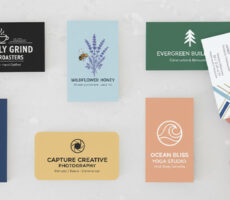
Premium business cards are a strong example. People keep them not because they list features, but because they feel different in hand.
Product example:
This connects directly to insights from Print Products That Make Your Brand Look Bigger Than It Is perceived quality shapes perceived credibility.
4. Surprise increases memory retention
Unexpected moments create stronger memory traces.
A small printed item included “just because”, not because it was promised, triggers surprise, which increases the likelihood of being remembered and kept.
This is why:
- Stickers added to orders
- Magnets handed out casually
- A premium card instead of a standard one
often outperform planned promotions.
Surprise doesn’t require extravagance. It requires intention.
5. Size and friction matter more than people think
Another overlooked psychological factor: effort to discard.
Large, awkward, or heavy print is easier to throw away. Small, flexible items often linger.
- A flyer requires a decision: keep or toss.
- A sticker can be set aside.
- A magnet finds a surface.
- A premium card fits a wallet or organizer.
Reducing friction increases survival.
This is why compact, well-designed print tends to outperform oversized formats when the goal is retention, not immediate conversion.
Why promotional products customers keep drive better long-term ROI
When customers keep something, your brand isn’t just remembered, it becomes familiar.
Familiarity builds:
- Trust
- Recognition
- Preference
And those factors influence future decisions far more than a single promotion.
This is also why retention-focused print aligns so well with long-term growth strategies. As we’ve explored in 5 Print Add-Ons That Boost Brand Loyalty (And Keep Customers Coming Back), small physical touchpoints compound over time.
Choosing the right print product for retention (not reach)
If your goal is to be remembered, not just seen, ask these questions before printing anything:
- Will this item still exist in a week?
- Does it serve a purpose or emotional role?
- Is it easy to keep?
- Does it reflect the quality of my brand?
If the answer is “no” to most of these, it’s probably disposable.
How small businesses can apply this psychology today
You don’t need a massive campaign to use these insights. Small shifts make a big difference:
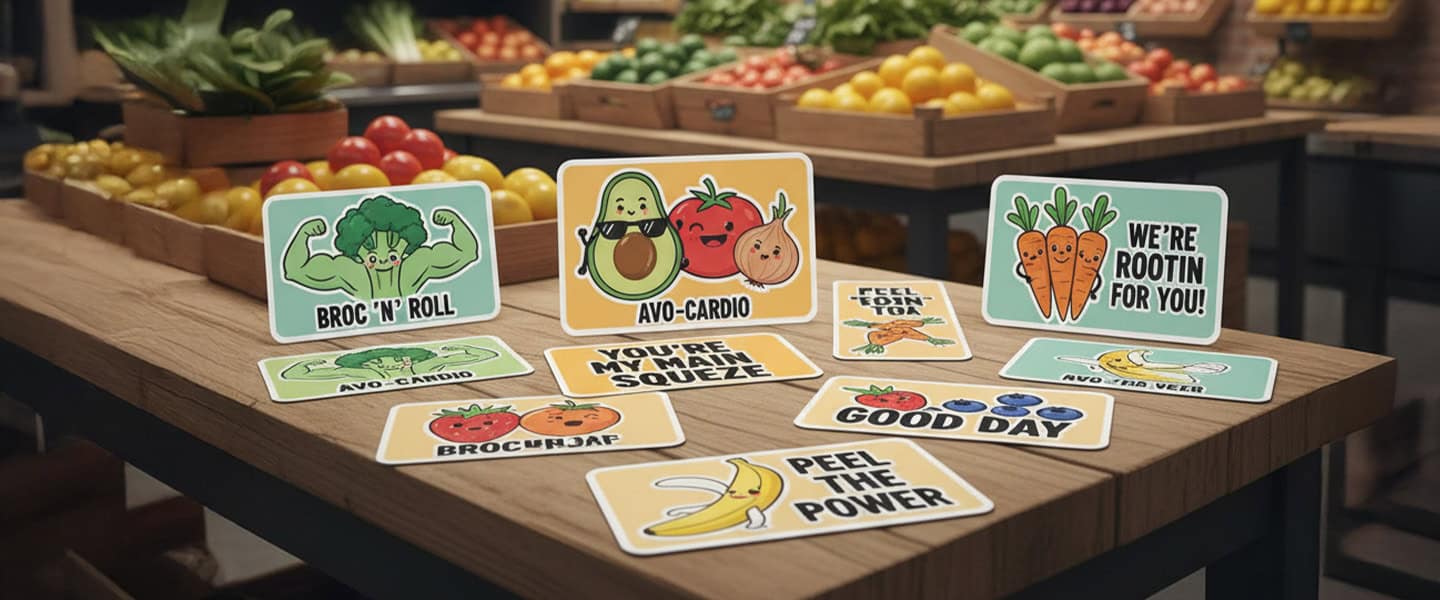
- Replace some flyers with stickers or magnets
- Upgrade standard cards to premium finishes
- Add a small, unexpected print insert to orders
- Focus on one high-quality piece instead of many disposable ones
These changes align print strategy with human behavior, not just marketing habits.
Print that stays creates brands that last
Digital marketing fights for attention. Print earns space.
When customers keep a printed item, they’re giving your brand a place in their environment and that’s one of the most valuable forms of marketing there is.
Understanding the psychology behind promotional products customers keep allows small businesses to move beyond exposure and toward meaningful, lasting presence.
Because the goal isn’t just to be noticed.
It’s to be remembered.