
Customers may not always understand paper weights, finishes, or printing terminology — but they instantly notice when something feels cheap. Print quality directly affects how trustworthy, professional, and established a business appears.
That’s why premium printing is not just about aesthetics. It’s about perception.
Today, businesses compete for attention constantly. A customer might forget an online ad in seconds, but physical print materials create a more lasting impression because people can see and touch them in real life. The problem is that low-quality printing often creates the wrong impression before businesses even realize it.
And once that perception exists, it’s difficult to undo.
Customers Judge Print Faster Than Businesses Expect
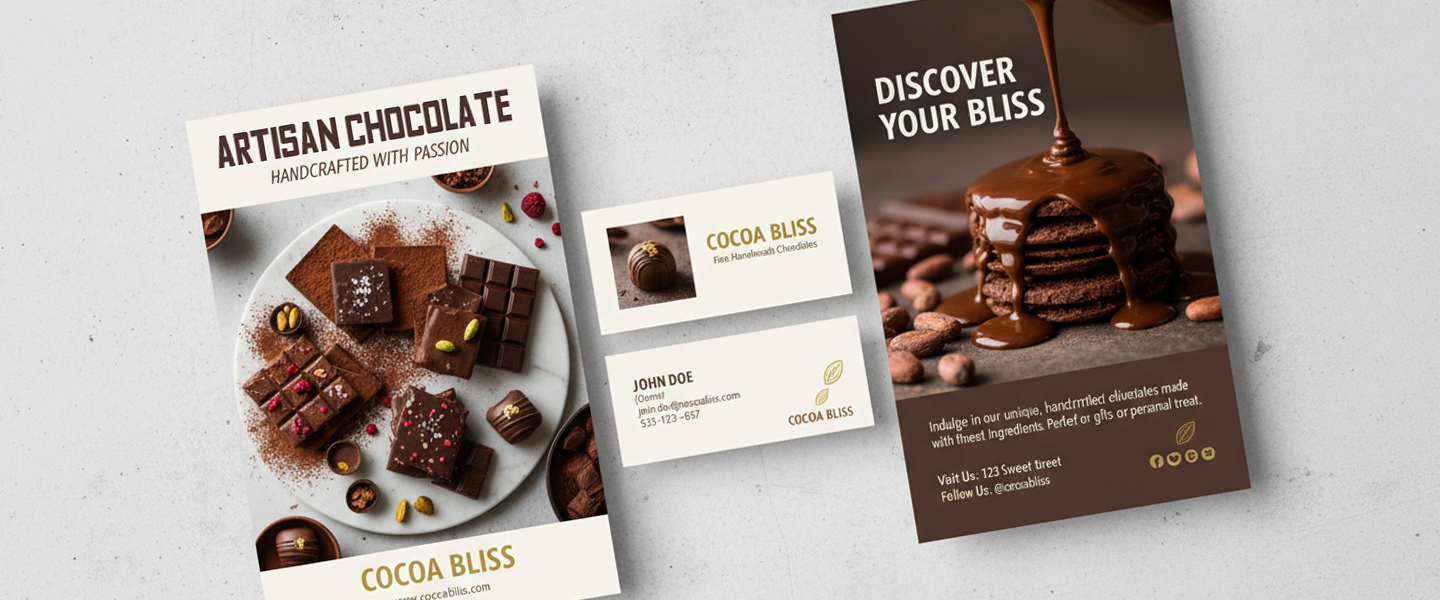
Most buying decisions are emotional before they become logical.
People notice details almost immediately:
- thin paper
- faded colors
- blurry printing
- weak cardstock
- uneven cuts
- generic finishes
Even if they never say it out loud.
A business card that feels flimsy can subconsciously make a company feel less reliable. A dull brochure can make a brand look outdated. A cheap-looking postcard can reduce the perceived value of the offer itself.
This happens because print quality influences how people interpret professionalism.
The same message presented on premium materials often feels more trustworthy than when printed cheaply.
Premium Printing Changes How Businesses Feel
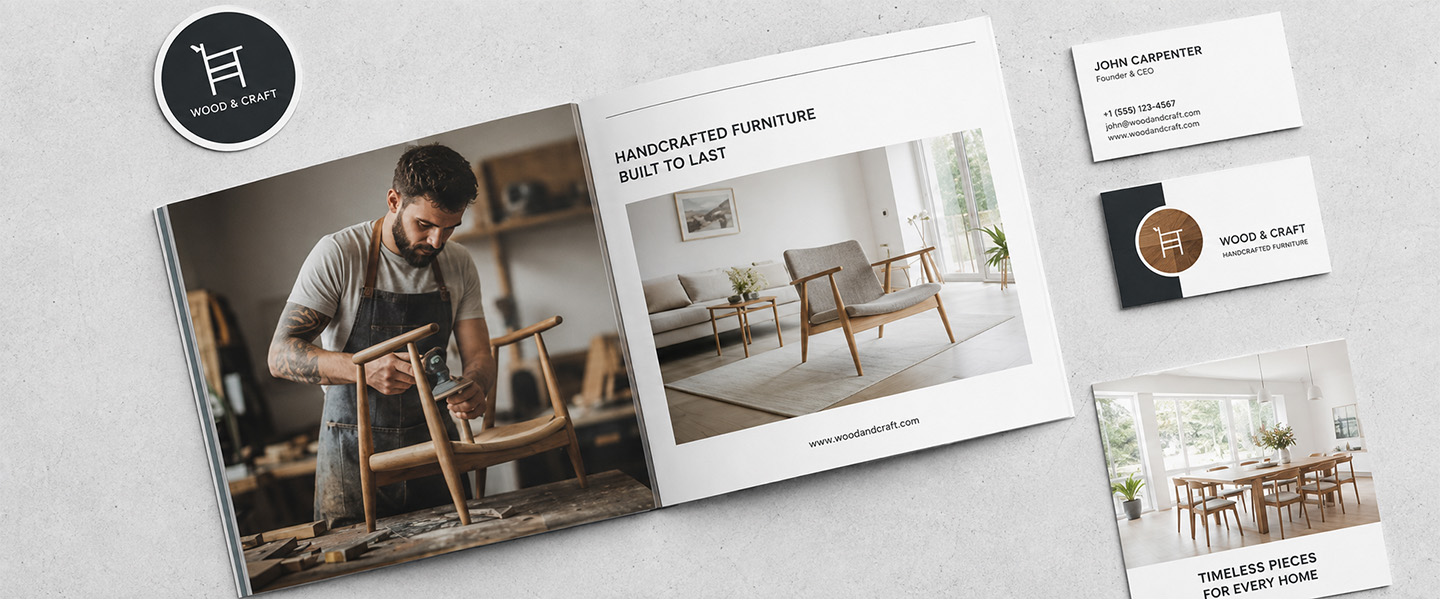
The biggest difference with premium printing is usually not the design itself.
It’s the experience.
A thicker business card feels intentional.
A soft-touch finish feels modern.
Sharper colors feel more professional.
Clean cuts and heavier stock make materials feel more valuable.
That emotional reaction matters more than many businesses think.
This is especially important for industries built around trust, such as:
- real estate
- finance
- consulting
- luxury services
- creative businesses
- legal services
When customers are comparing multiple companies offering similar services, presentation becomes part of the decision-making process.
That’s one reason many businesses now invest in:
- Premium Business Cards
- Ultra Thick Business Cards
- premium finishes with stronger texture and durability
The goal isn’t simply to look expensive.
The goal is to look credible.
Cheap Printing Usually Costs More in the Long Run
At first glance, cheaper printing feels like the smarter financial decision.
But businesses often underestimate the hidden costs of poor print quality.
If a flyer gets ignored because it looks generic, the marketing budget was already wasted.
If a business card gets thrown away immediately, the networking opportunity disappears.
If a brochure feels low quality, customers may assume the business cuts corners elsewhere too.
That’s why print quality directly impacts:
- response rates
- memorability
- customer trust
- brand perception
- conversion potential
In many cases, improving print quality slightly can create a much bigger impact than redesigning the entire campaign.
Most Premium Printing Is Actually About Simplicity
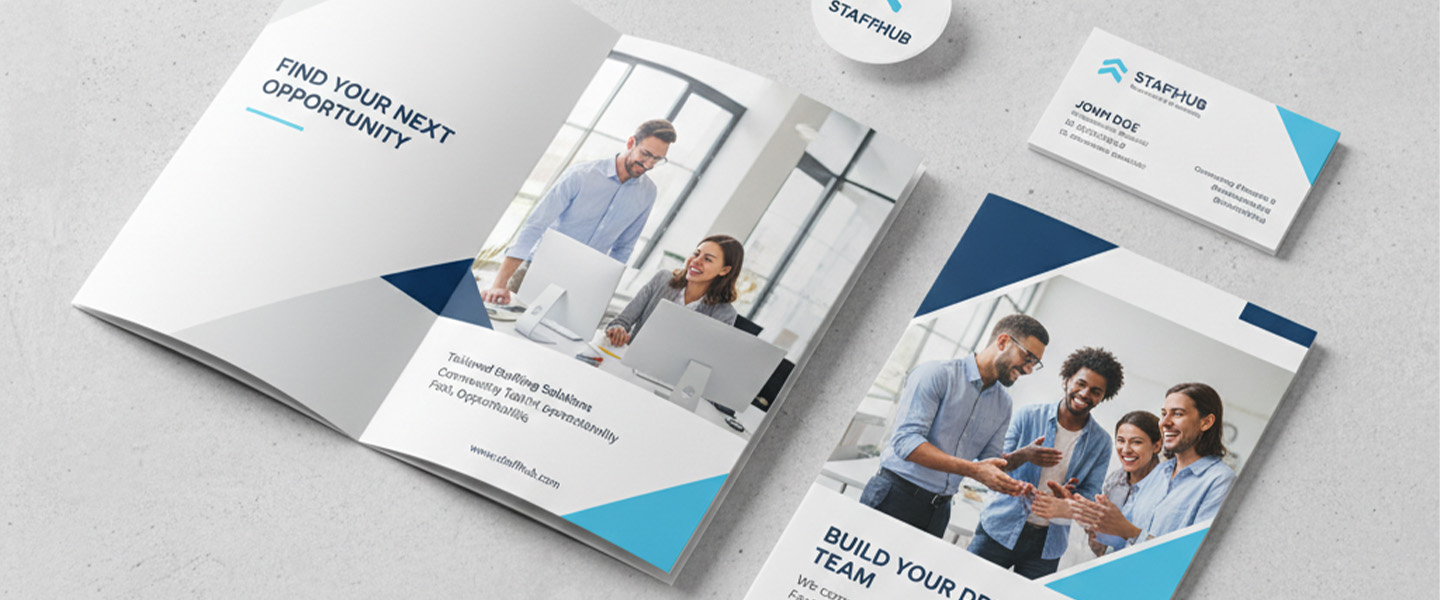
One misconception is that premium printing needs:
- flashy effects
- oversized logos
- complicated layouts
- expensive embellishments
In reality, the most premium-looking materials are usually the cleanest.
Minimal designs often feel more modern because they allow the paper quality, finish, and typography to stand out naturally.
This is why luxury brands tend to use:
- more white space
- fewer words
- cleaner layouts
- higher-quality materials
Premium doesn’t always mean “more.”
Very often, it means more intentional.
Print Quality Affects Brand Positioning
Businesses rarely think about printing as part of brand positioning — but customers absolutely do.
Imagine two companies offering the exact same service.
One hands over:
- a thin glossy card with crowded text
The other hands over:
- a thicker card with clean typography and a premium finish
Most people will naturally assume the second company is:
- more established
- more trustworthy
- more detail-oriented
Even if both businesses charge similar prices.
That’s why physical branding still matters so much in a digital-first world.
If you’re building a stronger visual identity, this guide on print products that make your brand look bigger than it is explains how businesses use premium print materials to improve perception without completely changing their branding.
Not Every Business Needs the Most Expensive Option
Premium printing does not automatically mean choosing the highest-priced product available.
The best choice depends on:
- your audience
- your industry
- your goals
- how the materials will be used
For example:
- event flyers may prioritize visibility and quantity
- luxury consultants may prioritize texture and finish
- restaurants may focus on color quality and durability
- real estate agents often benefit from thicker business cards and premium postcards
The key is matching print quality to the customer experience you want to create.
Final Thoughts
Customers notice print quality much faster than businesses expect.
They may not analyze paper stock or printing specifications directly, but they absolutely react to how materials feel, look, and present a brand overall.
Cheap printing often creates an impression of low value, while premium printing helps businesses appear more trustworthy, established, and memorable.
That doesn’t mean every business needs luxury finishes everywhere.
But it does mean print quality should be treated as part of the customer experience — not just another business expense.
Explore Premium Business Cards, thicker card stocks, and professional printing options at Overnight Prints to create materials customers actually remember.