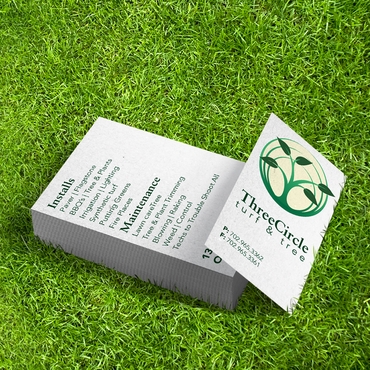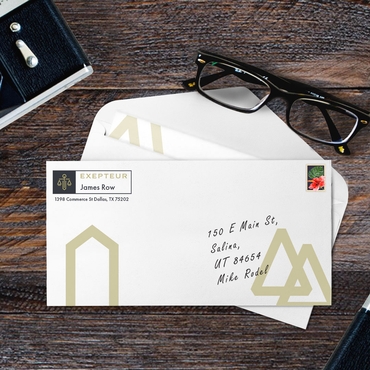
A business invitation does more than share an event date and location. It introduces the occasion, reflects your company’s identity, and gives guests an idea of what to expect before they arrive.
Whether you’re organizing a corporate dinner, product launch, networking event, grand opening, or company anniversary, the paper you choose can influence how your invitation looks and feels.
A smooth matte card might communicate understated professionalism, while a textured paper can create a more traditional or formal impression. Paper thickness, finish, and color also affect how clearly your design prints.
But with so many invitation paper types available, how do you know which one is right for your event?
This guide explains common invitation papers, cardstock weights, finishes, and design considerations to help you choose a professional-looking option that fits your event and budget.
Why Does Invitation Paper Matter?
The paper is one of the first physical details guests notice when they receive a printed invitation.
It affects several aspects of the final product:
- First impression: A substantial card can make an invitation feel more intentional.
- Readability: Paper finish and color influence how clearly text appears.
- Design presentation: Different surfaces affect the appearance of photographs, illustrations, and colors.
- Durability: Sturdier paper is less likely to bend during handling.
- Brand consistency: The right paper can complement your company’s visual identity.
- Budget: Paper selection can affect production and mailing costs.
The best choice isn’t necessarily the thickest or most expensive paper.
It’s the one that supports your event’s purpose and makes the invitation easy to read.
6 Common Invitation Paper Types
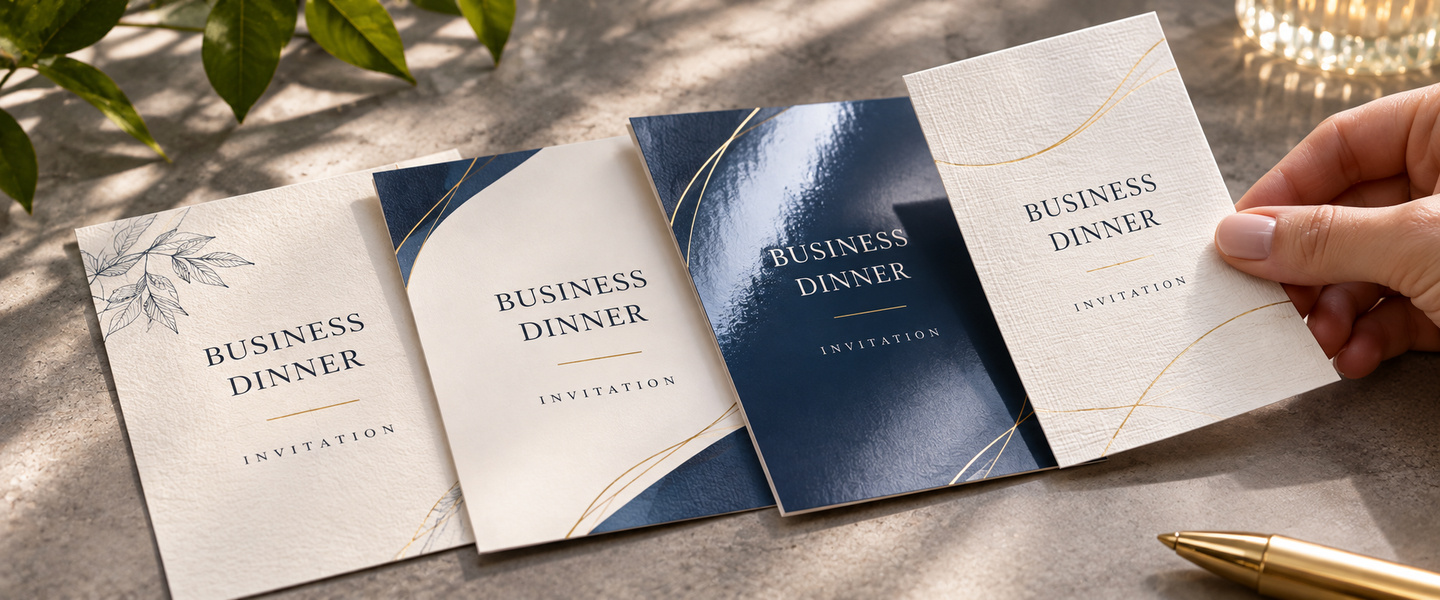
Before choosing a paper stock, it helps to understand the differences between the most common options.
Some terms describe the paper’s surface, while others describe its weight, texture, or composition. A single invitation can belong to several categories—for example, heavy, uncoated matte cardstock.
1. Uncoated Paper
Uncoated paper has no surface coating, giving it a natural, non-glossy appearance.
It generally feels more tactile than coated paper and can be a good choice for invitations with simple typography, illustrations, or understated branding.
Best for:
- Corporate dinners
- Professional networking events
- Company anniversaries
- Formal business correspondence
- Minimalist invitation designs
Uncoated paper is also a practical choice when recipients may need to write on the invitation.
For businesses looking for a clean and versatile option, this is often a strong starting point.
2. Matte Paper
Matte paper has a low-glare appearance that helps keep text readable under different lighting conditions.
It’s commonly associated with a refined, professional style.
Matte paper may be coated or uncoated, so the term alone doesn’t tell you everything about the stock.
Best for:
- Business conferences
- Executive dinners
- Product launch invitations
- Corporate celebrations
- Text-focused invitation designs
If your invitation features a formal headline, event details, and subtle brand colors, a matte surface can help create a balanced presentation.
3. Glossy Paper
Glossy paper has a reflective surface that can make photographs and colorful graphics appear more vibrant.
It’s often used for promotional materials where visual impact is a priority.
However, reflections can make small text more difficult to read under certain lighting conditions.
Best for:
- Image-heavy promotional invitations
- Entertainment events
- Colorful product launches
- Informal celebrations
Glossy paper can work well when the invitation’s main feature is a photograph or bold graphic.
For formal business invitations with detailed event information, a matte finish may be more practical.
4. Textured Paper
Textured paper has a distinctive surface that can be felt when touched.
Depending on the stock, the texture may resemble linen, felt, or another decorative finish.
It can add visual interest even when the invitation uses a simple design.
Best for:
- Executive events
- Awards ceremonies
- Formal dinners
- Luxury brand presentations
- Milestone celebrations
Keep in mind that highly textured surfaces can affect the appearance of fine details and small typography.
If your design includes intricate graphics, review a sample before ordering.
5. Heavy Cardstock
Cardstock is thicker and more rigid than standard office paper.
It’s a popular choice for invitations because it helps the finished piece maintain its shape during handling.
Cardstock is available in different weights and finishes, including matte, glossy, and uncoated varieties.
Best for:
- Corporate invitations
- Client appreciation events
- Product launches
- Company celebrations
- Formal announcements
A sturdy cardstock can make even a simple design feel more substantial.
For professional events, it’s often worth prioritizing a well-made card over unnecessary decorative elements.
6. Recycled and Specialty Paper
Recycled paper uses recovered fibers and is available in different colors, weights, and textures.
Specialty paper is a broader category that can include distinctive finishes, unusual textures, and premium constructions.
Best for:
- Sustainability-focused events
- Creative industry gatherings
- Boutique brand launches
- Special corporate celebrations
If sustainability is an important part of your event message, check the paper’s actual recycled content and environmental certifications rather than relying only on its appearance.
Specialty paper options vary by printer and may require additional production considerations.
Invitation Paper Types Compared
Here’s a quick comparison of common paper categories.
| Paper Type | Appearance | Main Advantage | Consideration |
| Uncoated | Natural, non-glossy | Writable and understated | Colors may appear softer |
| Matte | Smooth, low-glare | Readable and professional | Less reflective than gloss |
| Glossy | Shiny, reflective | Strong visual impact | Can create glare |
| Textured | Tactile, distinctive | Premium visual character | Fine details may reproduce differently |
| Heavy cardstock | Sturdy, substantial | Durability and presentation | Weight can affect mailing costs |
| Recycled | Varies by stock | Supports material preferences | Verify recycled content and print performance |
These are general printing-industry categories. Not every paper type is offered for every invitation product.
For a broader comparison of printing materials, read our guide to different types of printing paper.
What Paper Does Overnight Prints Use for Invitations?
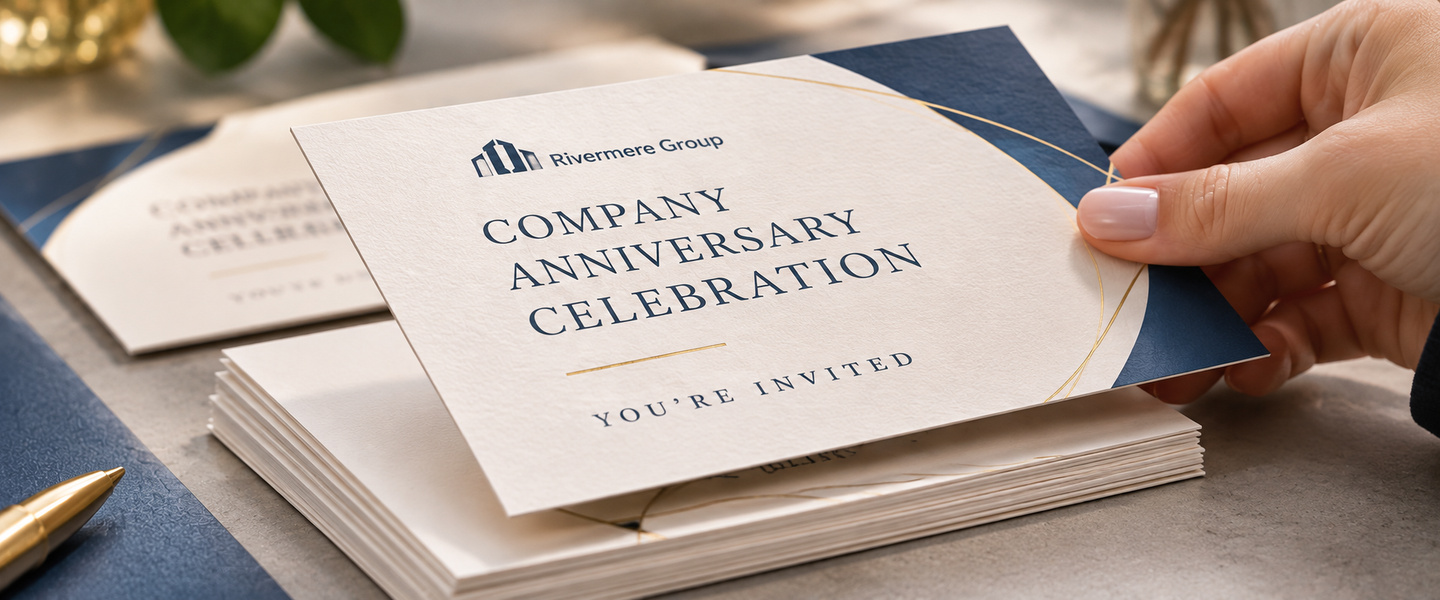
Overnight Prints prints its custom invitations on premium 110 lb uncoated matte cardstock.
This stock combines a substantial feel with a smooth, non-glossy surface, making it suitable for both professional and personal events.
Why Choose 110 lb Uncoated Matte Cardstock?
This paper works particularly well for business invitations because it offers:
- A professional, understated appearance
- A sturdy feel compared with everyday office paper
- A low-glare surface for readable event details
- A surface suitable for simple typography and colorful designs
- A consistent presentation across a coordinated invitation set
Overnight Prints lists invitation sizes including 4.25″ × 5.5″, 5.5″ × 8.5″, and 8.5″ × 11″, depending on the product configuration.
If you’re designing invitations for a corporate event, you can upload your own artwork or customize an available template.
Check the current product configuration for sizes, envelope options, and other order details before finalizing your design.
Understanding Invitation Paper Weight: GSM, lb, and pt
Paper weight can be confusing because printing companies use different measurement systems.
Three common terms are GSM, pounds (lb), and points (pt).
What Does GSM Mean?
GSM stands for grams per square meter.
It measures the mass of a square meter of paper.
For example, standard office paper is often around 75–90 GSM, while many cardstock products use higher weights.
A higher GSM generally indicates a heavier sheet, but it doesn’t always tell you exactly how thick or rigid the paper will feel.
What Does lb Mean?
In US printing, paper weight is often expressed in pounds.
However, the number depends on the paper category and the standard sheet size used to calculate the weight.
For example, 110 lb text paper and 110 lb cover paper aren’t equivalent.
When comparing invitation stocks, make sure you’re comparing the same paper category.
What Does pt Mean?
Points measure paper thickness rather than weight.
One point equals one-thousandth of an inch.
For example, 15 pt cardstock is approximately 0.015 inches thick.
A paper’s thickness and weight are related, but they’re not interchangeable measurements.
What Weight Is Best for Business Invitations?
For many professional invitations, cardstock provides a useful balance of sturdiness and presentation.
The ideal weight depends on the invitation’s dimensions, how it will be distributed, and the overall design.
Overnight Prints uses 110 lb uncoated matte cardstock for its invitations, so customers don’t need to compare multiple paper weights within that product.
Instead, focus on choosing the right size and designing artwork that complements the available stock.
Matte vs. Glossy Invitations: Which Looks More Professional?
Both matte and glossy finishes can look professional, but they create different impressions.
| Feature | Matte Invitations | Glossy Invitations |
| Surface | Low-glare | Reflective |
| Text readability | Often easier under varied lighting | Can be affected by reflections |
| Photography | Subtle presentation | More visually vivid |
| Style | Understated and refined | Bold and promotional |
| Writing on surface | Depends on coating; uncoated matte is often easier | Generally less convenient |
| Common use | Formal invitations and stationery | Image-heavy promotional materials |
For a formal corporate dinner or executive event, matte cardstock is often a natural choice.
For a colorful promotional event, glossy stock may be worth considering if your printing provider offers it.
Overnight Prints’ invitation product uses uncoated matte cardstock, so glossy invitation stock should not be assumed to be an available option.
If you’re considering a different printed format for a photo-heavy promotion, explore custom postcards and review their available finishes separately.
How to Choose Invitation Paper for Different Business Events
The best invitation paper depends on the occasion and the impression you want to create.
Corporate Dinners and Executive Events
Recommended style: Heavy matte or uncoated cardstock
Formal business invitations often benefit from restrained colors, elegant typography, and a clean layout.
A navy-and-cream design on matte cardstock can feel professional without requiring elaborate finishes.
Include the event date, time, location, RSVP instructions, and any relevant dress code.
Product Launches
Recommended style: Sturdy cardstock with a design suited to the product
For a product launch, the invitation should reflect the brand and the product being introduced.
A technology company might use minimal typography and geometric graphics, while a lifestyle brand could feature product photography.
Choose a paper surface that supports your visual direction.
If you’re using matte stock, focus on strong color contrast and high-quality artwork.
Networking Events
Recommended style: Smooth matte cardstock
Networking invitations should communicate essential information quickly.
Use a clear headline, short event description, and prominent RSVP instructions.
Avoid overcrowding the design with speaker biographies or lengthy agendas.
For additional networking materials, consider coordinating the invitation with custom business cards.
Grand Openings
Recommended style: Sturdy cardstock with bold, readable branding
Grand opening invitations should feel welcoming and easy to understand.
Use your business colors, a clear event date, and a concise description of what guests can expect.
If you’re inviting local customers, pair the invitations with custom flyers or posters to promote the event through other channels.
Company Anniversaries and Awards Ceremonies
Recommended style: Premium matte or textured cardstock
Milestone events often call for a more formal design.
Consider using elegant typography, a restrained color palette, and a prominent anniversary number or event title.
If you’re using a specialty paper, confirm that the printer supports it before finalizing your artwork.
Customer Appreciation Events
Recommended style: Uncoated matte cardstock
Customer appreciation invitations can feel warm and personal while remaining professional.
Use friendly wording, simple branding, and a clear invitation to attend.
For a coordinated follow-up, consider sending custom thank-you cards after the event.
How Paper Color Affects Invitation Design
Paper color is another important part of the final presentation.
White cardstock is versatile because it provides a neutral background for logos, photographs, and typography.
Cream and warm-white papers can create a softer appearance, particularly for formal invitations.
Darker specialty papers may look distinctive, but they often require particular printing methods or ink considerations.
Before choosing colored paper, check what your printer offers.
If your product is printed on white stock, you can often incorporate your preferred background color into the artwork, although printed color isn’t identical to using paper manufactured in that color.
Choose Strong Color Contrast
Regardless of the paper, the invitation’s text needs to remain readable.
Dark text on a light background is a dependable approach.
If you’re using a colored background, make sure the event details stand out clearly.
Avoid placing small text over busy photographs or decorative patterns.
How to Match Invitation Paper With Envelopes
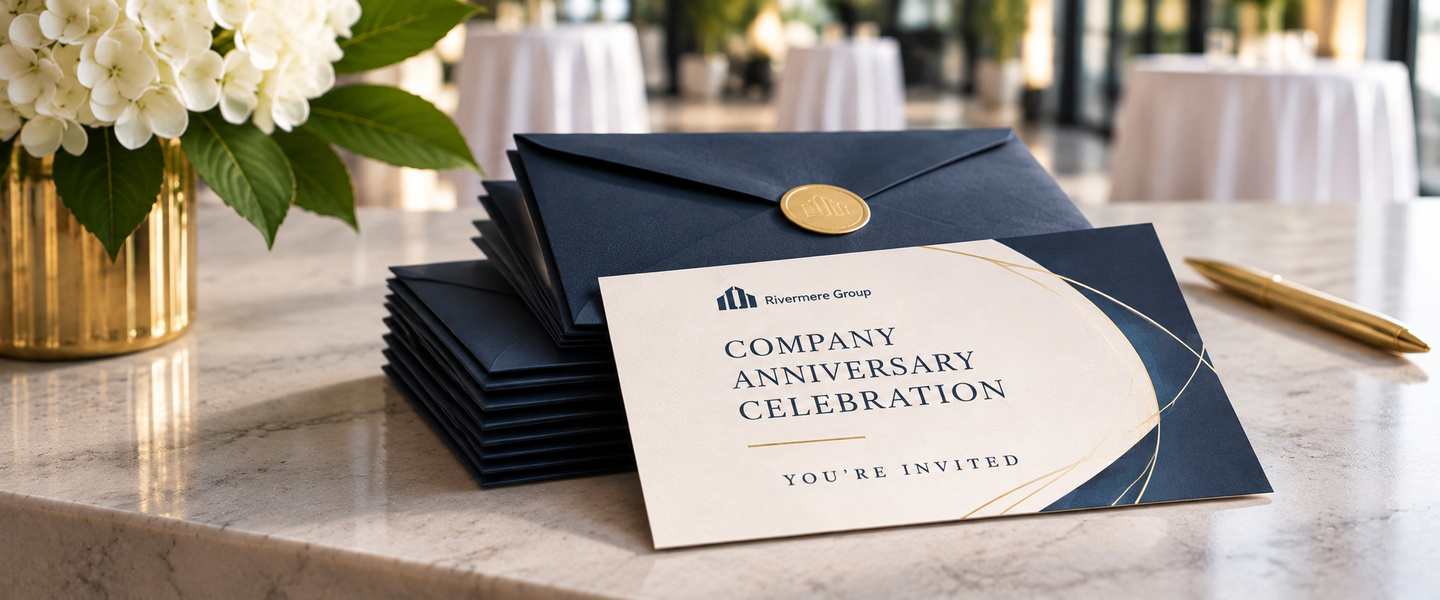
The envelope is part of the invitation’s overall presentation.
A well-designed invitation can feel less polished if it’s paired with an envelope that doesn’t fit properly.
When selecting envelopes, consider:
- Size: The invitation should fit comfortably without bending.
- Color: Choose a shade that complements the card.
- Paper feel: A consistent or complementary finish creates a coordinated appearance.
- Mailing requirements: Check postage, dimensions, and weight before distribution.
- Branding: Keep the envelope design consistent with your invitation.
For business invitations, a simple envelope with a clearly printed return address can look professional without requiring additional decoration.
You can also explore custom envelopes to coordinate your mailing materials.
How to Prepare Your Business Invitation Design for Printing
Once you’ve chosen your paper, make sure your artwork is prepared correctly.
Even premium cardstock can’t compensate for low-resolution images, incorrect dimensions, or unreadable text.
Use the Correct Invitation Size
Start with the exact dimensions of the invitation you plan to order.
Don’t assume that every size uses the same bleed and safe-zone requirements.
Use the printing provider’s product template when available.
Understand Bleed and Safe Zones
Bleed is the extra artwork extending beyond the finished trim edge.
If your design includes a full-background color or photograph, extend it into the required bleed area.
Keep important text, logos, and RSVP information inside the safe zone.
Use High-Resolution Images
For printed invitations, 300 dpi at the final size is a common recommendation for raster artwork.
Use vector graphics for logos and icons whenever possible.
Review Your Colors
CMYK is commonly recommended for professional printing.
Screen colors may differ from printed colors, especially when changing from a bright display to an uncoated paper surface.
Review your artwork carefully and follow the printer’s specifications.
Proofread Every Event Detail
Before submitting your invitation, verify:
- Event name and purpose
- Date and start time
- Venue name and address
- RSVP deadline and contact details
- Dress code, if applicable
- Website or QR code
- Business name and logo
- Spelling and punctuation
For more information about preparing artwork, read our How to Prepare Files for Printing guide.
Common Mistakes When Choosing Invitation Paper
Choosing Paper Based Only on Thickness
Thicker paper isn’t automatically better.
Consider readability, event formality, design style, and budget alongside paper weight.
Confusing Matte With Uncoated
Not all matte papers are uncoated.
A matte coating and an uncoated surface can produce different results, especially for writing and color reproduction.
Ignoring the Invitation Design
Detailed photography, fine typography, and large background colors may behave differently on different paper surfaces.
Choose the paper and design together rather than treating them as separate decisions.
Forgetting Mailing Costs
Heavier invitations and additional inserts can affect postage.
Consider the complete mailing package, including envelopes and any accompanying cards.
Assuming Every Finish Is Available
A printer may offer glossy finishes for postcards but not for invitations.
Check the actual product configuration before designing around a particular stock, coating, or specialty finish.
Skipping the Final Proof
Always review the final digital proof for spelling, layout, margins, and event information.
If possible, evaluate a physical paper sample when the choice of stock is especially important.
Frequently Asked Questions About Invitation Paper Types
What is the best paper for business invitations?
Heavy matte or uncoated cardstock is a versatile choice for many business invitations. It provides a professional appearance, a substantial feel, and good readability.
What paper does Overnight Prints use for invitations?
Overnight Prints uses premium 110 lb uncoated matte cardstock for its custom invitations.
Is 110 lb paper good for invitations?
Yes. When referring to a suitable cardstock stock, 110 lb paper can provide a substantial feel appropriate for professional invitations. Always confirm the paper category because pound ratings aren’t directly comparable across all paper types.
Is matte or glossy paper better for invitations?
Matte paper is often preferable for formal, text-focused invitations because it has less glare. Glossy paper can work well for colorful, image-heavy designs. The best option depends on the event and the printer’s available finishes.
What’s the difference between cardstock and regular paper?
Cardstock is generally thicker and more rigid than everyday office paper. This makes it suitable for invitations, greeting cards, and other printed materials that benefit from a sturdier feel.
Can you write on uncoated invitation paper?
Uncoated paper is generally easier to write on than heavily coated paper. However, writing performance depends on the specific stock and pen, so test the surface when handwriting is important.
Does invitation paper affect printing colors?
Yes. Paper color, coating, texture, and absorbency can influence how printed colors appear. Uncoated paper may produce a softer visual result than glossy coated stock.
Should business invitations match the company’s branding?
Yes. Using consistent colors, typography, and logos helps the invitation feel connected to your business and the event’s purpose.
Do business invitations need envelopes?
Not every invitation format requires an envelope, but envelopes are useful for formal mailed invitations. Confirm the correct size and current envelope options when ordering.
Choose Invitation Paper That Fits Your Event
The right invitation paper helps set the tone before guests arrive.
For business events, consider the formality of the occasion, your brand’s visual identity, the amount of information in your design, and how the invitations will be distributed.
Uncoated matte cardstock is a versatile option for professional invitations, while glossy and specialty papers can serve different design goals when available.
Most importantly, choose a stock that supports your message rather than competing with it.
Ready to create invitations for your next business event? Explore custom invitation printing at Overnight Prints and design professional invitations on premium 110 lb uncoated matte cardstock.