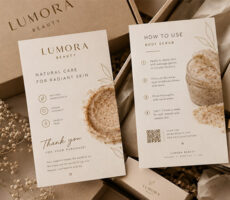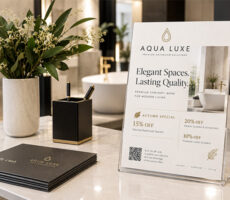
Postcards are one of the simplest ways to put a marketing message directly into someone’s hands.
There is no envelope to open, and both sides of the piece can be used strategically for branding, offers, photography, contact information, and calls to action.
But choosing a postcard involves more than deciding how much design space you want.
Size matters for mailing too.
The dimensions, thickness, shape, and mailing method can influence how a postcard is processed and which postal category applies.
This is where businesses sometimes get confused.
A printing company may call a 5″ × 7″ or 6″ × 9″ product a postcard because that describes the print format.
However, that does not automatically mean the piece qualifies for the specific USPS First-Class Mail postcard price.
Larger postcards can still be mailed. They may simply fall under a different postal classification or pricing structure.
That distinction becomes particularly important when you’re sending hundreds or thousands of pieces.
This guide explains common postcard dimensions, USPS mailing considerations, how to design the mailing side, and what to check before sending your next direct mail campaign.
What Is the Standard Postcard Size?
4″ × 6″ is one of the most common standard postcard sizes, but postcards are available in several dimensions depending on their purpose. Common sizes include 4″ × 6″, 4.25″ × 5.5″, 5″ × 7″, 5.5″ × 8.5″, 6″ × 9″, and 6″ × 11″.
For USPS First-Class Mail postcard pricing, size requirements are more specific. A qualifying postcard must measure at least 3.5″ high × 5″ long and no more than 4.25″ high × 6″ long, along with applicable thickness and shape requirements.
Key Takeaways
- Postcard dimensions can affect how a mailpiece is classified and how much postage may be required.
- A printed piece can look like a postcard without necessarily qualifying for the USPS First-Class Mail postcard price.
- Smaller postcards work well for concise reminders and promotions, while larger formats provide more room for photography, offers, and detailed marketing messages.
- Size is not the only mailing consideration. Thickness, shape, aspect ratio, mailing class, and preparation can also affect postal processing.
- The mailing side needs enough clear space for the recipient address, postage or indicia, and any required postal processing areas.
- Businesses planning large direct mail campaigns should verify current postal requirements before printing.
- Overnight Prints offers multiple postcard and mailing formats, including compact postcards and larger direct mail pieces.
What Are Standard Postcard Sizes for Mailing?
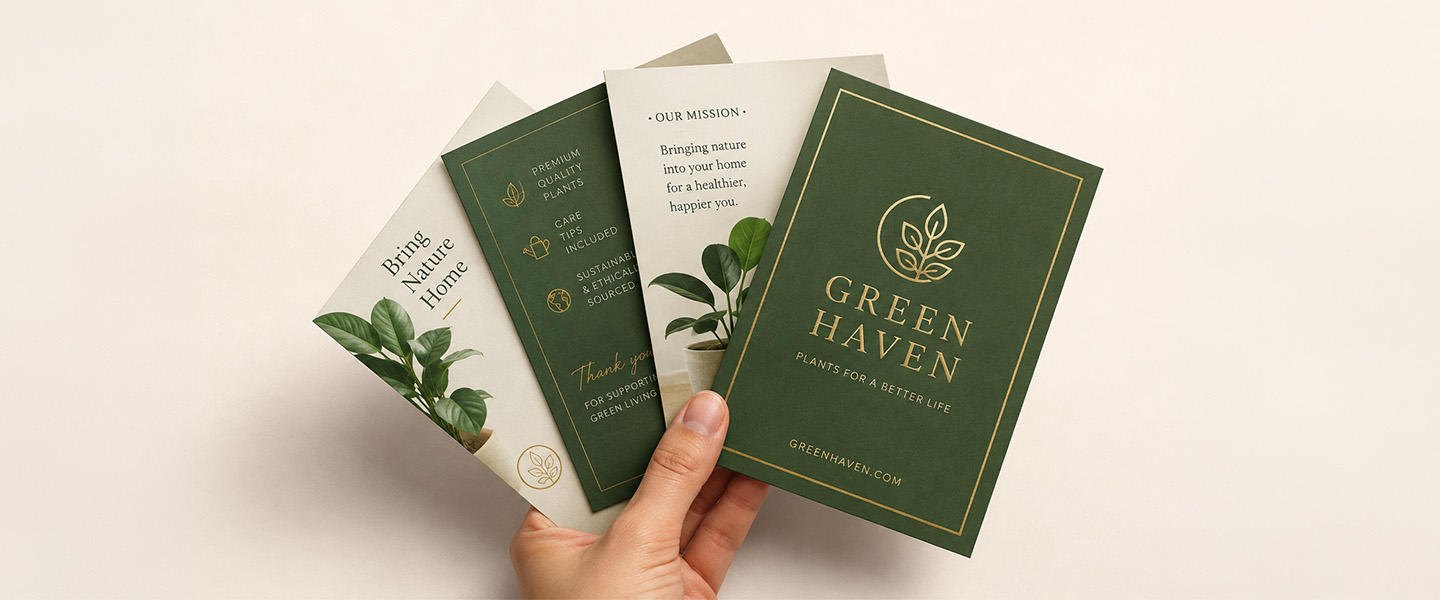
There is no single postcard size used for every marketing campaign.
Common printed postcard dimensions range from compact 4″ × 6″ cards to much larger direct mail formats.
Overnight Prints Postcards are available in several popular sizes, including:
| Postcard Size | Design Space | Common Uses |
| 4″ × 6″ | Compact | Reminders, announcements and simple promotions |
| 4.25″ × 5.5″ | Compact | Invitations, announcements and concise marketing |
| 5″ × 7″ | Medium | Invitations, promotions and image-focused designs |
| 5.5″ × 8.5″ | Larger | Direct mail marketing and promotional offers |
| 6″ × 9″ | Large | Bold promotions and image-heavy campaigns |
| 6″ × 11″ | Jumbo | High-visibility direct mail campaigns |
Overnight Prints also lists an 8.5″ × 11″ postcard printing format for detailed promotional layouts, although mailing options and postal requirements should be checked separately when using larger formats.
Smaller Postcards
Compact postcards force the message to stay focused.
They can work particularly well for:
- appointment reminders,
- save-the-dates,
- coupons,
- event reminders,
- short announcements,
- thank-you messages,
- and simple promotional offers.
With less physical space, every element needs to earn its place.
Larger Postcards
Larger postcards provide more room for:
- photography,
- product images,
- property listings,
- multiple benefits,
- offer details,
- maps,
- testimonials,
- QR codes,
- and more prominent calls to action.
They can be especially useful when visibility is more important than keeping the piece as compact as possible.
However, additional design space can come with different postal considerations.
What Does “Standard Postcard Size” Actually Mean?
This phrase can mean two different things.
In printing, standard postcard size often refers to commonly ordered formats such as 4″ × 6″, 5″ × 7″, or similar dimensions.
In postal terminology, USPS applies specific dimensional requirements to mailpieces that qualify for the First-Class Mail postcard price.
Those definitions should not be treated as interchangeable.
A 5″ × 7″ piece can absolutely be printed and mailed as a postcard-style marketing piece, for example, while not qualifying for the same postal pricing category as a qualifying 4″ × 6″ postcard.
That distinction should be considered before choosing your size.
What Mailing Requirements Affect Postcard Size?
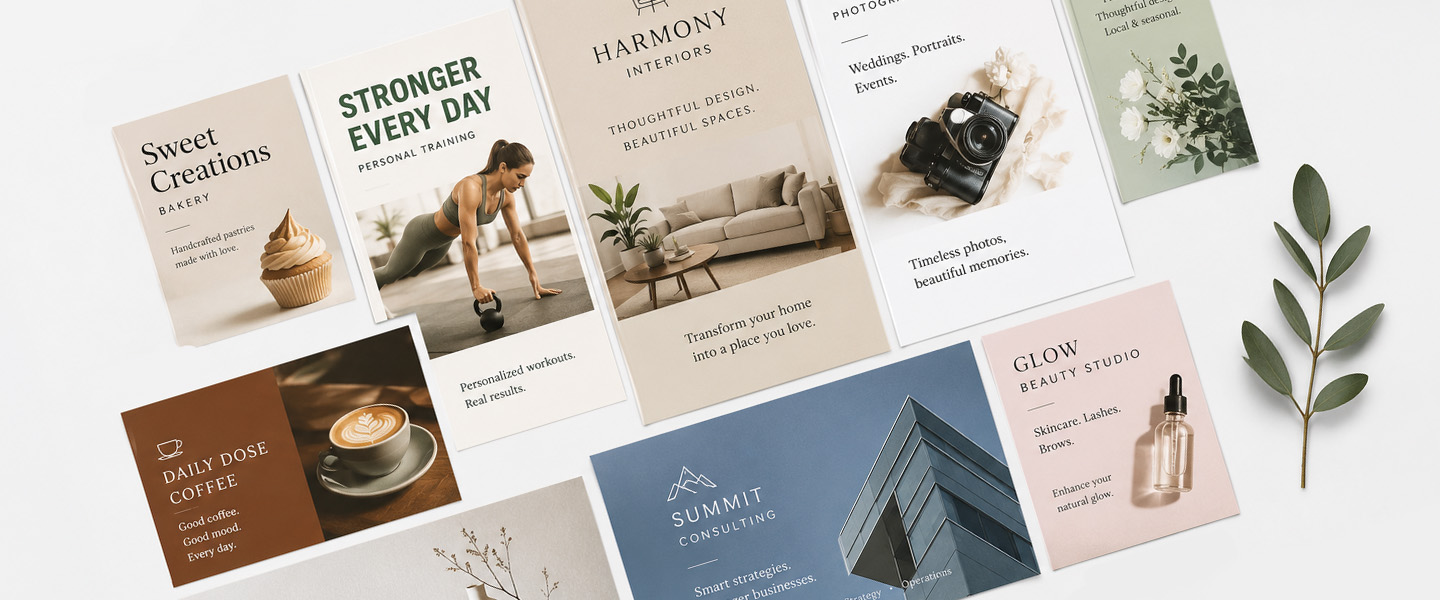
Postal services evaluate more than the artwork.
Several physical characteristics can determine how a mailpiece is processed.
Length and Height
USPS defines length and height based on the orientation of the address.
The length is the dimension parallel to the address.
The height is perpendicular to that dimension.
For a mailpiece to qualify for the USPS First-Class Mail postcard price, current USPS guidance says it must be at least:
3.5 inches high × 5 inches long
and no more than:
4.25 inches high × 6 inches long.
Those limits apply specifically to the First-Class Mail postcard-price category.
A larger piece may still be mailable but may be treated differently for postage.
Thickness
Thickness is another important factor.
A postcard needs enough rigidity to travel through postal processing equipment without creating problems.
Current USPS requirements for the First-Class Mail postcard-price category specify a thickness of at least 0.007 inch and no more than 0.016 inch.
Do not assume any piece of paper automatically qualifies simply because its length and height are correct.
The material itself matters.
Shape
For the USPS postcard-price category, the mailpiece must be rectangular.
Unusual shapes can create different mailing requirements and may affect machinability or eligibility.
That is why creative die cuts or unconventional shapes should be evaluated from a postal perspective before printing a large quantity.
Aspect Ratio
Aspect ratio describes the relationship between the length and height of a mailpiece.
USPS automation requirements can take this relationship into account because mail processing equipment is designed to handle pieces within specific dimensional ranges.
If you’re preparing a commercial mailing, do not resize your postcard based only on aesthetics.
Verify that the finished dimensions, orientation, and layout work with the mailing method you plan to use.
How USPS Classifies Postcards for Mailing
One of the most important things to understand is that “postcard” can mean one thing to a printer and another thing for postal pricing.
USPS separates mail into different size categories, including:
- postcards,
- letters,
- flats,
- and parcels.
Different categories can have different preparation standards and postage prices.
USPS First-Class Mail Postcard Dimensions
According to current USPS Postal Explorer guidance, a mailpiece qualifying for the First-Class Mail postcard price must be:
- rectangular,
- at least 3.5″ high × 5″ long × 0.007″ thick,
- and no more than 4.25″ high × 6″ long × 0.016″ thick.
That means a common 4″ × 6″ postcard can fall within the dimensional range.
A 5″ × 7″ postcard, however, exceeds the maximum height and length for that specific postcard-price category.
That does not mean a 5″ × 7″ piece cannot be mailed.
It means it may be classified and priced differently.
Mailable Does Not Always Mean “Postcard Rate”
This distinction is worth remembering:
Printed as a postcard ≠ automatically eligible for USPS postcard pricing.
For example, larger postcard-style mailpieces may qualify as letters depending on their dimensions, thickness, shape, mailing class, and preparation.
USPS also notes that Marketing Mail does not have the same separate lower postcard price structure as single-piece First-Class Mail postcards.
Because postal standards and prices can change, check current official guidance before committing to a large campaign.
For current requirements, use the USPS Postal Explorer postcard size guidance.
Standard vs. Oversized Postcards: What’s the Difference?
From a marketing perspective, postcard size changes both the physical impact of the piece and the amount of information you can include.
Standard Postcards
Compact formats such as 4″ × 6″ are useful when the campaign has one simple message.
Think:
20% Off This Weekend
Grand Opening – August 15
Schedule Your Annual Service
Join Us for Our Open House
The limited space encourages concise communication.
Smaller postcards can work well for:
- reminders,
- coupons,
- simple offers,
- announcements,
- and short calls to action.
Certain smaller dimensions may also fall within the USPS requirements for the First-Class Mail postcard price when all applicable specifications are met.
Larger Postcards
Larger formats provide considerably more room.
A 5.5″ × 8.5″ or 6″ × 9″ piece can accommodate:
- a stronger hero image,
- larger typography,
- more detailed offers,
- multiple benefits,
- property photography,
- testimonials,
- QR codes,
- and more supporting information.
That can be valuable when the campaign needs more explanation or visual impact.
The tradeoff is that larger formats can fall into different postal classifications.
Does a Larger Postcard Cost More to Mail?
Potentially, but size alone does not determine the final mailing cost.
Postage can also depend on:
- mailing class,
- mailing volume,
- dimensions,
- thickness,
- shape,
- weight,
- machinability,
- preparation,
- and whether you’re using retail or commercial mailing options.
Instead of assuming that a larger postcard will cost a specific amount more, calculate postage based on the actual campaign.
This is especially important for high-volume mailings, where a small per-piece difference can significantly affect the total budget.
How to Choose the Right Postcard Size for Direct Mail
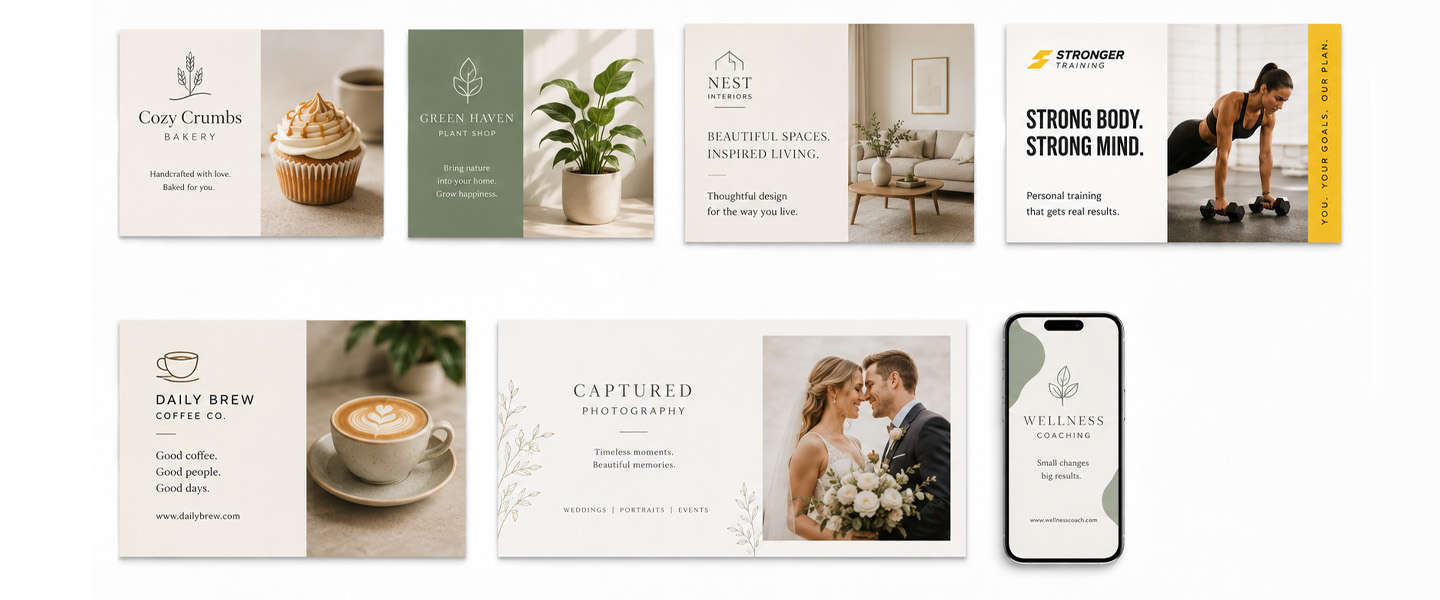
The best postcard size balances two things:
marketing effectiveness and mailing practicality.
Start with these questions.
Consider Your Message
How much does the recipient genuinely need to know?
A simple appointment reminder might only require:
- a headline,
- date,
- phone number,
- and CTA.
A detailed home-services promotion may need:
- an offer,
- service information,
- benefits,
- images,
- terms,
- and contact information.
Do not choose a larger postcard simply because it gives you room to add more text.
Choose it because the additional space improves communication.
Consider Your Visuals
Image-heavy campaigns may benefit from a larger format.
This can be particularly relevant for:
- real estate,
- restaurants,
- travel,
- home improvement,
- photography,
- automotive businesses,
- and product marketing.
If the image is doing much of the selling, give it enough room to work.
Consider Your Call to Action
No matter how large the postcard is, the next step should be obvious.
Examples include:
Book Today
Visit Our Website
Scan to Learn More
Bring This Card In
Schedule a Consultation
Use Code SAVE20
Increasing the size without improving the visibility of the CTA wastes the additional space.
Consider Your Mailing Budget
Before choosing a larger format, determine whether the dimensions affect your planned postal classification.
Compare the potential marketing benefit with the total campaign cost.
For 5,000 postcards, for example, even a modest difference in per-piece mailing costs can become meaningful.
Consider Your Mailing Volume
The larger the mailing, the more important preparation becomes.
A campaign sent to 50 existing customers is very different from one sent to 50,000 households.
Large-volume campaigns may require more attention to:
- list quality,
- postal preparation,
- mailing class,
- address formatting,
- presorting,
- production schedules,
- and total postage.
Plan those details before printing—not after the postcards arrive.
Postcard Sizes by Marketing Goal
Different campaign goals call for different amounts of space.
| Marketing Goal | Size Consideration | Why |
| Appointment Reminder | Compact | Keeps the message focused |
| Sale or Promotion | Compact to medium | Provides room for an offer and CTA |
| Real Estate Marketing | Medium to large | Gives photography more visual impact |
| Event Invitation | Depends on content | Balances event details with visual design |
| Product Promotion | Medium to large | Provides space for images and benefits |
| Restaurant Promotion | Medium | Allows room for food photography and an offer |
| Service Promotion | Standard to medium | Supports benefits, offer and contact information |
| Direct Mail Campaign | Mailing requirements first | Helps balance visibility with postal costs |
If your main question is which dimensions work best from a design and marketing perspective, rather than postal requirements, see our guide to What Size Should a Postcard Be? for a deeper size-by-use-case comparison.
How to Design the Mailing Side of a Postcard
The back of a direct mail postcard is still marketing space.
But it is not only marketing space.
Part of that area needs to support postal processing.
Recipient Address
The recipient address should be easy to identify and read.
Avoid placing it over:
- photographs,
- complicated patterns,
- textured backgrounds,
- low-contrast colors,
- or other text.
The address is functional information.
Design around it rather than forcing it into leftover space.
Postage
Account for how postage will be applied.
Depending on your mailing method, this might involve:
- a stamp,
- printed postage,
- or mailing indicia.
Do not simply add a decorative stamp box to your design without checking the requirements of the mailing service you plan to use.
If you are using Overnight Prints Mailing Services, use the provided postcard templates and postal guidelines rather than creating your own postage area.
Return Address
A return address may be appropriate depending on your mailing method and campaign.
If you include one, keep its placement visually distinct from the recipient address.
You do not want the design to make it unclear which address is the destination.
Postal Clear Zones
Commercial mail designs may require specific areas to remain clear for barcodes, addressing, or postal processing.
Overnight Prints specifically advises customers using its Mailing Services to keep designated postal areas free of color, text, and watermarks.
The easiest way to avoid problems is to start with the correct mailing template rather than adapting a design that was originally created without postal requirements in mind.
Marketing Content
You can still use the mailing side strategically.
Depending on the available space, consider including:
- a secondary headline,
- brief benefits,
- an offer,
- contact information,
- a QR code,
- expiration details,
- or a CTA.
Just make sure those elements do not interfere with required mailing information.
Think of the postcard as having two jobs:
deliver the mail correctly and deliver the marketing message clearly.
Both matter.
How to Prepare Postcards for a Direct Mail Campaign
Before sending your postcards, work through this checklist.
1. Define the Campaign Goal
Decide exactly what the postcard should accomplish.
Are you trying to:
- generate appointments,
- promote a sale,
- announce an event,
- increase website visits,
- attract local customers,
- or reactivate previous customers?
One primary goal makes the rest of the decisions easier.
2. Choose Your Target Audience
Determine who should receive the campaign.
The right design sent to the wrong audience will still underperform.
3. Select the Postcard Size
Choose a size based on:
- message length,
- imagery,
- visibility,
- mailing requirements,
- and budget.
4. Determine Your Mailing Method
Decide how the postcards will actually reach recipients.
Will you:
- stamp and mail them yourself,
- prepare a commercial mailing,
- or use a mailing service?
That decision can influence how the postcard should be designed.
5. Verify Current Postal Requirements
Before finalizing artwork, check the latest postal requirements for your selected:
- size,
- thickness,
- shape,
- orientation,
- and mailing method.
Do not rely on postal specifications from an old campaign.
6. Prepare and Clean Your Mailing List
Check for:
- duplicates,
- incomplete addresses,
- obvious errors,
- outdated contacts,
- and unnecessary records.
A cleaner mailing list helps reduce wasted pieces.
7. Design Around Mailing Requirements
Start with the correct print and mailing template.
Reserve required areas before designing the promotional content.
8. Proofread Everything
Check:
- recipient information,
- offer details,
- dates,
- phone numbers,
- URLs,
- QR codes,
- promo codes,
- expiration dates,
- and legal disclaimers.
9. Print Your Postcards
Once the size, artwork, mailing specifications, and list are ready, place the print order.
10. Prepare and Send the Mailing
Complete the necessary addressing, postage, sorting, and mailing steps—or use a direct mailing service to handle them.
Using Overnight Prints Mailing Services
If you do not want to label and mail each postcard yourself, Overnight Prints Mailing Services can combine printing and mailing within the same process.
Current mailing-service sizes include:
- 4″ × 6″,
- 4.25″ × 5.5″,
- 5″ × 7″,
- 5.5″ × 8.5″,
- 6″ × 9″,
- and 6″ × 11″ options.
Available mailing types depend on the selected format.
The process allows customers to design or upload their postcard, provide a mailing list, and have the pieces prepared and mailed.
Overnight Prints’ Mailing Services also include services such as postal standardization, presorting, postage, and address-list processing.
When using the service, make sure the postcard artwork follows the provided USPS guidelines and templates.
Common Postcard Mailing Mistakes to Avoid
Assuming Every Postcard Gets the Same Postage
A product called a “postcard” by a printer does not automatically qualify for the USPS First-Class Mail postcard price.
Postal classification depends on physical specifications and mailing method.
Choosing a Size Before Checking Mailing Requirements
A larger postcard may look perfect for the design but create different postal costs than expected.
Evaluate printing and mailing together.
Using Material That’s Too Thin
Thickness matters for postal processing.
A piece that is too thin or flimsy may fail to meet applicable requirements or have difficulty moving through processing equipment.
Overcrowding the Mailing Side
Do not treat the address area as leftover design space.
Build the layout around mailing requirements from the beginning.
Placing Important Content in Postal Processing Areas
Avoid placing essential:
- phone numbers,
- URLs,
- offer details,
- QR codes,
- or calls to action
inside areas that need to remain clear for addressing and postal processing.
Using Outdated Postal Information
Postage rates and postal requirements can change.
Verify current information with USPS before launching the campaign.
Forgetting Address Readability
An address printed over a photograph or low-contrast background may look creative but create unnecessary readability problems.
Keep functional information functional.
Printing Before Confirming Specifications
Do not print thousands of postcards and then ask how they should be mailed.
Confirm the size, layout, mailing method, and postal requirements first.
Choosing a Larger Size Without Considering Postage
Bigger can create more visual impact.
But bigger is only better when the additional space and visibility justify any additional printing or mailing expense.
Why Choose Overnight Prints for Postcard Printing?
Overnight Prints offers custom Postcard Printing in multiple sizes for promotions, announcements, invitations, customer outreach, and direct mail campaigns.
Available options include compact 4″ × 6″ postcards as well as larger formats such as 5″ × 7″, 5.5″ × 8.5″, 6″ × 9″, and 6″ × 11″.
Businesses can upload their own artwork or create designs online, with full-color printing and multiple customization options available.
For campaigns where businesses do not want to handle addressing and postage themselves, Mailing Services are also available for qualifying postcard formats.
Choose your postcard based on both the marketing message and the way you plan to mail it.
Frequently Asked Questions
What is the standard postcard size for mailing?
It depends on what you mean by “standard.”
Common printed postcard sizes include 4″ × 6″, 5″ × 7″, 5.5″ × 8.5″, and larger formats.
For the specific USPS First-Class Mail postcard price, current USPS guidance requires a rectangular piece measuring at least 3.5″ high × 5″ long and no more than 4.25″ high × 6″ long, with applicable thickness requirements.
What sizes can postcards be?
Printed marketing postcards are available in many dimensions.
Overnight Prints offers popular sizes including 4″ × 6″, 4.25″ × 5.5″, 5″ × 7″, 5.5″ × 8.5″, 6″ × 9″, and 6″ × 11″, among other printing options.
The size you choose can affect both your design and how the piece is classified for mailing.
Does postcard size affect postage?
Yes, it can.
Dimensions are one factor USPS uses to classify mailpieces. Mailing class, thickness, shape, weight, machinability, volume, and preparation can also affect postage.
Check current requirements for your specific campaign rather than assuming all postcard sizes have the same postage.
Can I mail a 5″ × 7″ postcard?
Yes, a 5″ × 7″ postcard-style mailpiece can be mailed when it meets the applicable USPS requirements.
However, it exceeds the maximum dimensions for the USPS First-Class Mail postcard-price category, so different postage may apply.
Do larger postcards cost more to mail?
They can.
A larger piece may fall into a different postal classification or pricing category.
The actual cost depends on more than size, so calculate postage based on the dimensions and mailing method you intend to use.
How thick should a postcard be for mailing?
For the USPS First-Class Mail postcard-price category, current USPS guidance specifies a thickness between 0.007″ and 0.016″.
Different postal classifications may have different requirements.
Verify the specifications that apply to your specific mailing before printing.
Where should the address go on a postcard?
The recipient address should be placed on the mailing side in a clear, readable area that complies with the requirements of your chosen mailing method.
Avoid complicated backgrounds and leave any required postal processing areas clear.
When using a professional mailing service, follow its provided template.
Do postcards have to be rectangular?
To qualify for the USPS First-Class Mail postcard price, the piece must be rectangular.
Other shapes may have different postal requirements or may not qualify for automated processing.
What’s the difference between a postcard and a letter for mailing?
USPS uses dimensions and other physical characteristics to classify mailpieces.
A printed piece marketed as a postcard may be treated as a letter for postal purposes if it exceeds the dimensions for the First-Class Mail postcard-price category while remaining within applicable letter standards.
That is why print product names and postal classifications should not be treated as the same thing.
Should I check postal requirements before printing postcards?
Absolutely—especially for large campaigns.
Confirm your dimensions, thickness, layout, mailing class, and preparation requirements before printing.
It is much easier to adjust a design file than thousands of finished postcards.
Conclusion
Choosing the right postcard size is a balance between marketing impact and mailing practicality.
Compact postcards can keep messages simple and may qualify for specific postal pricing when they meet all applicable requirements.
Larger postcards give businesses more room for:
- photography,
- offers,
- product information,
- benefits,
- and prominent calls to action.
But those additional dimensions can also affect postal classification and postage.
Before printing, consider:
size, thickness, shape, mailing method, design space, campaign volume, and postal requirements.
Most importantly, do not assume that every printed postcard qualifies for the same postage simply because it is called a postcard.
Check the current requirements first, build your design around the mailing specifications, and then choose the size that gives your campaign enough room to communicate effectively.
Explore Custom Postcards from Overnight Prints to compare available dimensions, or use Overnight Prints Mailing Services to combine postcard printing and direct mailing in one process.
Resources
- USPS Postal Explorer – Sizes for Postcards – Official USPS guidance covering the dimensions and thickness required for First-Class Mail postcard pricing.
- USPS Postal Explorer – Size and Shape – Official information explaining how USPS categorizes postcards, letters, flats, and parcels.
- USPS PostalPro – USPS resources, documentation, tools, and information for business and commercial mailers.