
Most print problems don’t start with bad design or poor quality. They start with running out.
A business doesn’t realize something is missing until:
- A customer asks for a card
- A shipment needs to go out
- An event is already happening
- A document needs to be sent now
That’s when the scramble begins.
Understanding which print materials businesses forget to reorder, and why, helps prevent last-minute stress, rushed decisions, and missed opportunities. These aren’t flashy print products. They’re the quiet essentials that support daily operations.
And they’re often invisible… until they’re gone.
Why businesses forget to reorder essential print materials
The most-forgotten print pieces usually share three traits:
- They’re used gradually, not all at once
- They’re part of routine workflows
- They don’t feel “campaign-related”
Because they don’t trigger urgency, they’re easy to overlook, until the moment they’re suddenly essential.
This is especially common in small and growing businesses where print ordering isn’t assigned to a single role.
Business cards: the classic “we’re out” moment

Business cards are one of the most frequently forgotten print items, precisely because they’re so familiar.
They’re handed out casually:
- After meetings
- During introductions
- At events
- In day-to-day interactions
So when someone asks, “Do you have a card?” and the answer is no, it creates friction at the worst possible time.
Why business cards run out unnoticed
- Cards are stored in multiple places (desks, bags, cars)
- They’re used unevenly by different team members
- Reorders feel easy to postpone
But business cards often represent the first physical takeaway a customer receives. Running out interrupts that moment.
This connects closely with what we’ve discussed in What Makes a Business Look “Established” at First Contact, small gaps create hesitation.
Stickers: forgotten because they feel optional
Stickers often fall into the “nice to have” category until they’re gone.
Businesses use stickers for:
- Packaging inserts
- Labels
- Seals
- Small brand touches
Because they’re inexpensive and informal, they’re rarely tracked closely. Yet when they run out, the absence is immediately noticeable.
Why stickers get overlooked
- They’re added to orders casually
- Teams assume there are “plenty left”
- No one owns the reorder responsibility
When stickers disappear, packaging suddenly feels unfinished, even if nothing else changes.
As explored in The Psychology Behind Prints Customers Actually Keep, these small pieces often create lasting impressions precisely because they’re subtle.
Flyers: the slow fade-out problem
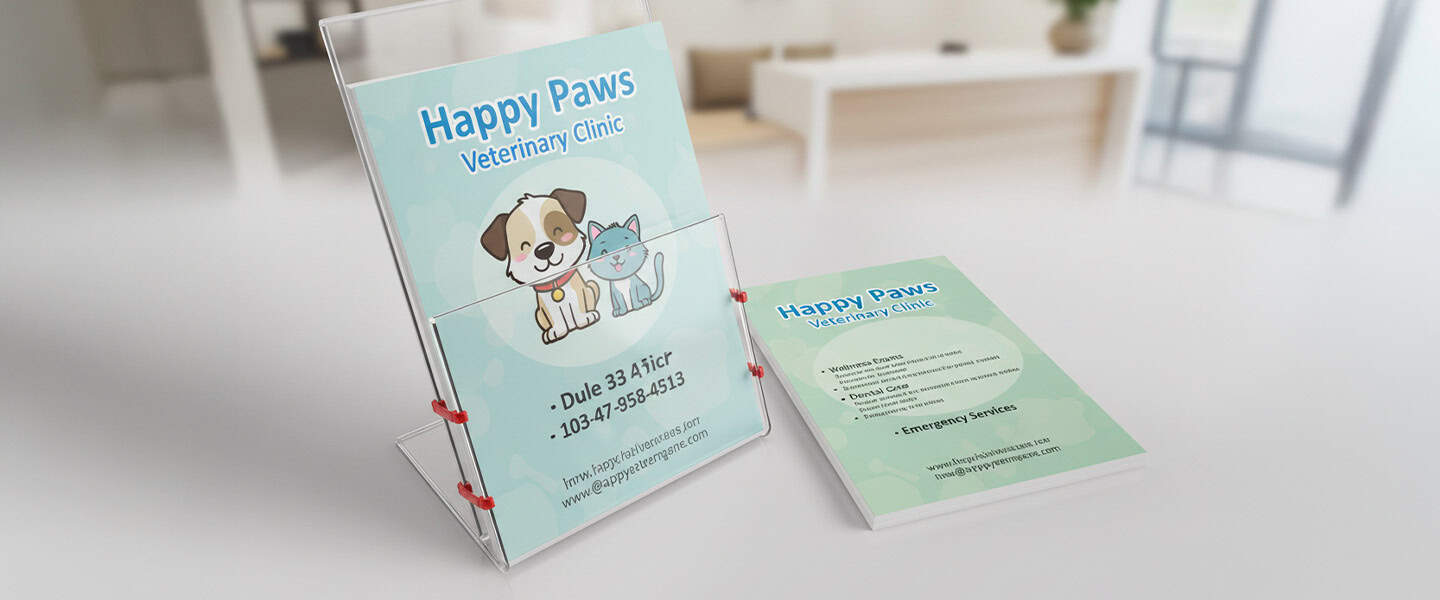
Flyers aren’t forgotten because they’re unimportant, they’re forgotten because they’re distributed slowly.
A box of flyers might last weeks or months. During that time, the need to reorder doesn’t feel urgent. Then one day, the stack is empty.
That moment usually arrives:
- Right before an event
- During a busy sales period
- When staff expects flyers to be available
Why flyer shortages cause disruption
- Flyers support visibility and clarity
- Reprinting last-minute limits options
- Messaging may need to be reused longer than intended
Flyers are often treated as disposable, but their absence is felt immediately in customer-facing spaces.
This mirrors insights from Flyers That Sell: 7 Proven Tricks to Make Yours Convert, flyers only work when they’re actually there.
Envelopes: the most underestimated print essential

Envelopes are rarely top-of-mind, until they’re needed urgently.
They’re used for:
- Invoices
- Contracts
- Formal communication
- Mailers and documents
Because envelopes don’t feel “branded” in the same way as other materials, they’re often ordered last, or not at all.
Why envelope shortages slow businesses down
- Documents pile up waiting to be sent
- Staff improvises with mismatched supplies
- Communication feels rushed or unprofessional
Even when businesses have letterhead ready, envelopes are often missing, breaking the consistency customers expect.
As discussed in The Office Prints Customers Notice (Even If They Don’t Say It), these details quietly shape perception.
Why forgetting these print materials costs more than time
Running out of print doesn’t just cause inconvenience, it creates hidden costs:
- Lost first impressions
- Delayed communication
- Rushed reorders
- Compromised quality choices
Most importantly, it creates moments where a business feels less prepared than it actually is.
Customers may not comment but they notice.
The pattern behind forgotten print pieces
If you look closely, the most-forgotten items aren’t marketing-heavy. They’re support tools.
They live between:
- Branding and operations
- Marketing and logistics
- Planning and execution
Because they support everything else, they’re easy to take for granted.
Until they’re gone.
How businesses can avoid last-minute print shortages
Avoiding these gaps doesn’t require complex systems just awareness.
Many businesses benefit from:
- Reviewing print inventory quarterly
- Reordering before items feel “low”
- Treating essentials as operational tools, not campaign extras
- Ordering slightly more than needed for high-use items
The goal isn’t excess. It’s continuity.
Print works best when it’s invisible and available
The most effective print materials rarely get compliments.
They just work.
Business cards, stickers, flyers, and envelopes don’t draw attention when they’re present. They support conversations, deliveries, and interactions quietly.
But when they’re missing, everything feels harder.
Recognizing which print materials businesses forget to reorder is less about printing more and more about staying ready.
Because the best time to reorder is always before it becomes urgent.