What Makes Professional Letterhead Stand Out?
Professional letterhead does more than display your logo—it shapes the first impression your business makes. Whether you’re sending proposals, contracts, invoices, or client letters, a well-designed letterhead builds trust before anyone reads the first sentence.
The best letterhead combines clean design, consistent branding, and high-quality printing to create documents that look polished and professional. In this guide, you’ll learn how to design letterhead that reflects your brand and follows proven best practices.
What Is Professional Letterhead?
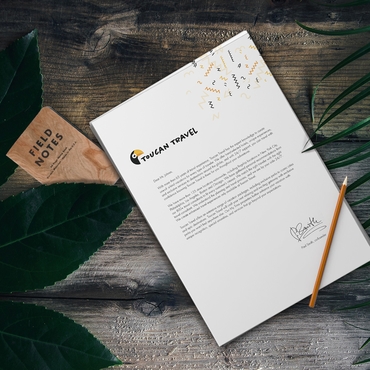
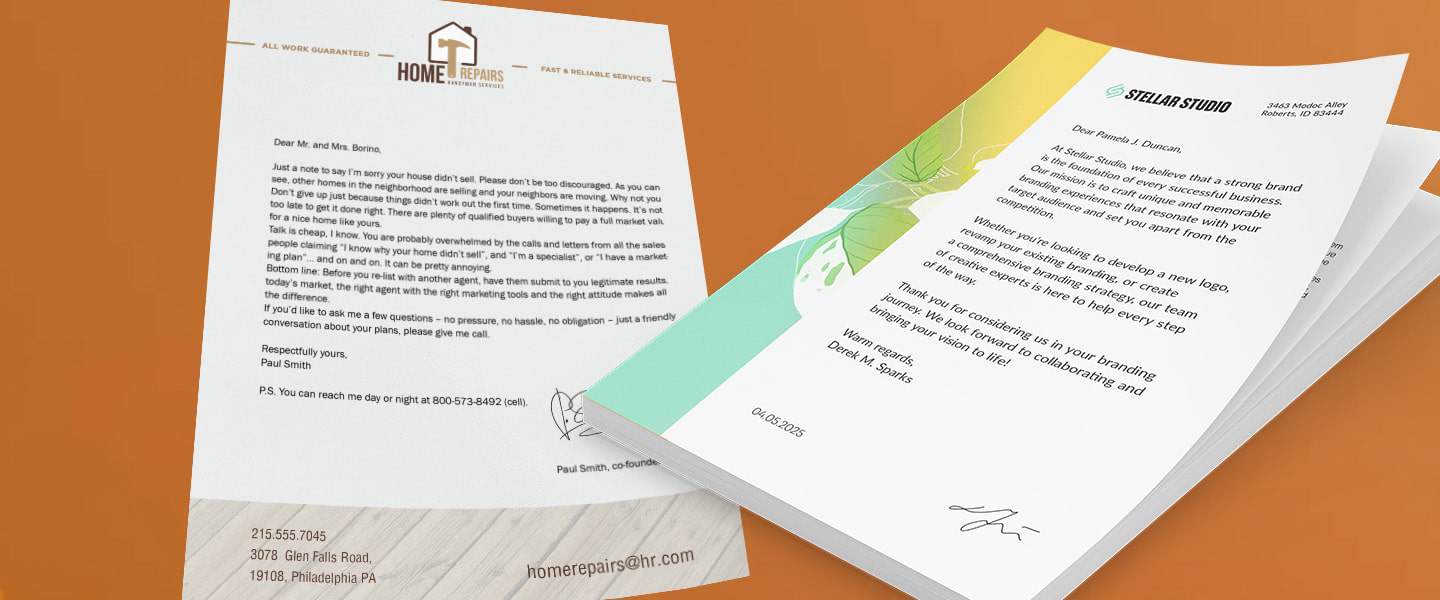
Professional letterhead is branded stationery that includes your company’s logo, business name, and contact information. It’s commonly used for proposals, contracts, invoices, official correspondence, and other client-facing documents.
A professionally designed letterhead helps reinforce your brand identity while making every communication look more credible and consistent.
Why Letterhead Still Matters
In an age of digital communication, physical documents carry weight. A well-designed letterhead:
- Conveys professionalism in every interaction
- Reinforces your brand through consistent design
- Helps you stand out from competitors who rely on plain templates
Even invoices and thank-you notes look more credible when they carry your brand’s visual signature.
👉 Related blog: Essential Print Materials for Freelancers and Consultants
Key Elements of Professional Letterhead
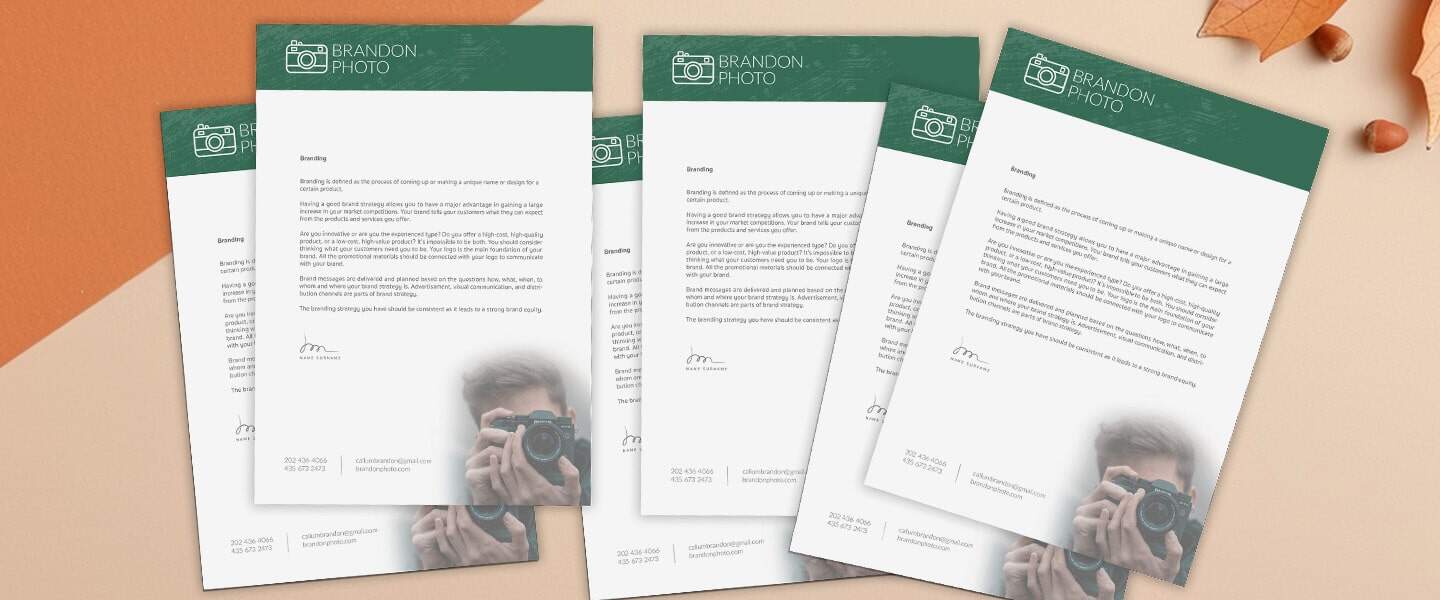
Every effective letterhead should include:
- Business logo for instant recognition.
- Company name displayed clearly.
- Contact information, including phone number, email, website, and address when appropriate.
- Consistent fonts and colors that match your brand.
- Balanced white space so the document remains easy to read.
- Optional branding elements, such as a tagline or subtle watermark.
Letterhead Design Best Practices
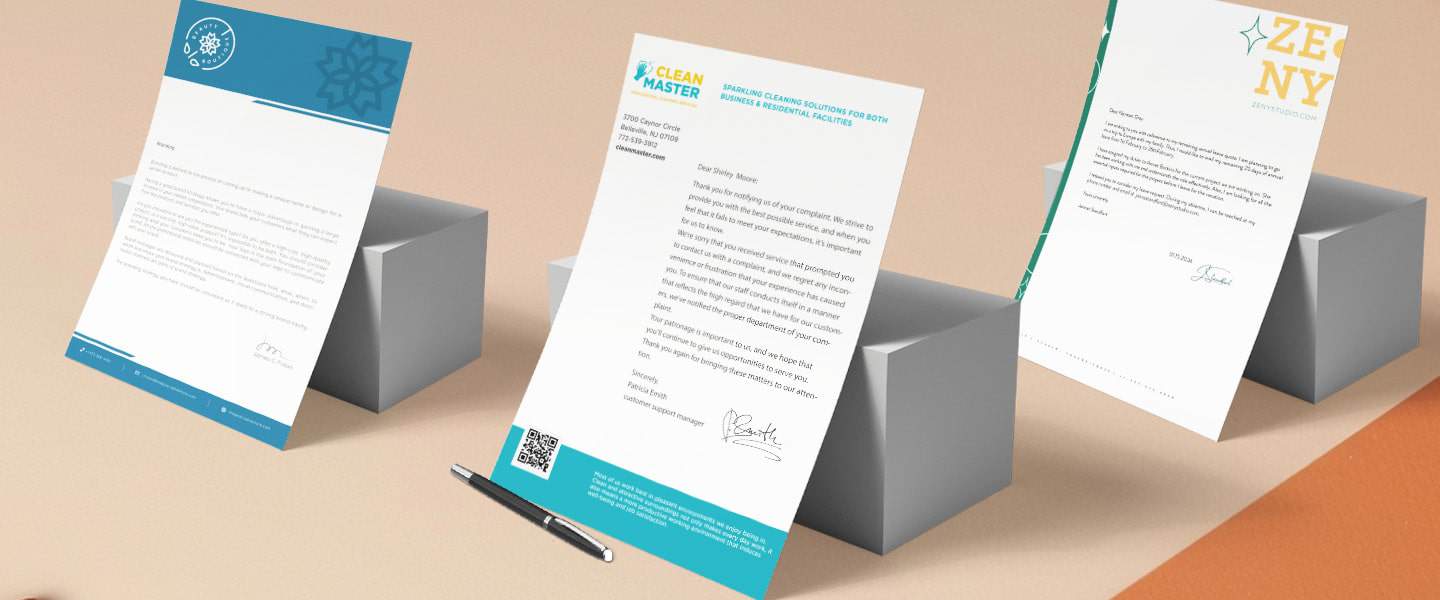
A professional letterhead should support your message—not compete with it.
Follow these best practices:
- Keep the layout clean and uncluttered.
- Use one or two brand colors.
- Leave generous margins for the body text.
- Choose easy-to-read fonts.
- Use a high-resolution logo.
- Design a version that works both digitally and in print.
Related blog: A Complete Guide: Types of Paper for High-Quality Printing
When to Update Your Letterhead
Professional businesses refresh their letterhead whenever their brand evolves. Consider redesigning if:
- You’ve updated your logo or color palette
- Your contact details have changed
- You’re repositioning your brand ahead of a new year or Q4 marketing push
Related blog: Print Products That Make Your Brand Look Bigger Than It Is
Real-World Inspiration
- A law firm used heavy-stock letterhead with embossed logos to build trust and authority.
- A startup agency created minimalist letterhead with bold accent colors to stand out.
- A freelancer added a subtle watermark to reflect creativity without overwhelming the text.
5 Must-Haves for Professional Letterhead
- Logo & Business Name
Placed at the top or corner for instant recognition. - Contact Information
Phone, email, and website clearly visible. - Brand Colors & Fonts
Consistent with your other print + digital assets. - Quality Paper
Heavier stock, matte or linen finish for a premium feel. - Clean Layout
Whitespace balance that frames — not clutters — your message.
Pro Tip: Keep a digital version on hand for PDFs and invoices, but always print on premium stock for client-facing communications.
Final Thoughts
Professional letterhead is a simple investment that makes a lasting impression. It communicates who you are before a single word is read. By choosing the right layout, paper, and branding details, you ensure that every client interaction feels professional, polished, and consistent.
Related resources:
Frequently Asked Questions
What is professional letterhead?
Professional letterhead is branded stationery that includes your business logo, company name, and contact information for official documents.
How do you design professional letterhead?
Start with a clean layout, use consistent branding, leave plenty of white space, and include only the essential business information.
What should a company letterhead include?
Most business letterheads include a logo, company name, phone number, email, website, and business address.
What paper is best for letterhead?
Uncoated paper is the most common choice because it’s easy to write on, while premium matte or linen papers create a more professional appearance.
Can I use the same letterhead digitally?
Yes. Many businesses keep both printed and digital versions for PDFs, invoices, proposals, and contracts.
Resources
- U.S. Small Business Administration – Marketing & Branding
- University of Minnesota Extension – Marketing Resources
- U.S. General Services Administration – Brand Guidelines