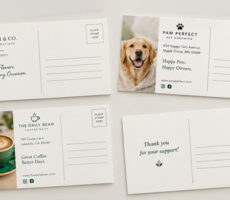
The best postcard size depends on your marketing goal, but standard sizes like 4″ × 6″, 5″ × 7″, and 5.5″ × 8.5″ are the most popular because they balance visibility, space, and cost.
Before anyone reads your postcard, they notice its size. Whether it’s delivered through the mail, displayed on a counter, or handed out in person, the right size helps your message stand out.
This guide explains the most common postcard sizes, when to use each one, and how to choose the best format for your campaign.
Key Takeaways
- There isn’t one “best” postcard size for every campaign.
- Standard postcard sizes each have different advantages.
- Larger postcards increase visibility but usually cost more.
- Smaller postcards are affordable and easy to distribute.
- Choose a size based on your audience, message, and distribution method.
Why postcard size is more than just a format choice
At first glance, postcard sizes look like a simple production detail.
But in practice, size affects:
- visibility
- readability
- cost
- and how long someone keeps it
A smaller card might save money, but gets overlooked more easily.
A larger card stands out—but only if it’s used in the right context.
That’s why there’s no universal “best” size.
There’s only the size that fits your message and distribution.
If you’re using postcards in direct mail campaigns, size plays a major role in whether your piece stands out or gets ignored.
Common Postcard Sizes
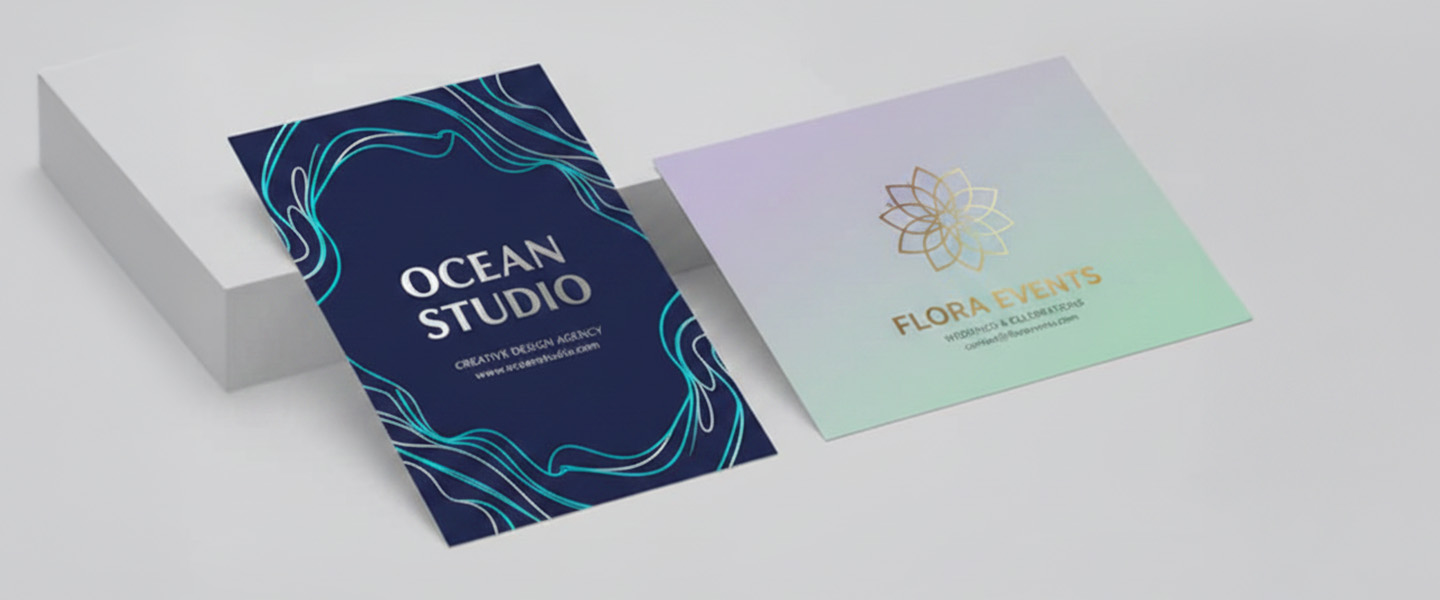
| Size | Best For |
|---|---|
| 4″ × 6″ | Handouts, coupons, budget-friendly mailings |
| 5″ × 7″ | Local promotions and appointment reminders |
| 5.5″ × 8.5″ | Direct mail campaigns and product promotions |
| 6″ × 9″ or larger | High-impact marketing and real estate mailers |
4″ × 6″: Simple and Affordable
The 4″ × 6″ postcard is the smallest standard size and one of the most economical options.
It’s a good choice when you have a short message, a familiar audience, or need to print large quantities without increasing your budget.
5″ × 7″: A Balanced Choice
This size offers more room for headlines, images, and offers while remaining easy to hold and mail.
It’s commonly used for:
- Local business promotions
- Appointment reminders
- Restaurant specials
- Community events
For many businesses, it’s a practical middle ground.
5.5″ × 8.5″: Great for Marketing Campaigns
One of the most popular marketing sizes, the 5.5″ × 8.5″ postcard provides enough space for attractive visuals and a clear call to action without feeling overwhelming.
If you’re unsure which size to choose, this format is a reliable starting point.
6″ × 9″ and Larger
Larger postcards are designed to attract attention.
They’re often used for:
- Real estate marketing
- Retail promotions
- Seasonal campaigns
- New product launches
While they cost more to print and mail, they can stand out in a crowded mailbox when paired with a strong design.
How to Choose the Right Postcard Size
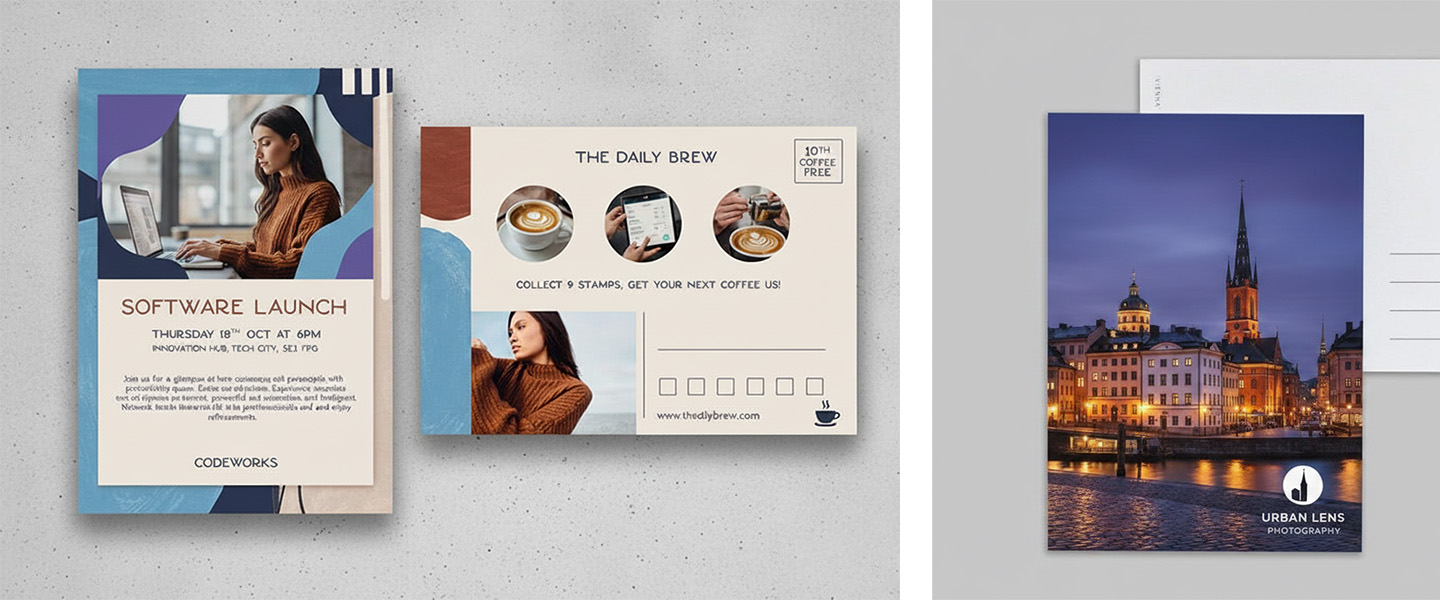
Instead of choosing a size first, think about how your postcard will be used.
Ask yourself:
- Will it be mailed or handed out?
- How much information do you need to include?
- What action do you want readers to take?
The answers will help you select a format that supports your campaign.
How size affects response rates (what actually changes)
This is where size becomes strategic.
Larger postcards tend to:
- get noticed more easily
- stay visible longer
- create stronger first impressions
Smaller postcards:
- are easier to distribute
- cost less per unit
- work better when the message is already familiar
There’s no automatic advantage.
Size only improves results when it aligns with the situation.
If you’re looking at how design and message affect performance, this article on Postcards for Local Marketing: What Actually Works
explains why some campaigns work while others don’t.
Does a Bigger Postcard Get Better Results?
Not always.
Larger postcards are often more noticeable, but size alone doesn’t improve performance.
A clear message, strong design, and relevant offer usually matter more than simply choosing a larger format.
The role of layout (and why it matters more as size increases)
As your postcard gets larger, layout becomes more important.
More space creates more opportunities—but also more risk.
Without structure, larger postcards often become:
- cluttered
- harder to scan
- less effective
A good layout ensures that:
- the headline is clear
- the message flows naturally
- the call to action stands out
If you’re unsure how to structure your design, this guide on How to Design Print Materials That Actually Get Read (Not Thrown Away)
breaks down what makes print materials easy to understand.
When to use different sizes (real scenarios)
To simplify things, here’s how size decisions usually play out in real situations:
For quick handouts or street distribution, smaller sizes work best.
They’re easy to carry, quick to read, and efficient to print.
For mail campaigns, mid-size or larger postcards perform better.
They stand out more and give you room to communicate clearly.
For high-visibility placements, larger formats make sense.
They compete better in busy environments.
These aren’t strict rules—but they’re consistent patterns.
If you’re deciding between formats, this breakdown of postcards vs flyers for local promotions can help you understand when each option performs better
Before you print your postcards
Before choosing a size, make sure you’re clear on:
- what you want the postcard to do
- how it will be distributed
- how much information you need to include
If those aren’t defined, the size won’t fix the problem.
It will only amplify it.
If you’re prioritizing your materials, this guide on what to print first if you have a limited budget can help you make smarter decisions.
Ready to choose your postcard size?
If you already know how your postcard will be used, you can explore available sizes and formats here: Postcards
This makes it easier to match your design to the right format from the start.
Frequently Asked Questions
What is the standard postcard size?
The most common standard postcard sizes are 4″ × 6″, 5″ × 7″, and 5.5″ × 8.5″.
What postcard size is best for direct mail?
Many businesses choose 5.5″ × 8.5″ because it offers a good balance of visibility and space for marketing messages.
Are larger postcards worth it?
Larger postcards can attract more attention, especially in direct mail campaigns, but they should be supported by a clear design and message.
What should I consider before choosing a postcard size?
Think about your audience, how the postcard will be distributed, your budget, and how much information you need to include.
Conclusion
Choosing the right postcard size is about more than dimensions.
The best format is the one that fits your audience, your message, and your marketing goals.
Whether you’re promoting a local event, announcing a sale, or launching a direct mail campaign, selecting the right postcard size helps your message get noticed.
Resources
- Printing United Alliance – Best practices for commercial printing, print production, and design.
- American Institute of Graphic Arts (AIGA) (.org) – Resources on graphic design principles, visual communication, and layout.
- Purdue University Online Writing Lab (OWL) (.edu) – Guidance on visual design, readability, and effective communication that can help improve print marketing materials.