
Posters and flyers can both promote a business, event, or special offer—but they serve different purposes. Posters build visibility from a distance, while flyers provide details and encourage people to take action.
Quick answer: Choose a poster when you want repeated visibility in one location. Choose a flyer when you want to distribute information, promote an offer, or generate a direct response.
This guide compares poster vs. flyer sizes, costs, distribution methods, design requirements, and best uses to help you choose the right format.
Poster vs. Flyer: Quick Comparison
| Feature | Flyer | Poster |
| Primary purpose | Provide details and encourage action | Build awareness and visibility |
| Viewing distance | Read up close | Viewed from farther away |
| Distribution | Handed out, mailed or placed on counters | Displayed on walls, windows or boards |
| Common sizes | 4 × 6, 5 × 7, 5.5 × 8.5 and 8.5 × 11 in. | 11 × 17, 16 × 20, 18 × 24 and 24 × 36 in. |
| Amount of text | Moderate | Minimal |
| Best design approach | Offer, details and clear CTA | Bold headline and strong visual |
| Best for | Coupons, menus, services and event details | Storefronts, events, announcements and displays |
| Tracking options | QR codes, coupons and promo codes | QR codes, custom URLs and foot traffic |
| Typical campaign role | Direct response | Awareness |
These sizes align with Overnight Prints’ current flyer options and poster options.
What Is a Poster?
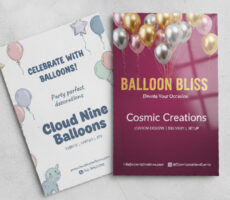
A poster is a large-format print piece designed to attract attention from a distance.
Businesses usually place posters:
- in storefront windows
- on walls
- on community boards
- at events
- in busy public areas
The goal is visibility.
A poster is not meant to explain every detail.
It’s meant to stop people long enough to notice your message.
That’s why strong posters usually focus on:
- one bold headline
- one clear visual
- one simple message
Common poster sizes include:
- 11×17
- 18×24
- 24×36
Businesses often use Posters for:
- grand openings
- seasonal sales
- concerts
- local events
- restaurant promotions
- retail campaigns
A good poster becomes part of the environment around your customers.
People may see it multiple times before taking action.
What Is a Flyer?
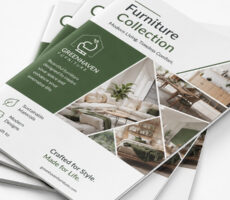
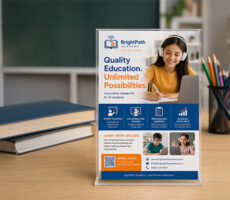
A flyer is a smaller print piece designed to be read up close.
Unlike posters, flyers are meant to provide details and encourage action.
Businesses use flyers when they want customers to:
- visit a store
- redeem an offer
- attend an event
- book a service
- save information for later
Common Flyer Sizes
- 4 × 6 inches: Compact handouts and simple promotions
- 5 × 7 inches: Invitations, offers and event promotions
- 5.5 × 8.5 inches: Local marketing and promotional handouts
- 8.5 × 11 inches: Menus, real estate listings and detailed information
- 11 × 17 inches: Larger handbills and event promotions
The best flyer size depends on how much information you need to include and how the flyer will be distributed.
Overnight Prints currently offers these and additional flyer sizes, including 4.25 × 5.5, 6 × 9, 6 × 11 and 8 × 10 inches. View official flyer sizes
Because people physically hold flyers, they tend to feel more personal.
That’s why businesses often use Flyers for:
- coupons
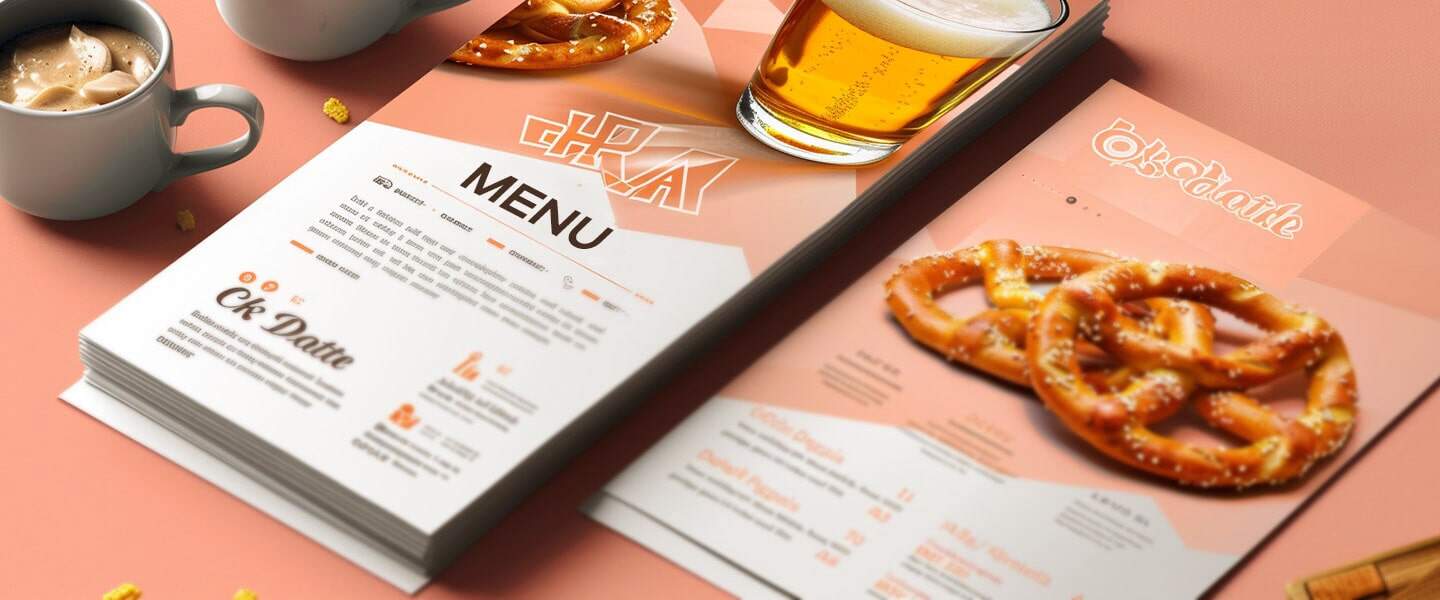
- menus
- local promotions
- event reminders
- product launches
- real estate marketing
Unlike posters, flyers can explain more.
They have room for:
- pricing
- offers
- QR codes
- schedules
- contact information
- calls to action
What Is the Main Difference Between a Poster and a Flyer?
The main difference is how people interact with each format. A poster is displayed in a fixed location and designed to communicate quickly from a distance. A flyer is distributed directly and gives the reader more time to review details, offers, and contact information.
In simple terms:
- Posters build visibility
- Flyers communicate details and encourage action
When Posters Work Best
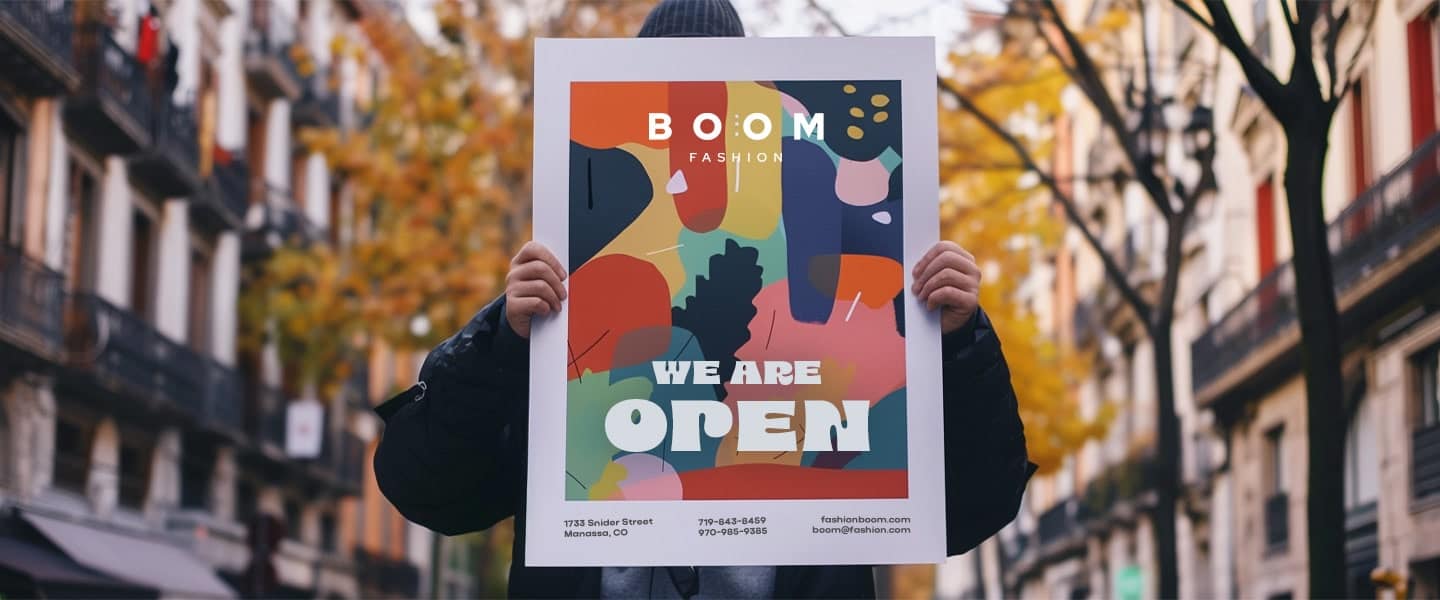
Posters are strongest when your goal is visibility.
They work especially well for:
- storefront promotions
- concerts
- gyms
- cafés
- festivals
- retail events
- community campaigns
A strong poster helps your business stay visible without needing direct interaction.
For example:
A coffee shop promoting a seasonal drink might place posters:
- near campuses
- inside local businesses
- on street-facing windows
People see the message repeatedly during their daily routine.
That repetition builds familiarity.
And familiarity increases action later.
Businesses often combine posters with:
to reinforce local campaigns.
When Flyers Work Better
Should You Use a Poster or a Flyer?
Choose a poster if:
- People need to see your message from a distance
- You have a permanent or high-traffic display location
- Your goal is awareness or repeated exposure
- Your message can be communicated with one headline and visual
Choose a flyer if:
- You need to provide prices, dates or other details
- You want to hand out or mail the promotion
- Your campaign includes a coupon, QR code or special offer
- Your goal is bookings, visits, registrations or redemptions
Use both if your campaign needs visibility and direct response. For example, an event organizer could display posters around the neighborhood and distribute flyers containing the schedule, address and ticket QR code.