Most customers decide whether a business feels trustworthy before a conversation even starts.
They haven’t reviewed your pricing.
They haven’t compared your services.
They haven’t checked testimonials yet.
They’re answering a quieter question first:
“Does this business feel established?”
For small businesses, that first impression often happens through print, a card handed over, a document sent, an envelope received. And while customers may not consciously analyze these details, they absolutely respond to them.
That’s why professional print materials for businesses play such a powerful role at first contact.
First contact is about reassurance, not persuasion
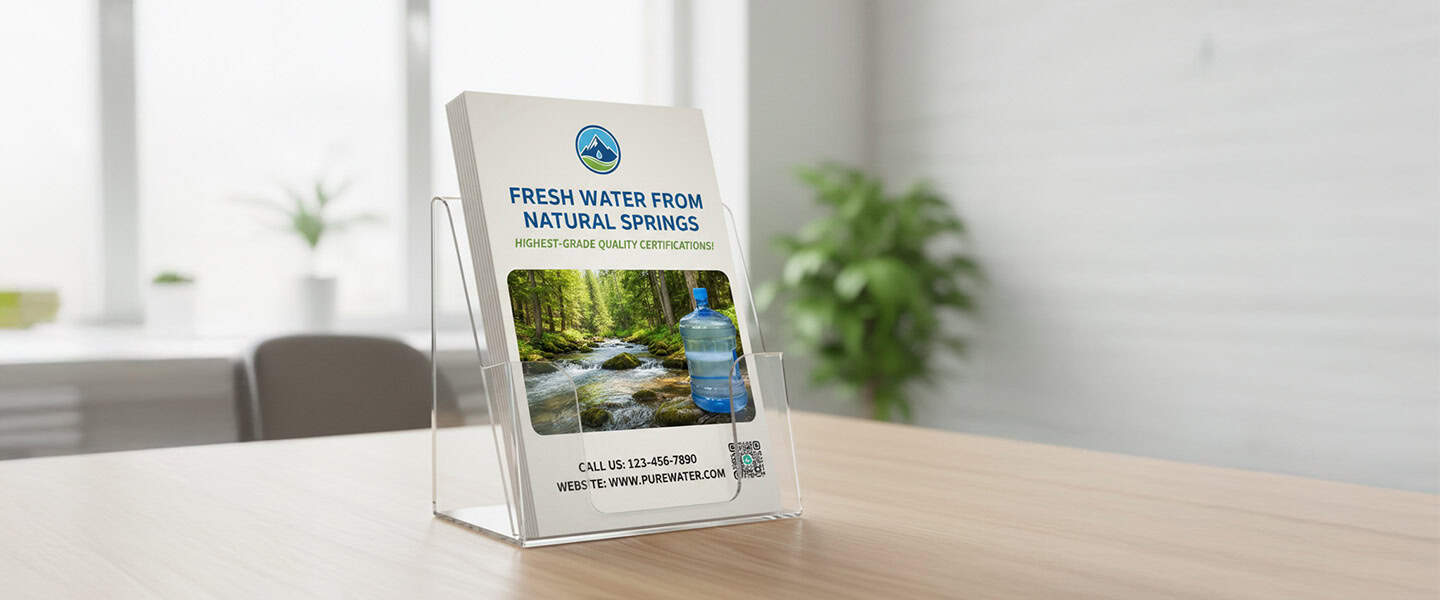
At the earliest stage, customers aren’t looking to be convinced. They’re looking to feel safe.
They want to know:
- Is this business legitimate?
- Do they take themselves seriously?
- Will I regret engaging with them?
Print quietly answers these questions, not through messaging, but through signals.
Well-chosen print materials signal preparation, consistency, and permanence. Poor or mismatched materials signal the opposite.
Why “established” is a feeling, not a milestone
Being established isn’t about how long a business has existed. It’s about how it presents itself.
A new business can feel established.
A long-running one can feel improvised.
Customers don’t see your timeline. They see:
- How consistent your materials are
- Whether details match
- Whether the experience feels intentional
Print plays a central role here because it’s tangible. It doesn’t disappear like a digital interaction. It leaves something behind, physically and mentally.
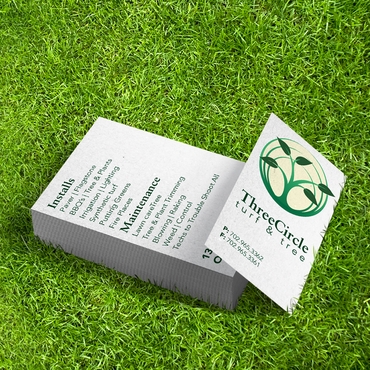
The role of business cards in first impressions
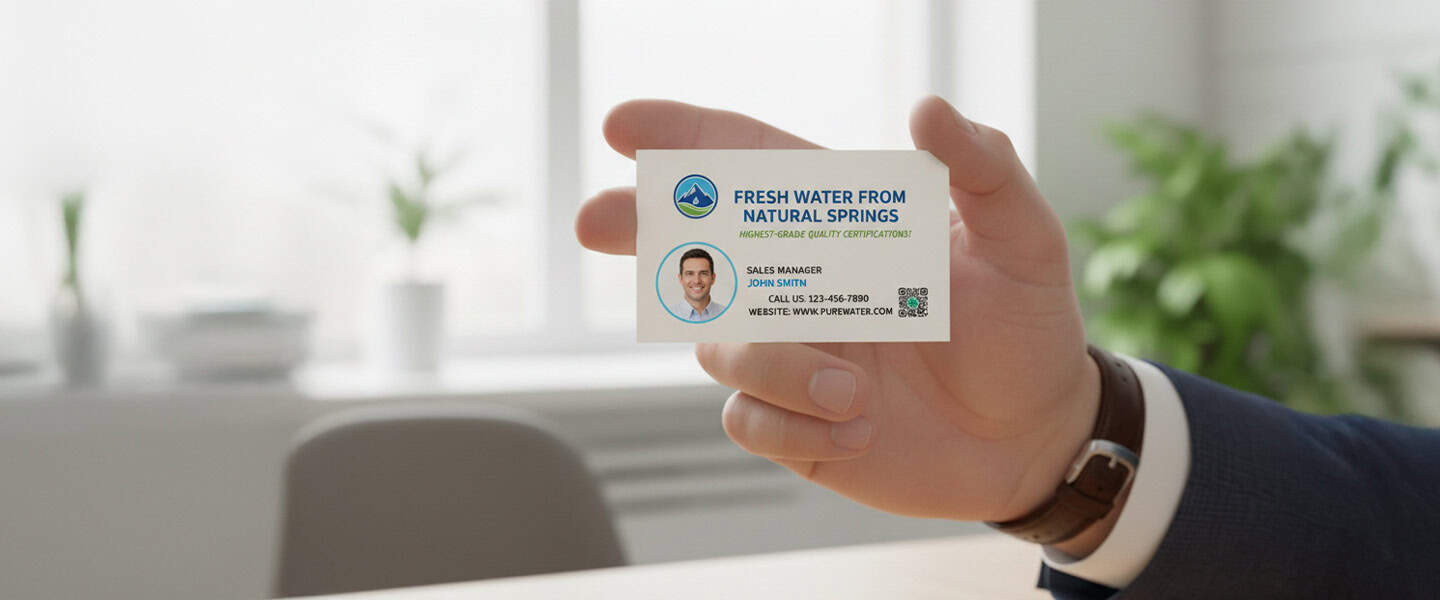
A business card is often the first physical artifact a customer receives. And in that moment, the card isn’t just informational, it’s symbolic.
A well-designed card suggests:
- This business is prepared
- This interaction isn’t temporary
- There’s a system behind the service
That’s why business cards remain one of the strongest tools for shaping first impressions, even in digital-first industries.
As explored in How to Make Your Business Cards Stand Out (Even on a Budget), customers don’t judge cards by extravagance, they judge them by clarity and confidence.
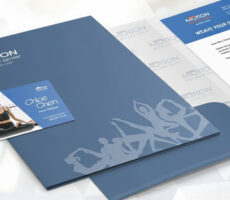
Why letterhead still matters in a digital world
Letterhead often enters the picture when the relationship becomes slightly more formal:
- Proposals
- Agreements
- Official communications
- Follow-ups after first contact
This is where credibility either solidifies, or cracks.
A clean, consistent letterhead communicates:
- Professional boundaries
- Attention to detail
- Organizational maturity
Even when documents are delivered digitally, letterhead adds weight. It tells the reader: this communication matters.
This aligns closely with ideas discussed in Custom Letterhead & Envelopes: Why Professional Stationery Still Matters in 2026 , professionalism isn’t outdated, it’s reassuring.
Envelopes as the first impression before the first impression
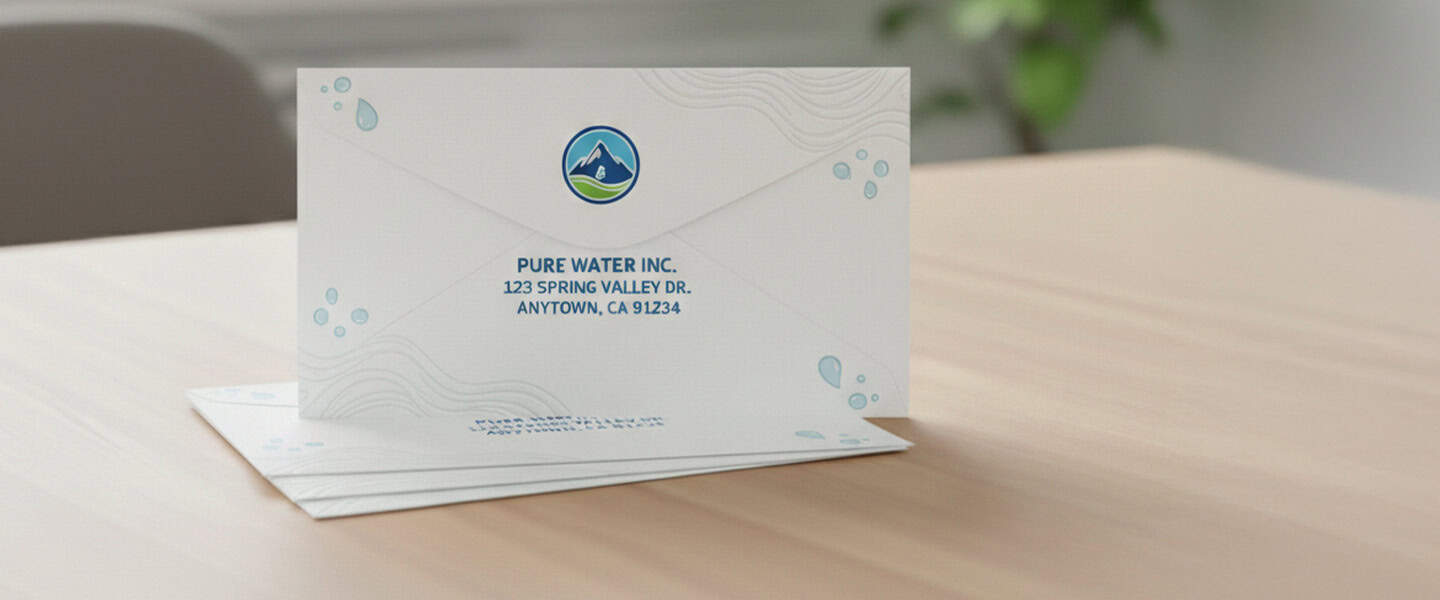
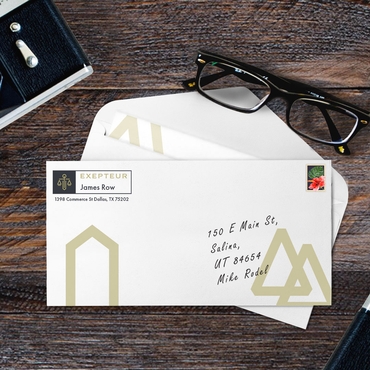
Sometimes the first thing a customer sees isn’t your card or letter, it’s the envelope.
That moment happens before the content is read, and it sets expectations instantly.
A branded envelope signals:
- Intentional communication
- Respect for the recipient
- Consistency across touchpoints
Plain or mismatched envelopes, on the other hand, often feel transactional or rushed, even if the content inside is thoughtful.
Envelopes are subtle, but they frame the entire interaction. They tell the recipient how seriously to take what’s inside.
Consistency is what makes print feel professional
One polished item can help, but consistency is what makes a business feel established.
When business cards, letterhead, and envelopes share:
- The same branding
- The same tone
- The same level of quality
Customers subconsciously register cohesion.
This cohesion signals that the business:
- Thinks beyond one-off interactions
- Has processes in place
- Plans ahead
As discussed in Print Products That Make Your Brand Look Bigger Than It Is, perceived scale often comes from consistency, not size.
Why professional print materials reduce hesitation
Hesitation is the enemy of conversion.
When customers hesitate, they delay decisions, seek alternatives, or disengage entirely. Professional print materials reduce hesitation by answering unspoken doubts.
They don’t say:
“Trust us.”
They imply:
“Others already do.”
That implication is powerful, and it often determines whether a conversation continues.
What customers notice (even if they can’t explain it)
Customers may not articulate why a business feels established, but they notice:
- Clean typography
- Balanced layouts
- Quality paper
- Matching materials
These cues are processed quickly and emotionally, not analytically.
That’s why first contact materials don’t need to explain everything. They just need to feel right.
Established doesn’t mean expensive, it means intentional
One of the biggest misconceptions is that professional print materials require a large budget.
In reality, customers respond more to:
- Clarity over complexity
- Consistency over excess
- Intentional choices over volume
A simple, well-designed card paired with matching stationery does more for credibility than a stack of mismatched materials.
First contact sets the tone for everything that follows
Once a customer decides a business feels established, the rest of the interaction becomes easier:
- Pricing feels more justified
- Communication feels more credible
- Follow-ups feel expected, not intrusive
Professional print materials don’t close deals on their own, but they remove friction before the deal even begins.
And at first contact, that’s often what matters most.