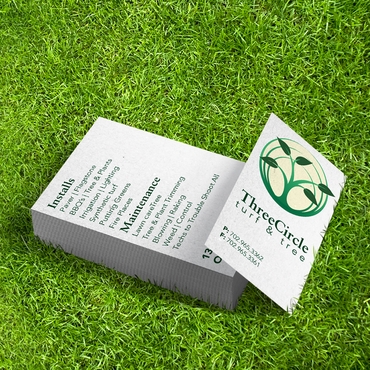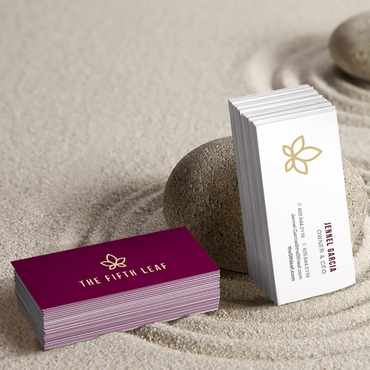
Let’s face it: getting noticed takes more than just another social media post. That’s where the business card comes in, they aren’t outdated — they’re underrated.
For small business owners, freelancers, and creatives, a strategically designed card can still be your secret weapon for making a bold first impression without breaking the bank.
Let’s break down how to design a card that works as hard as you do.
1. Start with Purpose (Before Design)
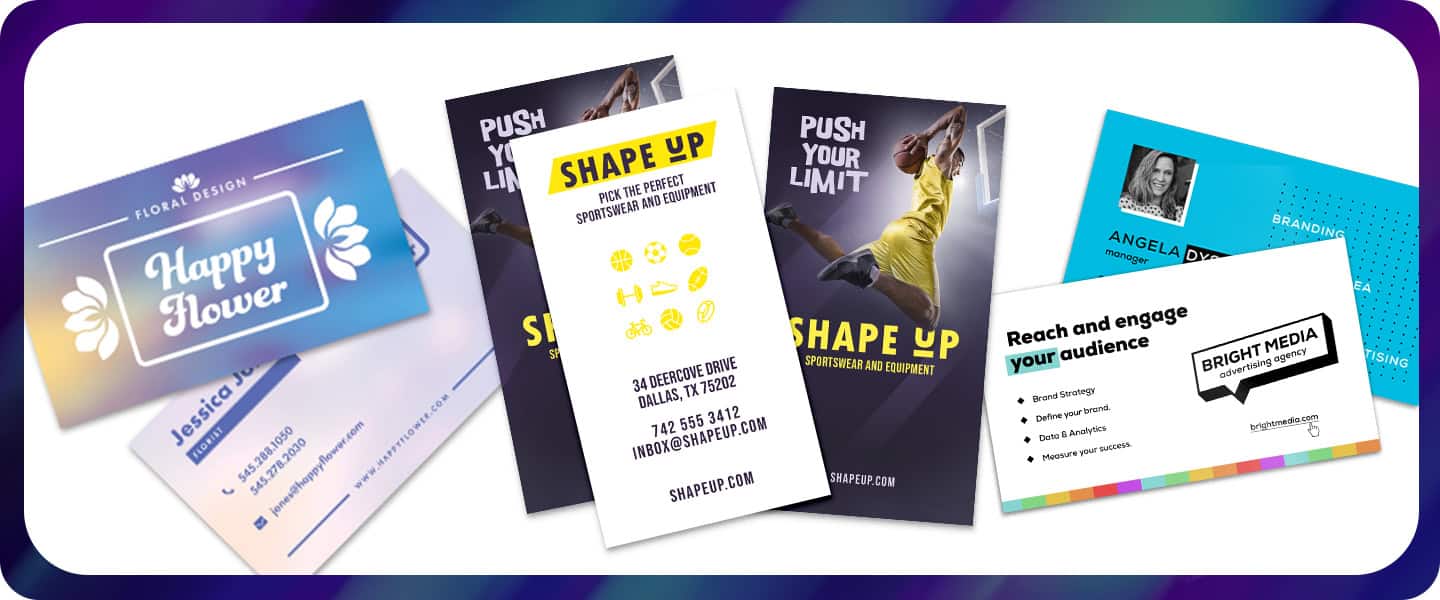
Your card isn’t just a pretty piece of paper — it’s a mini landing page.
Before picking fonts or finishes, ask yourself:
- What do I want people to do after receiving this?
- What feeling or vibe should they walk away with?
Whether it’s booking a call or visiting your website, your card should have one clear CTA — just like your best-performing social posts.
2. Show Off What Makes You Different
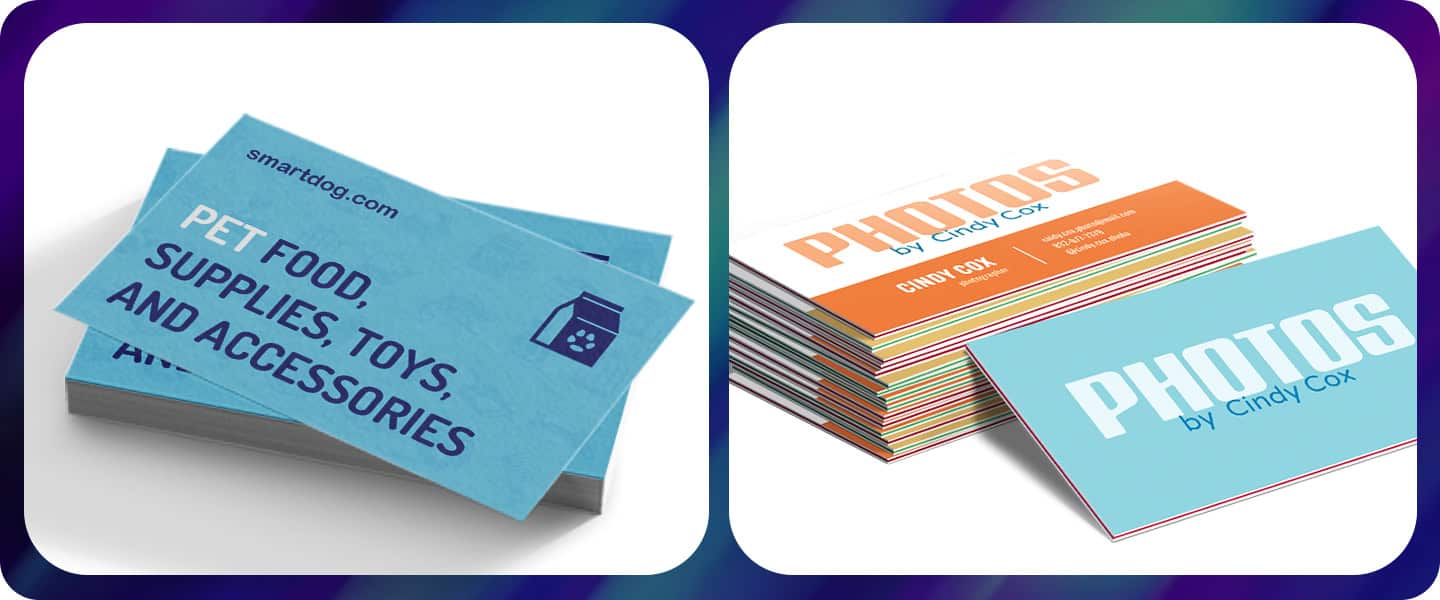
In 2025, generic won’t cut it.
If your card feels like a template, it’ll end up in the trash. But if it feels like you? That’s unforgettable.
Try:
- A bold tagline or friendly invite (“Let’s grab coffee” > “Contact me”)
- Colors, icons, or patterns that reflect your brand’s personality
- A fun twist: handwritten notes, custom illustrations, or a QR code to a voice message or video intro
Example: Emily, a photographer from Austin, added a QR code to her card that linked to her portfolio — and saw a 40% bump in bookings in just 2 months.
That’s the kind of creativity that overnight prints business cards help bring to life, personal, memorable, and professional.
What Makes People Keep a Business Card?
Not every business card gets saved.
People usually keep cards that are:
- Useful
- Easy to read
- Visually different
- Relevant to a need they have
The best business cards combine good design with practical value. A clean layout, strong branding, and clear contact information often outperform overly complicated designs.
Ask yourself:
- Would someone recognize my business from the card alone?
- Can they understand what I do in five seconds?
- Is there a reason to keep this card instead of throwing it away?
3. Use Print Features to Feel Premium (on a Budget)
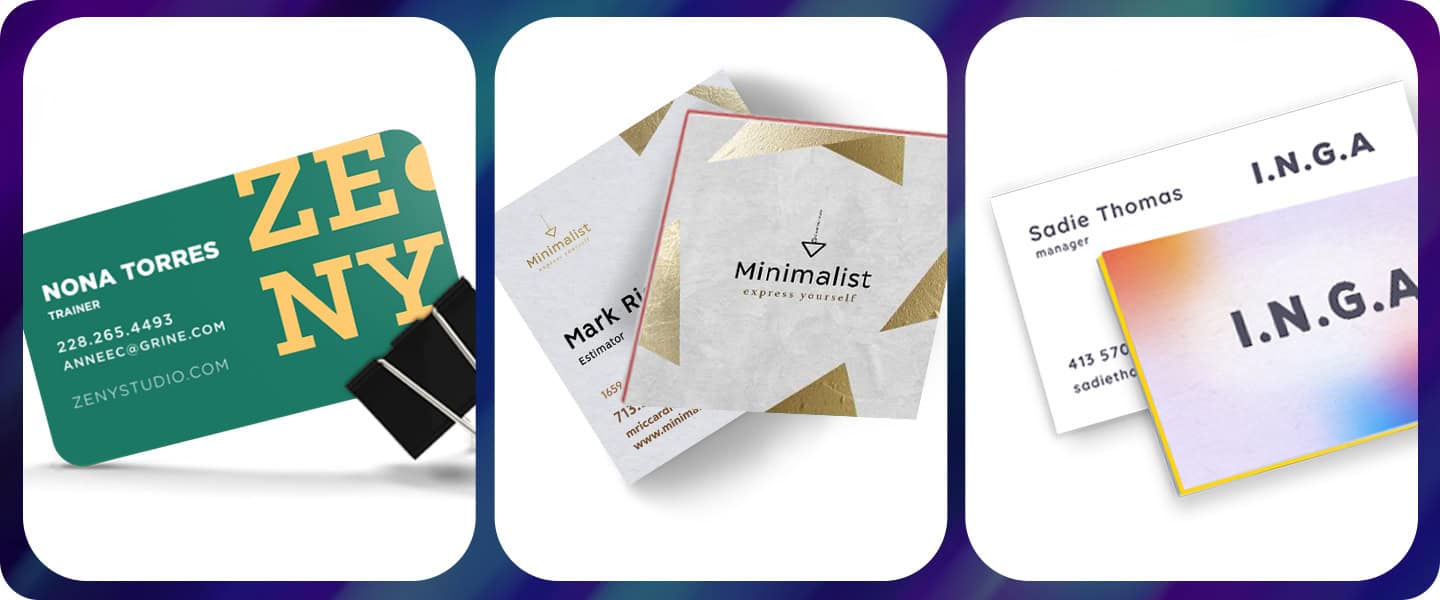
Want a luxury feel without luxury pricing? Try these upgrades that make your card pop:
- Soft-touch coating → velvety, elevated feel
- Spot UV → make logos or names shine subtly
- Rounded corners → modern and sleek
- Recycled paper stock → show your eco-conscious side
At Overnight Prints, these premium touches are affordable, with low minimums and fast U.S. shipping. If you’re looking for top-tier overnight prints business cards, you can customize every detail to match your brand perfectly.
Best Business Card Finishes by Industry
Different industries benefit from different card styles.
| Industry | Recommended Finish |
|---|---|
| Real Estate | Spot UV + Thick Stock |
| Photography | Soft-Touch Finish |
| Consulting | Matte Premium Stock |
| Creative Agencies | Rounded Corners |
| Eco-Friendly Brands | Recycled Paper |
| Luxury Services | Velvet or Soft-Touch Coating |
Choosing a finish that matches your brand helps create a stronger first impression while staying within budget.
4. Add a QR Code That Actually Converts
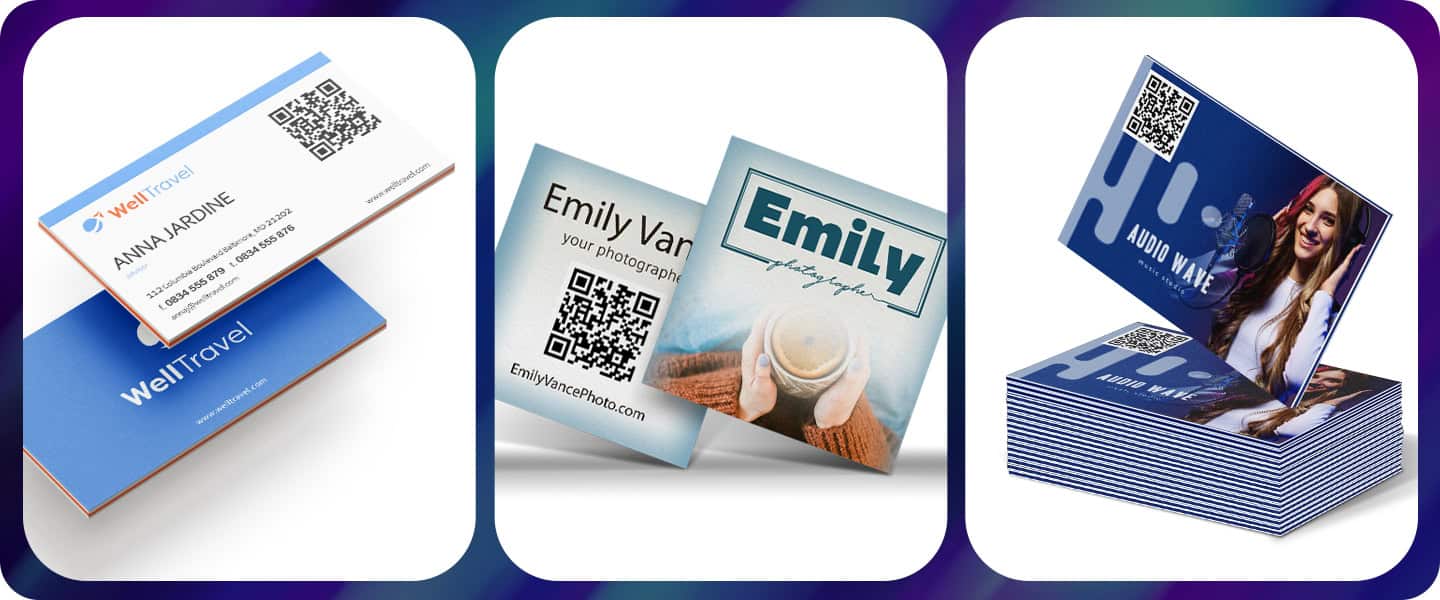
Yes, QR codes are back — but only if they lead somewhere valuable:
- Your lead magnet (freebie, checklist, discount code)
- A portfolio or rave review page
- A Calendly link for booking calls
- A “Get to Know Me” video
Pro tip: Make sure that link is mobile-first and fast-loading. You’ve got 5 seconds to impress.
Common Business Card Mistakes to Avoid
Even premium business cards can fail if the design isn’t practical.
Avoid:
- Using fonts that are too small
- Including too much information
- Printing low-resolution logos
- Using too many colors
- Forgetting a call-to-action
- Linking QR codes to outdated pages
A business card should be simple, clear, and easy to scan within seconds.
5. Design Like a Pro (Even If You’re Not One)
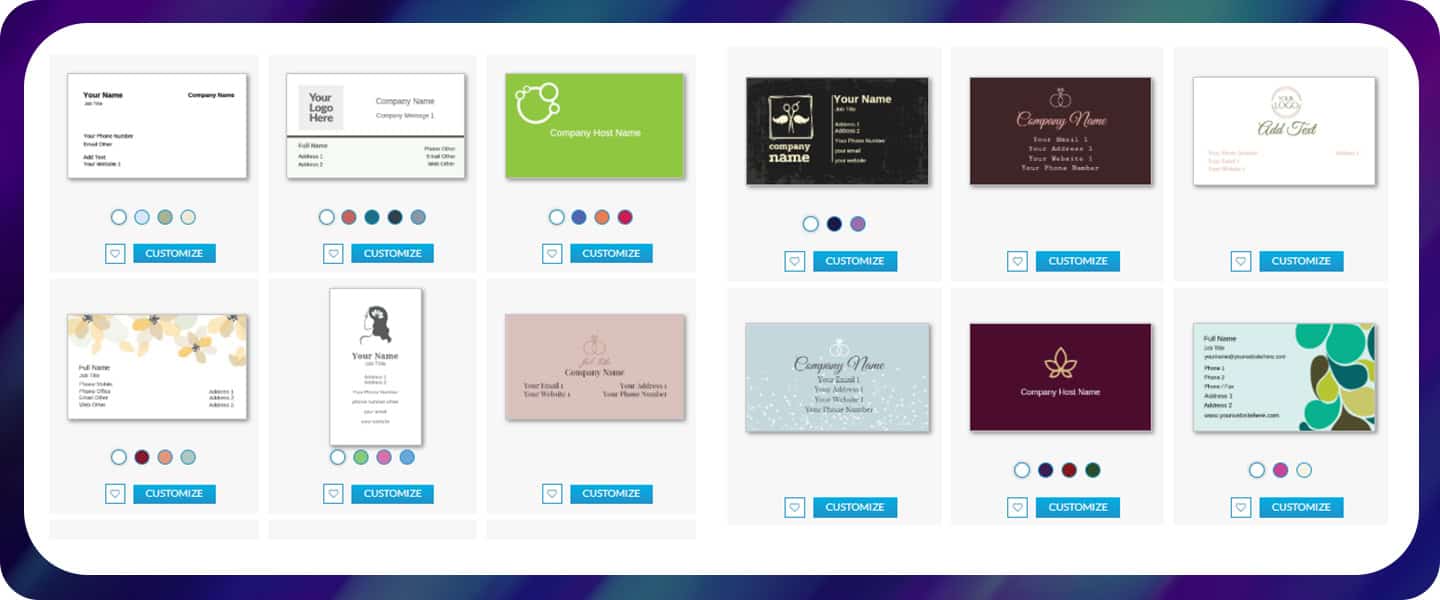
Not a designer? You don’t have to be.
With tools like Overnight Prints, you can:
- Use free, professionally designed templates (for every industry)
- Upload your custom design with one click
- Preview and tweak before you print
- Get real-time support if you need it
That’s why so many small businesses choose overnight prints business cards, they combine speed, quality, and affordability in one seamless experience.
You’ll look like you spent $500 on branding, without spending more than a dinner out.
Your business card is more than contact info, it’s a first impression, a conversation starter, and a sales tool.
And in today’s world, that small card can lead to big results.
Ready to design yours? Visit OvernightPrints.com
Are Business Cards Still Effective in 2026?
Yes.
While digital marketing plays a major role in customer acquisition, business cards remain one of the easiest networking tools available.
Business cards work particularly well for:
- Local businesses
- Real estate agents
- Freelancers
- Contractors
- Consultants
- Event networking
Unlike digital ads, a business card creates a physical reminder that can stay on someone’s desk, wallet, or bulletin board for weeks or months.
Frequently Asked Questions
Are business cards still effective?
Yes. Business cards remain a valuable networking tool because they create a tangible connection and make it easy for customers to remember your business.
What information should be on a business card?
Include your name, business name, phone number, email address, website, and a clear description of what you do.
Do QR codes belong on business cards?
Yes. QR codes can direct people to your website, portfolio, booking page, social profiles, or special offers.
What is the best paper for business cards?
Premium matte and soft-touch stocks are among the most popular because they provide a professional appearance and durable feel.
How can I make business cards look more expensive?
Use thicker cardstock, spot UV, soft-touch finishes, rounded corners, and consistent branding.
How many business cards should I order?
Most small businesses start with 250–500 cards. Businesses that attend frequent networking events often order 1,000 or more.