Self-inking stamps have a strange reputation.
Some businesses rely on them every single day.
Others assume they’re outdated, unnecessary, or even unprofessional.
So the real question isn’t “Are self-inking stamps still useful?”
It’s where they actually make sense and where they don’t.
For many small businesses, self inking stamps for business are either overused or misunderstood. This article clarifies their real role today, without nostalgia and without hype.
Why self-inking stamps haven’t disappeared

With digital tools everywhere, it’s fair to ask: why do businesses still use stamps at all?
The answer is simple: stamps solve a very specific problem that digital tools don’t always handle well repetition in physical workflows.
Any process that involves:
- Paper documents
- Repeated marking
- In-person handling
- Operational speed
still benefits from a tool that works instantly, offline, and consistently.
Self-inking stamps exist because friction still exists.
What makes a self-inking stamp different from a regular stamp?
A self-inking stamp includes an internal ink pad, meaning:
- No separate ink pad
- Faster use
- Cleaner impressions
- Consistent results
That raises a common question: are self-inking stamps more professional than traditional stamps?
In most business environments, yes, because they reduce mess, variation, and downtime. They’re designed for process, not decoration.
Where self-inking stamps still make sense
Instead of listing use cases mechanically, it’s more useful to look at patterns.
Self-inking stamps make sense wherever speed and consistency matter more than flexibility.
High-volume admin and office workflows
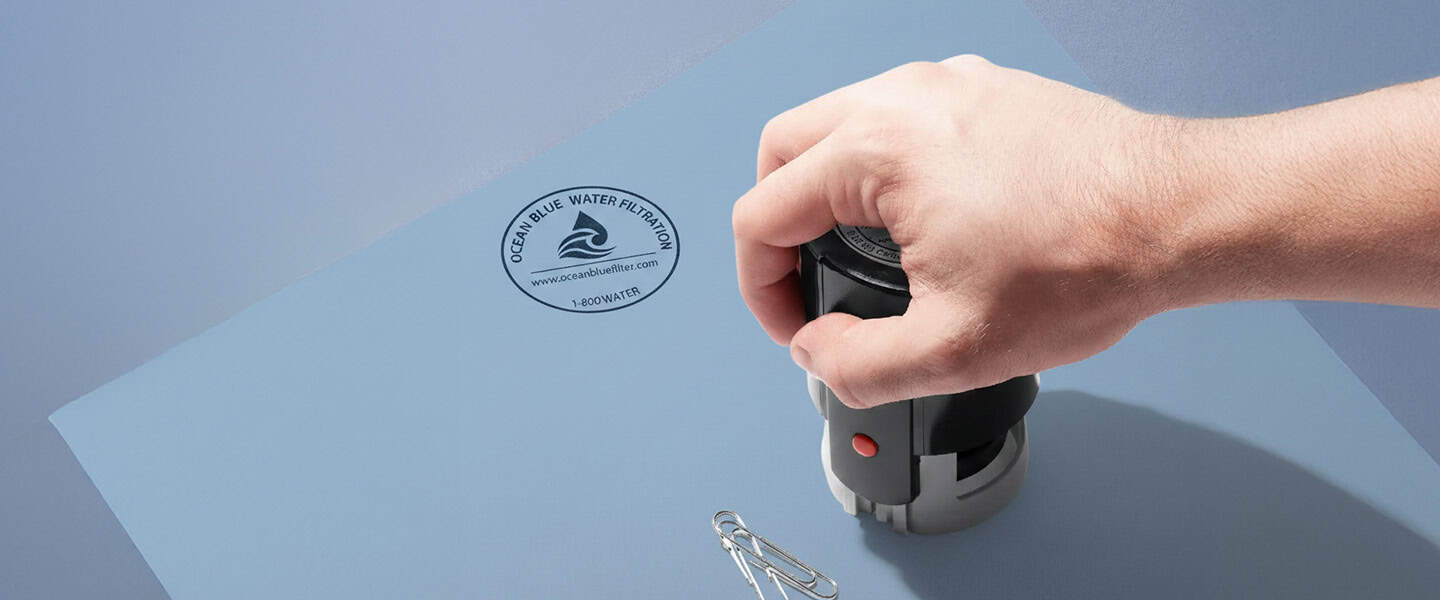
If a document needs the same mark over and over, “Received,” “Paid,” “Approved,” “Copy,” “Filed”, a self-inking stamp is often faster and clearer than handwriting.
This leads many businesses to wonder: isn’t typing or printing faster than stamping?
Not always.
When documents are handled in real time, stamping avoids:
- Opening files
- Printing new pages
- Re-running templates
- Manual corrections
That’s why stamps remain common in offices, accounting teams, legal settings, and operations-heavy businesses.
In offices where documents and notepads move quickly between teams, stamps help standardize notes and approvals without slowing the process.
Customer-facing service environments
In some industries, stamping is part of the customer experience:
- Date stamps on forms
- Verification marks
- Quick confirmations
Here, stamps function as visual reassurance. Customers see a process happening, not just hear about it.
And yes, people still ask: do customers notice stamps?
They may not consciously analyze them, but they register them as signs of structure and legitimacy.
Packaging, fulfillment, and back-office operations
Stamps are often used behind the scenes:
- Inventory control
- Quality checks
- Fulfillment verification
In these cases, the stamp isn’t branding, it’s operational clarity.
Self-inking stamps excel here because they:
- Reduce repetitive handwriting
- Maintain legibility
- Speed up workflows
Where self-inking stamps start to fall short
Just because a tool still works doesn’t mean it works everywhere.
There are situations where stamps create more friction than value.
Branding-first touchpoints
If the goal is to impress, persuade, or build emotional connection, stamps are rarely the best tool.
That raises an important question: should businesses use stamps for branding?
Generally, no, at least not as the primary brand touchpoint.
Stamps are functional. Branding materials are expressive. Mixing the two often weakens both.
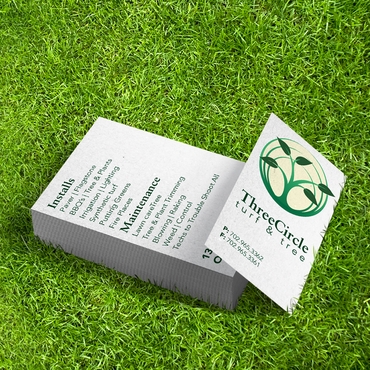
For first impressions, tools like business cards, letterhead, or printed materials communicate professionalism more effectively.
One-off or infrequent use
If a stamp is used once a month, or less, it usually isn’t worth it.
Infrequent stamping leads to:
- Dry ink
- Forgotten tools
- Inconsistent impressions
In these cases, printing or handwriting may actually be more reliable.
Situations requiring flexibility or customization
Stamps work best when the message stays the same.
If each document requires:
- Unique wording
- Variable data
- Personalization
stamps become limiting.
This is why businesses often ask: can self-inking stamps replace printed documents?
They can support them but they don’t replace them.
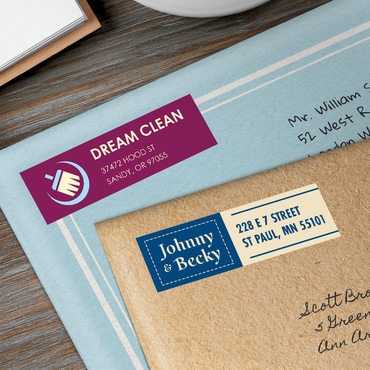
When information changes frequently, address labels often replace stamps to avoid reordering or outdated impressions.
The quiet strength of stamps: consistency
One reason stamps persist is consistency.
A stamped mark:
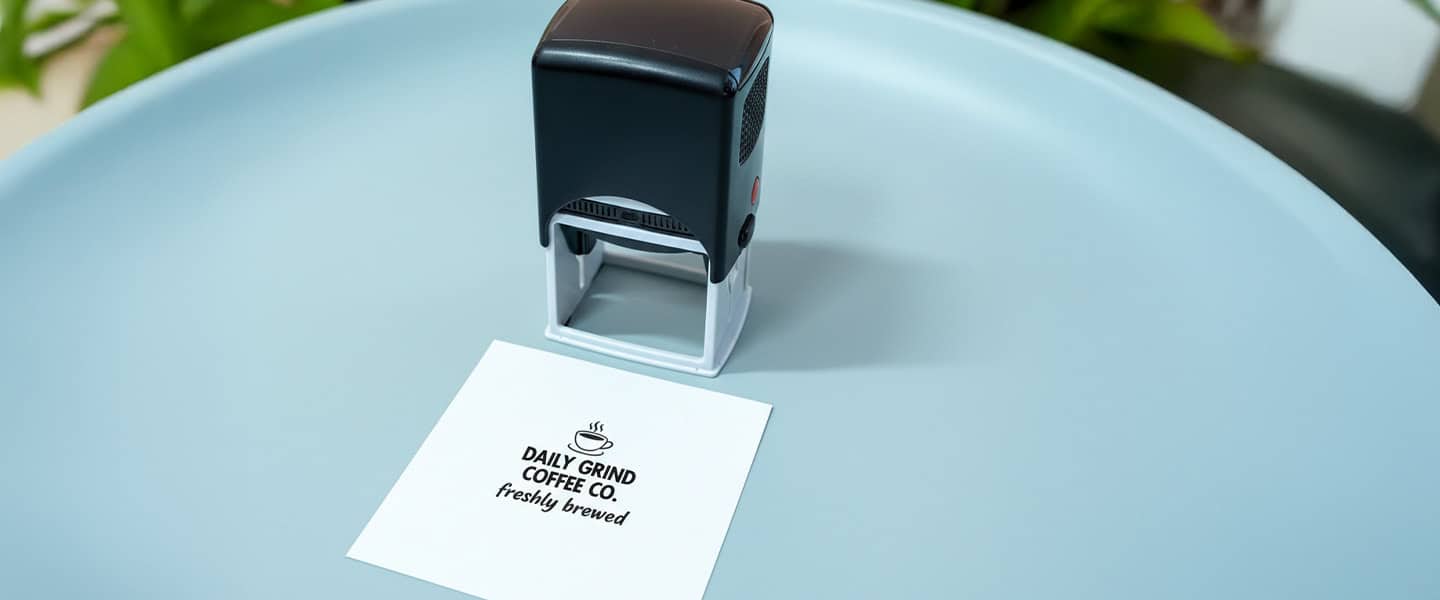
- Looks the same every time
- Removes handwriting variation
- Reduces interpretation errors
That consistency is especially valuable in environments where clarity matters more than aesthetics.
Stamps don’t try to impress.
They try to standardize.
Are self-inking stamps outdated or just misused?
Stamps feel outdated when they’re used where modern tools would work better.
They feel efficient when they’re used exactly where they belong.
The problem isn’t the tool it’s the expectation.
Self-inking stamps are not:
- Marketing tools
- Design elements
- Brand builders
They are:
- Process tools
- Workflow accelerators
- Operational shortcuts
Understanding that distinction prevents frustration and misuse.
How to decide if a self-inking stamp is right for your business
Instead of asking “Do we need a stamp?”, ask:
- Do we repeat the same action daily?
- Do we handle physical documents regularly?
- Does speed matter more than customization?
- Would removing handwriting reduce errors?
If the answer is yes to most of these, a self-inking stamp likely fits.
If not, another print solution may serve you better.
Why stamps still coexist with modern print materials
Self-inking stamps don’t compete with professional print, they complement it.
A business might use:
- Letterhead for formal communication
- Business cards for first contact
- Stamps for internal efficiency
Each tool plays a different role.
As discussed in The Complete Small Business Guide to Printing Services, the strongest setups combine tools intentionally, instead of forcing one tool to do everything.
Stamps are about function, not image
Self-inking stamps still make sense, when they’re used for what they’re good at.
They’re not outdated.
They’re just specific.
Used correctly, they save time, reduce friction, and keep operations moving.
Used incorrectly, they feel clunky and unnecessary.
Knowing the difference is what separates efficient businesses from frustrated ones.