Most small businesses don’t need every print product at once. The best place to start is with materials that support three core needs: building your brand, promoting your business, and communicating with customers.
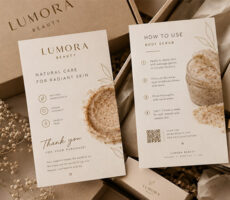
For many businesses, that means essentials such as Business Cards, Flyers, Postcards, Brochures, and branded stationery.
But the right combination depends on how your customers find you, what you sell, and how you interact with them.
A restaurant has very different printing needs from a consultant. A retailer may prioritize posters and packaging, while a real estate professional may rely more heavily on postcards, flyers, and business cards.
This guide breaks down the most useful small business printing products, what to order first, and how to choose materials that fit your business.
Key Takeaways
- Most small businesses should prioritize branding, promotional, and customer communication materials.
- Business cards, flyers, postcards, and brochures cover many common small business printing needs.
- The best print products depend on your industry and how customers interact with your business.
- Professional-quality printing starts with strong artwork, appropriate paper, and correct print preparation.
- Planning ahead can help businesses avoid unnecessary rush orders and reprints.
Essential Printing Products for Small Businesses
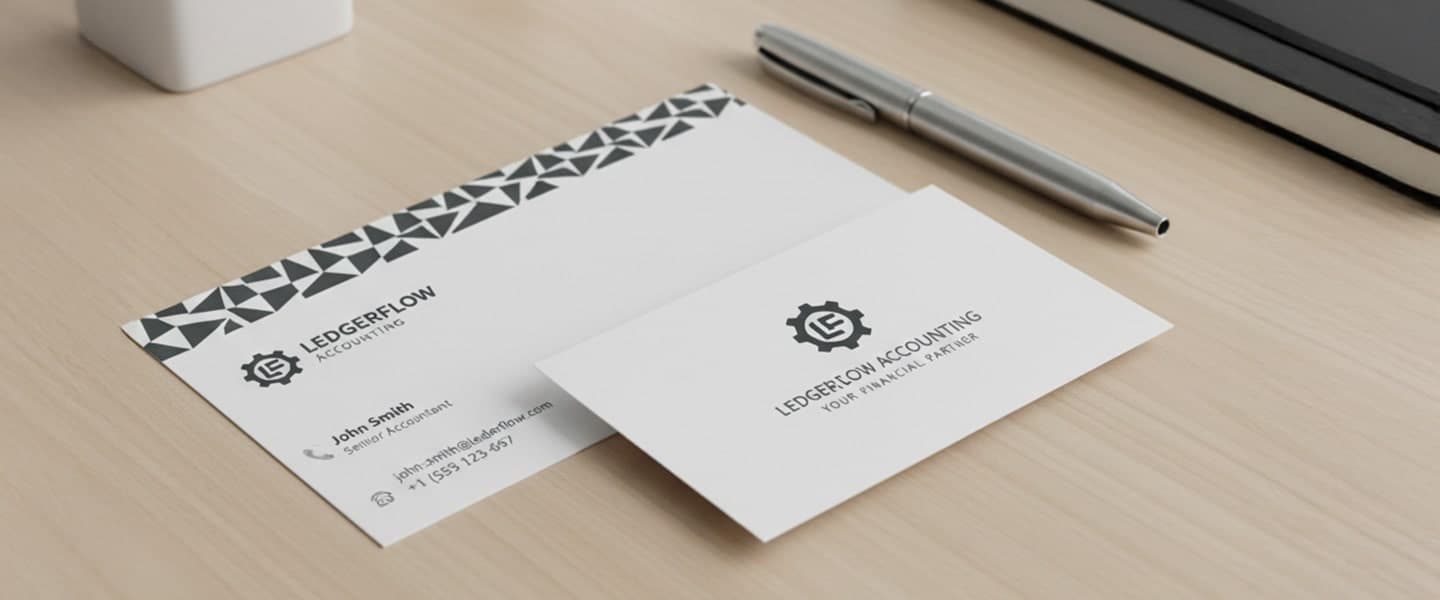
Your printed branding materials set the tone for how customers perceive you. Even if your business is mostly online, people expect professionalism when you hand them a card, mail a proposal, or follow up after a consultation.
Business Cards
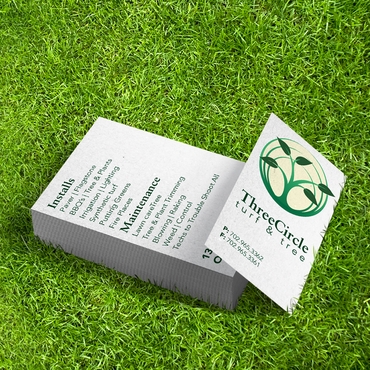
A high-quality business card is still the foundation of small business branding.
It’s the first physical impression many people will have of your company, and a well-designed card can lead to follow-up conversations, referrals, and long-term client relationships.
For ideas on how to stand out, check out How to Make Your Business Cards Stand Out.
Explore your product options: Business Cards
Letterhead and Envelopes
Branded Letterhead and Envelopes can create consistency across proposals, correspondence, client documents, and other business communications.
They’re especially relevant for professional services, consultants, agencies, real estate businesses, and other companies that regularly send physical documents.
Promo Materials (Flyers, Postcards, Brochures)
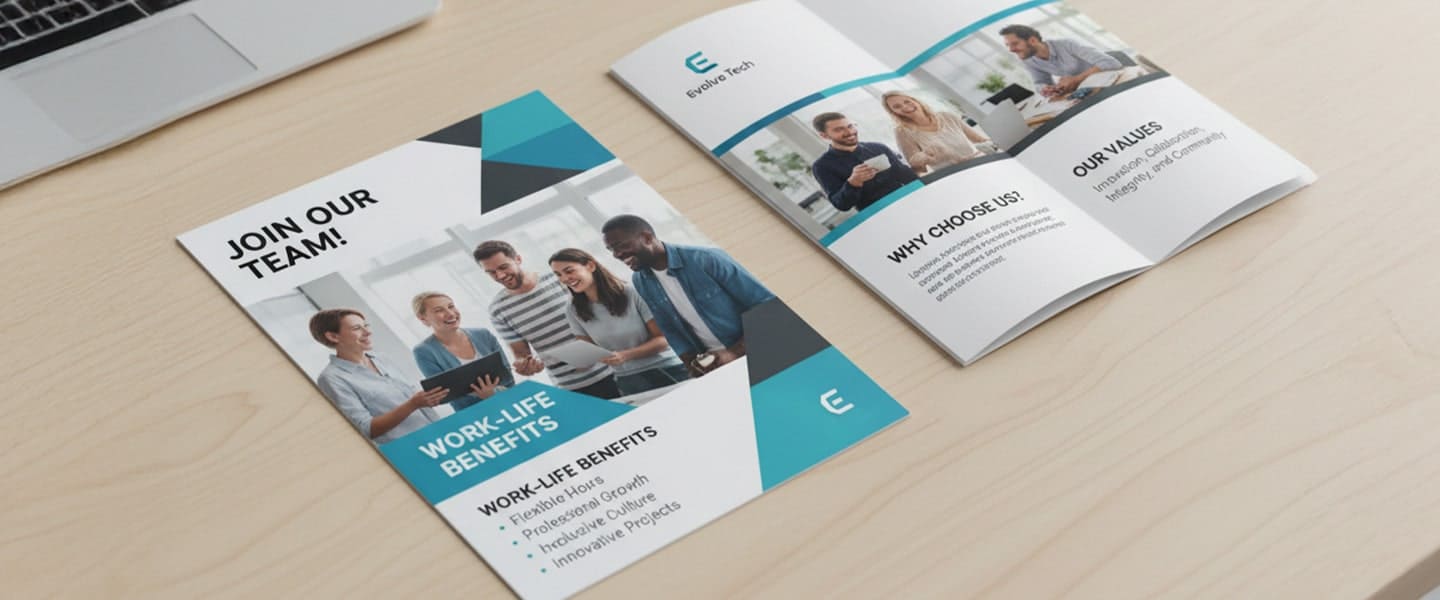
Promotional prints are where most small businesses see fast, measurable results. These materials help you attract customers, communicate offers, and show up in your community.
Flyers
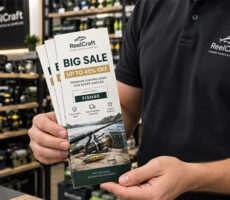
Flyers are a versatile option for local marketing.
Businesses can use them for:
- Promotions
- Events
- Grand openings
- New products
- Seasonal campaigns
- Local advertising
- In-store handouts
The most effective flyer doesn’t necessarily contain the most information.
A clear headline, strong visual hierarchy, concise message, and obvious CTA can make the information easier to process.
See What People Read First on a Flyer for more design guidance.
Postcards
Postcards can support both direct mail and in-person marketing.
Businesses use postcards for:
- Local promotions
- Customer reminders
- Event invitations
- Coupons
- Real estate marketing
- Seasonal offers
- Thank-you messages
Because the available space is limited, postcards work particularly well when a campaign has one clear message.
If you’re planning a direct mail campaign, our Postcard Mailing Size Guide explains how size and mailing requirements can affect your project.
Brochures
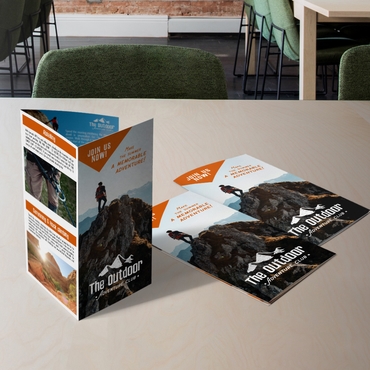
Some businesses need more room to explain what they offer.
Brochures provide space for:
- Services
- Product information
- Benefits
- Company information
- Images
- FAQs
- Testimonials
- Contact details
They’re particularly useful when customers need more information before making a decision.
Before designing yours, review our Brochure Design Checklist to avoid common layout and readability mistakes.
Stickers and Packaging Materials
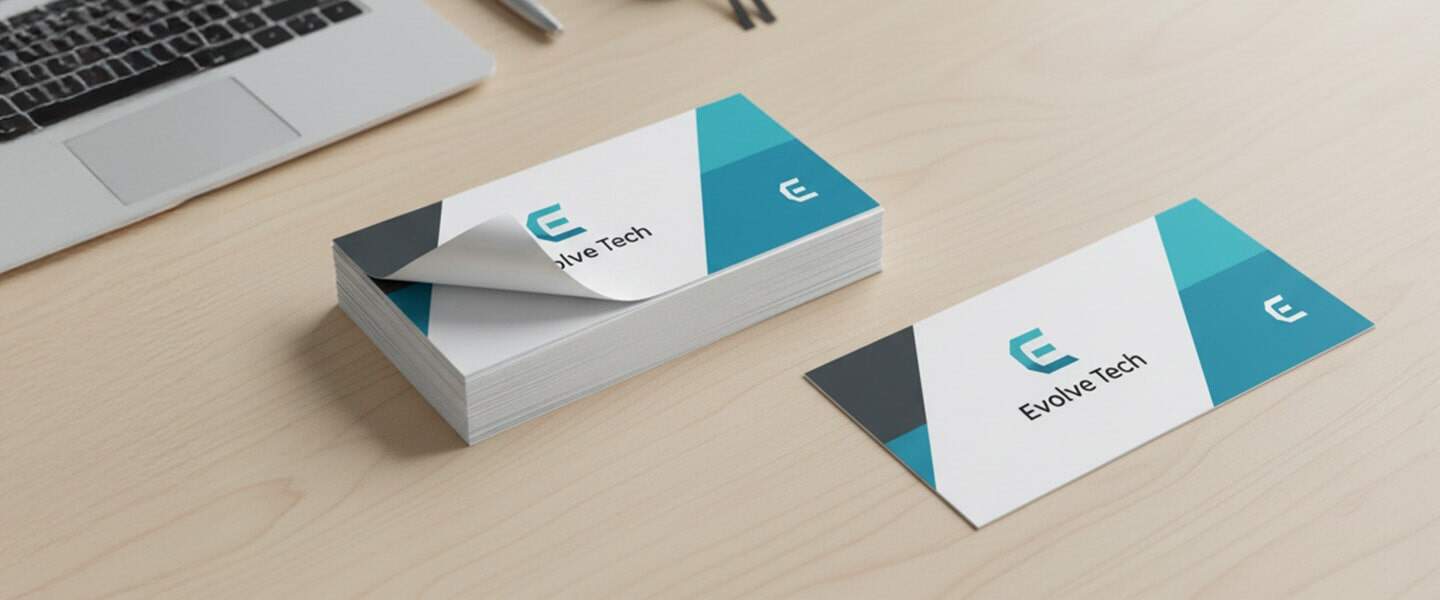
For businesses selling physical products, the customer experience continues after the sale.
Stickers can be used for packaging, product labels, giveaways, or promotional branding.
Custom Tissue Paper can add another branded element to product packaging.
These products can be particularly useful for boutiques, e-commerce brands, gift businesses, and other product-based companies.
Best Print Products for Different Types of Small Businesses
Different industries have different printing needs.
Real Estate Professionals
Useful products can include:
Postcards can support neighborhood marketing, while flyers and brochures provide more room for listings and property information.
Restaurants and Cafés
Restaurants can use:
- Flyers
- Postcards
- Posters
- Business Cards
- Stickers
These materials can support seasonal promotions, catering, events, new menu items, and local marketing.
Retail Stores and Boutiques
Retail businesses may prioritize:
- Posters
- Flyers
- Stickers
- Postcards
- Custom Tissue Paper
Posters and flyers can promote sales and new arrivals, while stickers and tissue paper extend branding into the customer experience.
Service-Based Businesses
Consultants, contractors, landscapers, agencies, and other service businesses can use:
- Business Cards
- Door Hangers
- Flyers
- Brochures
- Letterhead
The right mix depends on whether the business relies primarily on networking, neighborhood marketing, referrals, or consultations.
E-Commerce Businesses
Online businesses can extend their branding offline with:
- Stickers
- Postcards
- Greeting Cards
- Custom Tissue Paper
These materials can be included with orders for branding, customer communication, promotions, and repeat-purchase campaigns.
How Do Small Businesses Get Professional-Quality Prints?
Professional printing starts before the file reaches the printer.
Use High-Quality Images
Avoid stretching small images or using graphics that appear blurry or pixelated.
Design for Print
Digital and print files aren’t always prepared the same way.
Consider factors such as:
- Bleed
- Safe margins
- Image resolution
- Color mode
- Final dimensions
Our guide to CMYK vs. RGB for Professional Printing explains why colors can appear different on screen and in print.
Choose Paper Based on the Purpose
Don’t automatically assume thicker or more expensive paper is always better.
Think about how the material will be handled, distributed, and perceived.
A premium business card may benefit from a heavier stock, while a short-term promotional flyer has different requirements.
Keep Branding Consistent
Use consistent:
- Logos
- Colors
- Fonts
- Photography
- Tone
- Contact information
Customers should be able to recognize that different materials belong to the same business.
Proofread Before Ordering
Check:
- Names
- Phone numbers
- URLs
- Prices
- Dates
- Addresses
- QR codes
- Offers
Catching an error before printing is much easier than discovering it after hundreds of pieces arrive.
How to Choose a Printing Service for Your Small Business
When comparing printing services for a small business, don’t look only at price.
Consider the complete project.
Product Selection
Can you order the products you regularly need from the same provider?
Paper and Finish Options
Different campaigns may require different materials, finishes, and presentation levels.
Turnaround
If you regularly run seasonal promotions or events, production and delivery timing can become an important consideration.
Online Ordering
Look for a process that makes it easy to upload artwork, review your project, customize options, and reorder materials.
Print Quality
Professional printing should support the quality and consistency you want customers to associate with your brand.
The best printing solution is ultimately the one that fits your products, budget, timeline, and business needs.
Small Business Printing Tips That Can Save Time and Money
Start With Essential Products
Don’t order materials simply because other businesses use them.
Start with the products connected to your actual marketing and customer communication needs.
Create Reusable Templates
Use consistent layouts for recurring flyers, postcards, promotions, and other materials.
This can make future campaigns easier to prepare.
Avoid Overprinting Time-Sensitive Information
Be careful when printing large quantities containing dates, prices, employee names, or promotions that may change.
Combine Orders When Practical
Planning several upcoming campaigns together can make your printing workflow easier to manage.
Order Before You Need It
Last-minute ordering reduces flexibility.
Build printing into your campaign calendar rather than waiting until a few days before an event.
Seasonal Printing Checklist for Small Businesses
Printing needs can change throughout the year.
| Season | Print Ideas |
| Winter | Business cards, brochures, stationery, new-year promotions |
| Spring | Event flyers, postcards, posters, promotional materials |
| Summer | Rack cards, flyers, posters, tourism and event materials |
| Fall | Holiday postcards, greeting cards, seasonal promotions, packaging |
The exact schedule depends on your industry.
A tourism business may prioritize summer, while a retailer may invest more heavily in holiday materials.
Plan around your own business cycle, not simply the calendar.
Print Products Small Businesses Often Overlook
Presentation Folders
Presentation Folders can organize proposals, sales materials, onboarding documents, and client information.
Rack Cards
Rack Cards are useful for businesses that rely on visibility in hotels, visitor centers, waiting areas, retail counters, and other high-traffic locations.
Our Rack Cards vs. Brochures guide can help you decide when each format makes more sense.
Greeting Cards
Greeting Cards can support thank-you campaigns, holiday communication, and customer appreciation.
Booklets
When a brochure doesn’t provide enough space, Booklets can organize product catalogs, company information, training materials, event programs, and other detailed content.
See Custom Booklets for Business: 7 Ways Companies Can Use Them for more ideas.
Common Small Business Printing Mistakes to Avoid
Some of the most common problems happen before production begins.
Avoid:
- Using low-resolution images
- Overcrowding the design
- Choosing products based only on price
- Using inconsistent branding
- Ignoring bleed and safe margins
- Forgetting to proofread
- Ordering too many time-sensitive materials
- Waiting until the last minute
- Choosing a print format that doesn’t match the message
Most importantly, don’t start with:
“What should I print?”
Start with:
“What do I need this printed piece to accomplish?”
That question makes choosing the right product much easier.
Why Choose Overnight Prints for Small Business Printing?
Overnight Prints offers a wide range of custom printing products for small businesses, including Business Cards, Flyers, Postcards, Brochures, Posters, Stickers, and more.
Having multiple business printing products available in one place can also make it easier to maintain consistent branding across your marketing materials.
Choose products based on your business goals, customer journey, budget, and how each piece will actually be used.
Frequently Asked Questions
What are the most common printing needs for small businesses?
Common small business printing needs include business cards, flyers, postcards, brochures, branded stationery, posters, and packaging materials. The right combination depends on the type of business and how it communicates with customers.
What are the essential print products for a brand-new business?
Business cards are a useful starting point for many new businesses. From there, prioritize products based on your marketing strategy. A local service business might need flyers, while an e-commerce brand may benefit more from stickers and packaging materials.
What printing solutions are available for small businesses?
Small businesses can use print for branding, advertising, direct mail, customer communication, packaging, events, sales presentations, and in-store promotion.
How can small businesses get professional-quality prints?
Start with properly prepared artwork, high-quality images, correct dimensions, appropriate paper and finish choices, and consistent branding. Always review the printer’s file requirements before ordering.
What is the best printing service for a small business?
The best option depends on your specific needs. Consider product selection, print quality, customization options, turnaround, ordering experience, and whether the provider offers the materials your business regularly uses.
What should a small business print first?
Start with the products connected to your most important customer interactions. This may include business cards for networking, flyers for local promotion, postcards for direct mail, or brochures for explaining services.
Are business cards still important for small businesses?
They can be, particularly for businesses that rely on networking, referrals, meetings, consultations, or face-to-face customer interactions.
How can a small business save money on printing?
Prioritize essential materials, create reusable templates, plan orders ahead, avoid overprinting information that changes frequently, and choose products based on their actual purpose rather than automatically selecting premium options.
Conclusion
Small business printing doesn’t need to be complicated.
Start with what your business actually needs.
For many companies, the essentials are a combination of business cards for branding, flyers or postcards for promotion, brochures for detailed information, and stationery or packaging materials for customer communication.
From there, build your printing strategy around your industry, customer journey, marketing calendar, and budget.
The goal isn’t to print more.
It’s to choose print materials that have a clear job and support how customers discover, understand, and remember your business.
Explore custom Business Cards, Flyers, Postcards, Brochures, and other small business printing options from Overnight Prints.
Resources
- U.S. Small Business Administration (SBA) — Resources for small business marketing, planning, and operations.
- Federal Trade Commission — Advertising and Marketing — Guidance for businesses creating advertising and promotional materials.