Most business cards don’t fail because they look bad. They fail because they’re forgettable.
Clean design isn’t enough anymore.
You can have a nice logo, decent spacing, and readable text…
…and still end up with a card that gets thrown away within seconds.
Because in 2026, a business card has one job:
Be worth keeping
And that comes down to structure, not just style.
This guide breaks down the business card templates that actually work—plus real examples of why they do—so you can create something people don’t ignore.
What makes a business card template “work” today?
A good template isn’t just a layout.
It’s a structure that makes information easy to scan, understand, and remember.
The best-performing business card templates today all do three things well:
they guide the eye, prioritize the right information, and make it obvious what to do next.
If your card doesn’t do those things, it doesn’t matter how good it looks.
Template #1: The “Clear & Direct” layout (Best for most businesses)
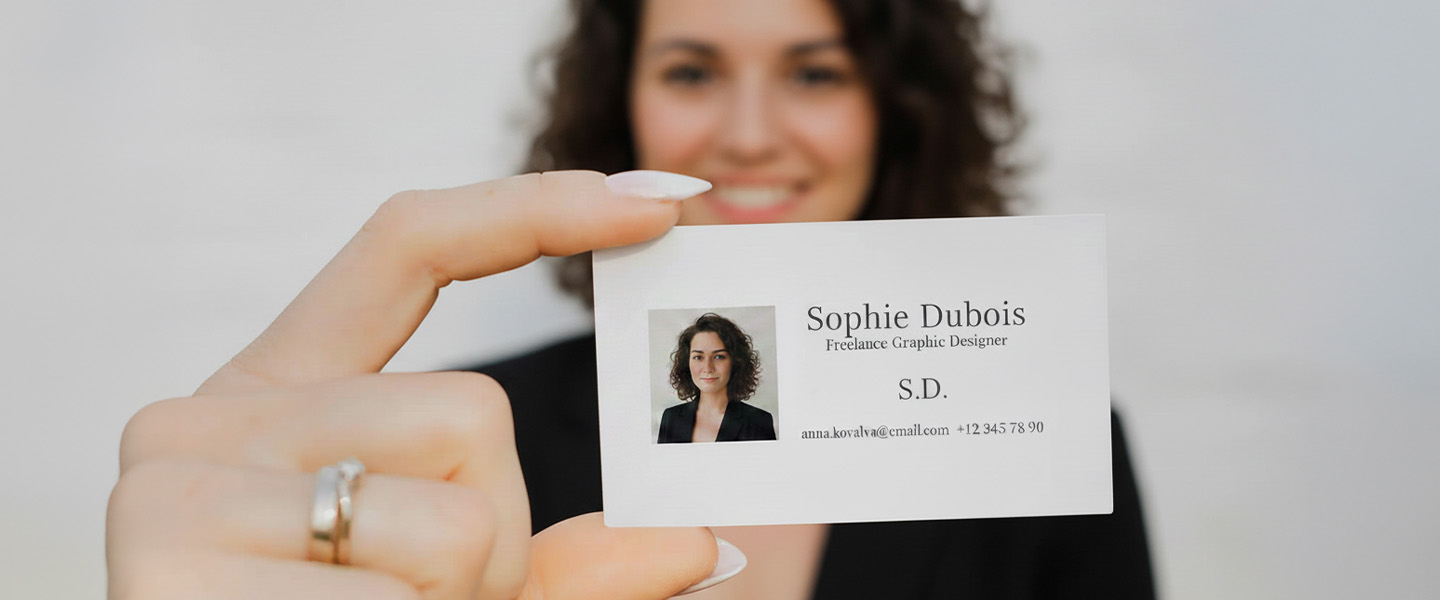
This is the template that works in almost every industry.
It’s simple, structured, and easy to scan.
You have:
- name and role at the top
- business name clearly visible
- contact information grouped cleanly
- enough spacing to avoid clutter
Nothing competes for attention.
This works especially well for service businesses, consultants, and professionals who want to look reliable and easy to contact.
If you’re unsure where to start, this is the safest and most effective option.
You can explore different formats and layouts here: which business cards should you choose
Template #2: The “One Strong Message” layout (Best for marketing impact)

Instead of listing everything, this template focuses on one idea.
That could be:
- a clear offer
- a tagline
- a positioning statement
The front side carries the message.
The back side supports it with contact details.
This works well when you want your card to do more than share information—it helps people remember why they should contact you.
If your business relies on referrals or first impressions, this approach tends to perform better than traditional layouts.
Template #3: The “Visual First” layout (Best for creative industries)
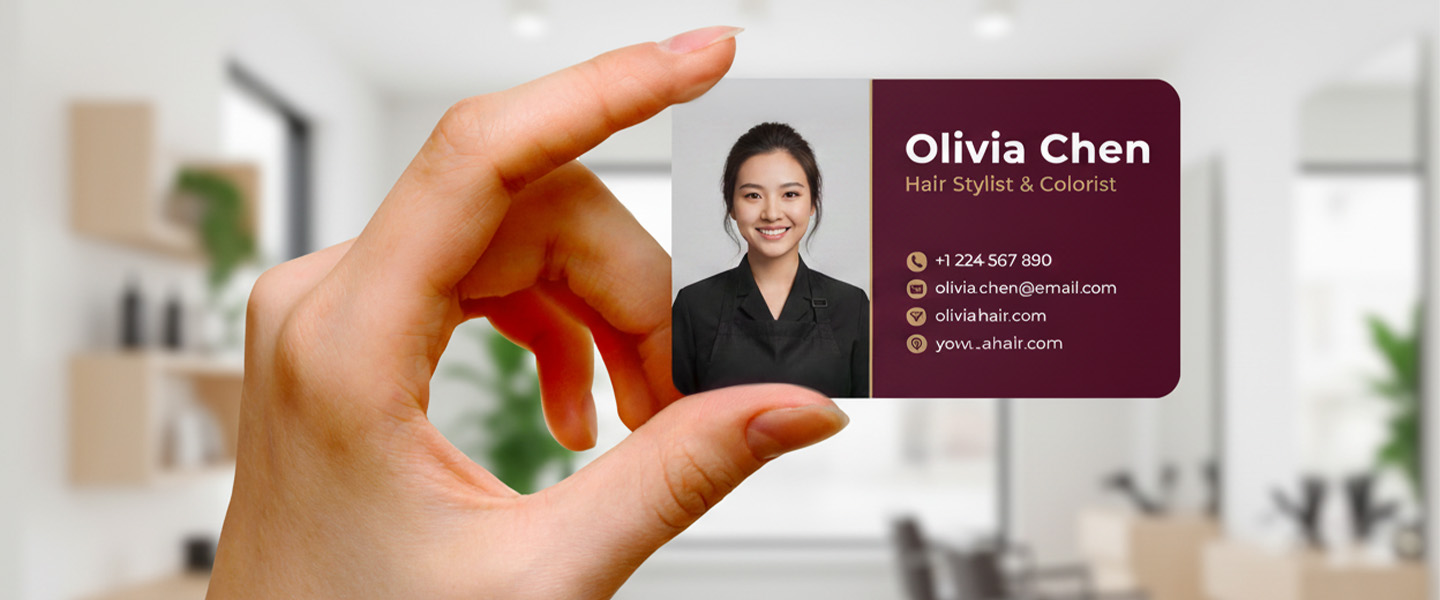
In this template, design leads.
Large imagery, bold colors, or strong branding elements take up most of the space, while text is minimal and placed strategically.
This is common for:
- designers
- photographers
- real estate agents
- personal brands
The goal isn’t to say everything.
It’s to create a strong visual memory.
But this only works if the design is intentional. If it’s just decorative, it won’t hold attention.
Template #4: The “Premium Feel” layout (Best for high-value services)
This template uses less content and more space.
Minimal text, strong typography, and high-quality paper create the impression.
These cards often feel heavier, cleaner, and more deliberate.
That’s because they rely on materials as much as design.
If you’re targeting high-end clients or want to position your brand as premium, this approach makes a difference.
For example, using thicker or layered cards like Ultra Thick Business Cards can completely change how your card is perceived.
Template #5: The “Back-Side Strategy” layout (Most overlooked, but powerful)
Most business cards waste the back side.
The best ones don’t.
Instead of leaving it blank, they use it for:
- a short list of services
- a mini portfolio
- a call to action
- a QR code
This gives your card a second purpose.
It’s not just contact information—it becomes a small marketing piece.
And that’s what increases the chances of it being kept.
Real examples: What these templates look like in practice
If you look at business cards that actually get results, you’ll notice a pattern.
They’re not overloaded.
They don’t try to say everything.
They focus on:
- one clear structure
- one clear message
- one clear action
That’s what separates a card that gets ignored from one that gets saved.
The most common mistakes (and why templates fail)
Templates don’t fail because they’re bad.
They fail because they’re misused.
The biggest issue is trying to fit too much information into a small space.
When everything is important, nothing stands out.
Another mistake is choosing a template based on looks instead of purpose.
A visually appealing layout doesn’t always perform if it doesn’t match your goal.
And finally, many businesses ignore how the card feels.
Paper quality, thickness, and finish affect perception just as much as design.
If you’re unsure how to structure your layout, this guide on breaks down what actually matters.
How to choose the right template for your business
Instead of asking:
👉 “Which template looks best?”
Ask:
👉 “What do I want someone to do after receiving this card?”
Your answer will guide everything.
If you want:
- quick contact → go with a clear layout
- memorability → go with a visual-first approach
- positioning → go with a premium layout
The template should support the outcome.
Not just the design.
Before you print your business cards
Even the best template won’t fix a weak message.
Before printing, make sure:
- your information is clear
- your layout is easy to scan
- your contact details are correct
- your card reflects your brand
If those are in place, the template will do its job.
Ready to print your business cards?
Once your design is ready, you can choose your format, finish, and quantity here: Business Cards
You’ll be able to customize your card based on how you want it to feel, not just how it looks.
Final takeaway
The best business card templates don’t try to impress.
They make it easy for someone to understand who you are—and what to do next.
And in most cases, that’s what actually gets results.