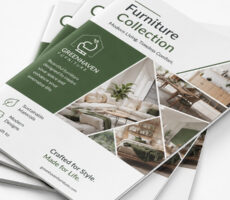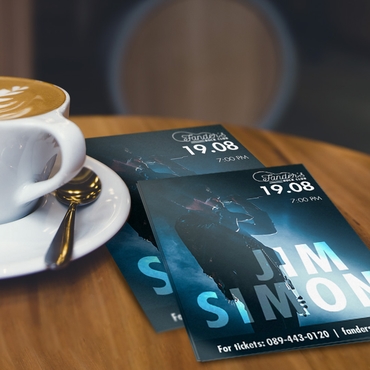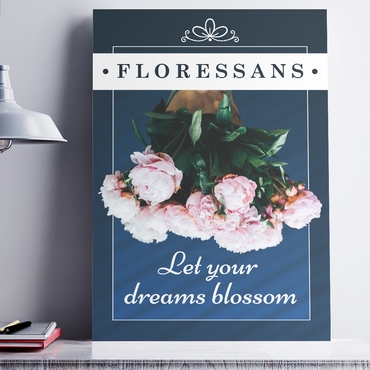
Good design doesn’t guarantee results. In many cases, print materials fail not because they look bad, but because they lack clarity, direction, or a strong reason to act.
If your business cards, flyers, or postcards aren’t generating responses, the issue is usually not visuality, it’s strategic.
Most materials are created with one goal in mind: to look good. However, in marketing, looking good is not the same as performing well.
A flyer can be beautifully designed and still fail to communicate anything meaningful.
A business card can feel premium and still be forgettable.
A postcard can catch attention, and still not lead to action.
That’s the gap most businesses don’t see.
This is what we’re going to break down, what’s actually holding your print materials back, and how to fix it so they don’t just look good, but actually work.
The Hidden Problem: You’re Optimizing for Looks, Not Action
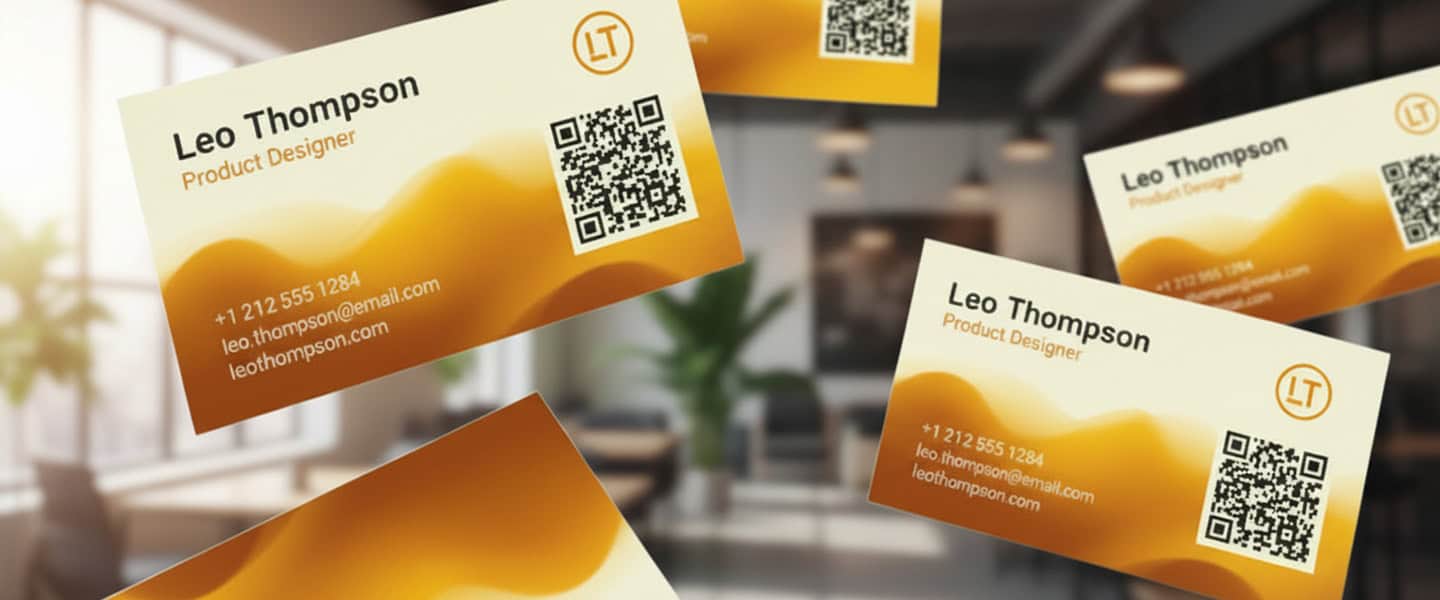
Most print materials today look… fine.
Clean layouts. Decent colors. Professional enough.
But they don’t convert.
And the reason is simple: They were designed to look good, not to do something.
There’s a difference between:
- “This looks nice”
- “This makes me take action”
Conversion lives in that gap.
What “Conversion” Actually Means in Print
In digital marketing, conversion is easy to track.
Clicks. Sign-ups. Purchases.
In print, it’s less obvious, but it’s still there.
Conversion means:
- Someone calls you
- Walks into your store
- Visits your website
- Saves your card
If none of that is happening, the material isn’t working, no matter how good it looks.
Where Things Start to Break
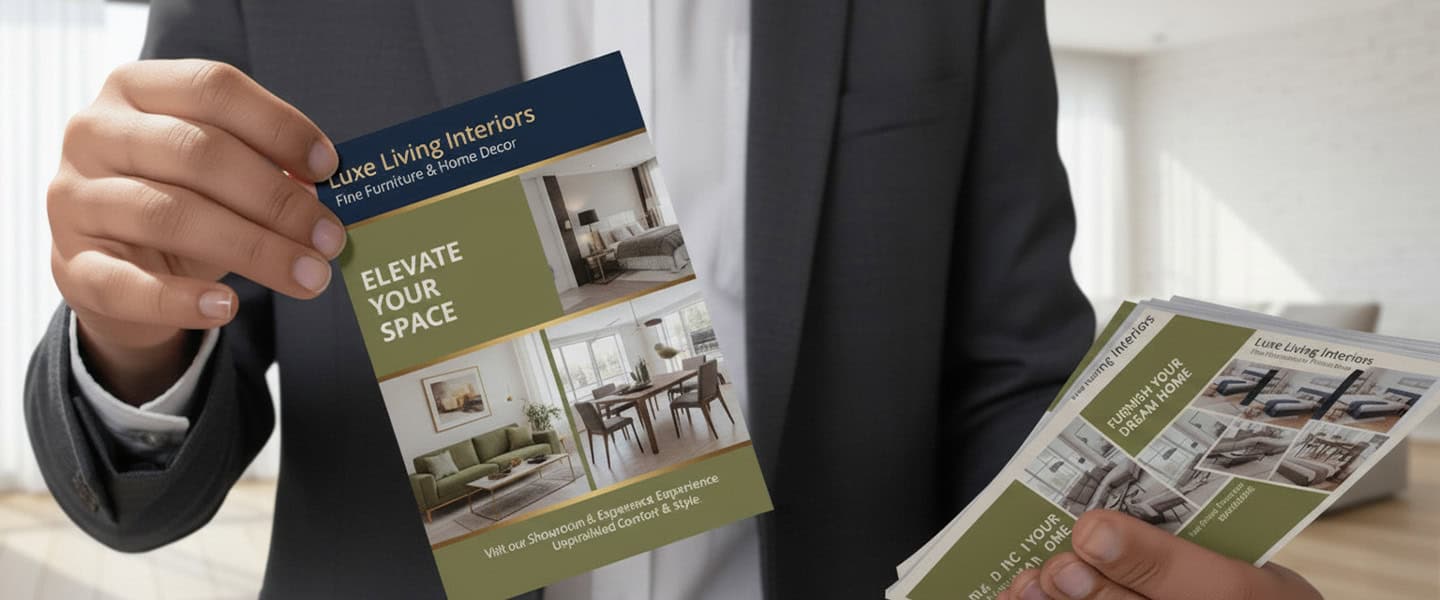
Most print materials fail at one of these points, not all, just one is enough.
The Message Isn’t Clear Enough
If someone needs more than a few seconds to understand what you do or what you’re offering, you’ve already lost them.
This is especially common with:
- Overloaded flyers
- Business cards with too much information
- Postcards trying to say everything at once
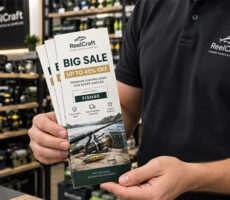
A simple Flyers or Postcards with one clear message will almost always outperform something more “complete.”
There’s No Real Reason to Act
A lot of print materials inform, but don’t motivate.
They say:
“Here’s who we are.”
But not:
“Here’s why you should do something now.”
Without a trigger, an offer, a deadline, a benefit, there’s no urgency.
And without urgency, there’s no action.
The Next Step Isn’t Obvious
Even when people are interested, they hesitate if the next step isn’t clear.
Should they:
- Call?
- Visit a website?
- Scan something?
If you give too many options, or none at all, people default to doing nothing.
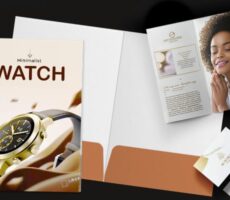
This is where even a well-designed Business Cards can fail, because it doesn’t guide what happens next.
The Design Doesn’t Match the Goal
Design matters but only if it supports the objective.
A visually impressive piece can still underperform if:
- The hierarchy is unclear
- The main message gets lost
- The layout distracts instead of guides
If you want to understand how design affects readability and response, this guide on
How to Design Print Materials That Actually Get Read (Not Thrown Away) breaks it down in a practical way.
The Shift: From “Nice” to “Effective”
To improve results, the mindset has to change.
Instead of asking:
“Does this look good?”
Ask:
“What is this supposed to do?”
Every print piece should have one job:
- Get a call
- Drive a visit
- Promote an offer
- Create recognition
If it’s trying to do multiple things, it usually ends up doing none of them well.
What High-Performing Print Materials Have in Common
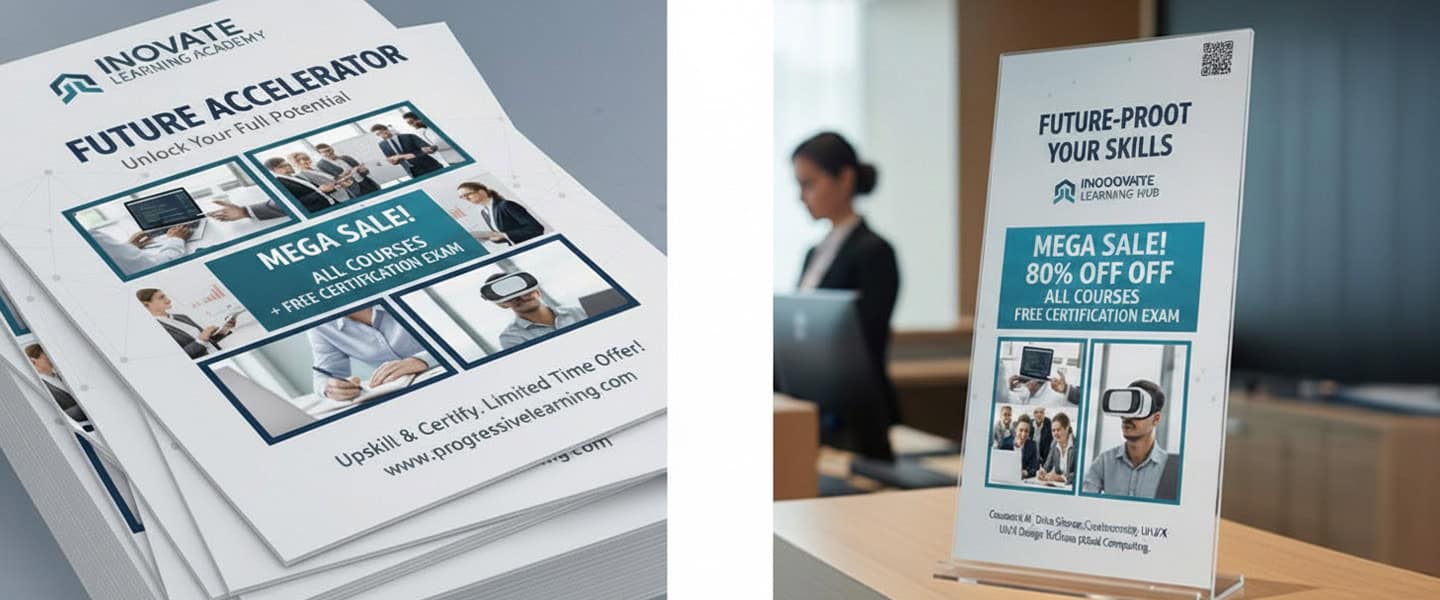
They’re not more complex. They’re more focused.
They:
- Highlight one main idea
- Make the benefit obvious
- Lead to one clear action
That’s it. No extra layers. No unnecessary details.
Just clarity.
A Simple Way to Test Your Own Materials
Before printing (or reprinting), look at your design and ask:
“If someone sees this for 3–5 seconds, will they know what to do next?”
If the answer is unclear, that’s where the problem is.
Not in the colors. Not in the paper.
In the message.
Final Thought
Print doesn’t fail because it’s outdated. It fails when it’s treated like decoration instead of a tool.
The goal isn’t to impress people. It’s to move them.
And the moment you design with that in mind, everything changes.
Ready to Improve Your Print Strategy?
Explore options that are built for clarity and action: Overnight Prints