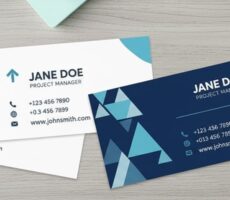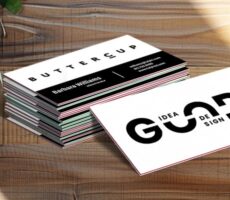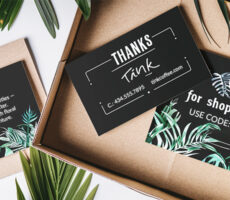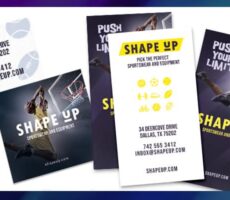
Most “cheap” business cards end up costing more. They bend, fade, and get thrown away, forcing you to reprint sooner than expected.
If you’re trying to save money, the real question isn’t which card is cheapest… it’s which one actually lasts and makes an impression.
For many small businesses, business cards are one of the first print decisions made each year and one of the most repeated.
They’re handed out at events, left on counters, exchanged in meetings, and tucked into packaging. Because of that frequency, it’s natural to search for cheap business card printing.
But “cheap” today doesn’t mean low quality. It usually means affordable, reliable, and smartly chosen. Many small businesses today are looking for budget business cards that still represent their brand professionally.
Understanding how different print formats are priced — and what actually affects long-term cost, helps put business card decisions in context. A broader overview of how small businesses should evaluate printing choices is covered in The Complete Small Business Guide to Printing Services.
This guide explains how different business card styles compare in terms of real value, not just upfront price, and which option makes the most sense depending on how you actually use your cards.
What “Affordable Business Cards” Really Means in 2026
Affordability in printing is often misunderstood.
A business card that costs less per unit can become expensive if it bends, fades, or needs to be reprinted frequently. Meanwhile, a slightly higher-cost card that lasts longer or makes a stronger impression can reduce long-term spend.
That’s why affordable business cards should be evaluated based on:
- Longevity
- Durability
- Perceived professionalism
- Frequency of replacement
Value comes from fit, not from the lowest price tag.
This same principle applies across many print decisions: speed, material, and use case often matter more than the lowest unit price, especially when reprints are involved: Fast Printing vs Cheap Printing: What Matters More for January Sales?
Which Business Card Should You Choose Based on Your Budget?
Two businesses can order the same number of cards for the same budget and get completely different results.
The difference usually lies in how the card is used:
- High-volume distribution vs selective hand-offs
- Casual networking vs formal meetings
- Short-term promotion vs long-term brand presence
Choosing the wrong style often leads to wasted cards, faster reorders, or a mismatch between brand and presentation.
Most businesses don’t realize their card is hurting first impressions.
Standard Business Cards: Best Value for High-Volume Use

Standard business cards are often the most affordable entry point and still the right choice for many businesses looking for reliable budget business cards they can distribute frequently.
They’re ideal when cards are handed out frequently or placed in public locations. When designed well, they look clean and professional without requiring special finishes.
A common question SMBs ask is:
Are standard business cards too basic to make an impression?
Not necessarily. Most “cheap-looking” cards fail because of overcrowded layouts or poor typography, not because of the card style itself.
Card size and layout choices also play a role in how professional a standard card feels. Many issues attributed to “cheap cards” are actually design or size mismatches: standard vs euro business card sizes.
Product link: Business Cards
Premium Business Cards: Value Through Perception
Premium business cards are not about volume—they’re about context.
They’re often used when the card represents the business in higher-stakes situations: client meetings, proposals, or introductions where credibility matters.
From a value perspective, premium cards make sense when:
- Fewer cards are handed out
- Each interaction carries weight
- First impressions directly affect trust
For budget-conscious SMBs, the key is controlled usage, not avoidance.
Product link: Business Cards
Euro Business Cards: Affordable Differentiation Without Luxury Pricing
Euro business cards offer a subtle size difference that makes them stand out—without requiring premium materials.
They’re often chosen by businesses that want differentiation but still need affordability. Because the change is structural rather than decorative, Euro cards remain cost-effective while being more memorable.
A frequent concern is:
Will Euro business cards still feel practical?
Yes. They fit most wallets and card holders and are often remembered precisely because they’re slightly unexpected.
Subtle differentiation tends to outperform decorative gimmicks. Format changes often draw more attention than finishes when budgets are limited: Flyers vs Posters vs Rack Cards: Which Format Gets More Local Attention?
Product link: European Business Cards
Fat (Thick) Business Cards: Fewer Cards, Longer Lifespan
Thick business cards deliver value through durability.
They resist bending, feel substantial, and are less likely to be discarded. For businesses that give out cards selectively, thick cards often reduce long-term reprint frequency.
This reframes the common question: Are thick business cards affordable for small businesses?
They can be, especially when printing fewer cards and using them strategically.
Product link: Fat Business Cards
Comparison Table: Which Business Card Style Gives the Best Value?
| Card Style | Best Use Case | Durability | Perceived Value | Cost Efficiency |
| Standard Business Cards | High-volume handouts, everyday use | Moderate | Professional when well designed | Very high |
| Premium Business Cards | Client meetings, formal introductions | High | Elevated and polished | High (when used selectively) |
| Euro Business Cards | Standing out affordably | Moderate-high | Distinctive without luxury pricing | High |
| Fat / Thick Business Cards | Selective, high-impact distribution | Very high | Memorable and substantial | High over time |
How to Choose Budget Business Cards That Still Look Professional
Rather than asking which option is cheapest, SMBs get better results by asking:
- How often will I give this card out?
- Does this card represent my brand in important moments?
- How long do I want this card to last?
Value appears when those answers align with the card style.
Standard vs Premium vs Thick Business Cards (Quick Comparison)
| Card Type | Best For | Cost | Durability | Impression |
|---|---|---|---|---|
| Standard | High-volume use | Low | Medium | Clean & practical |
| Premium | Client meetings | Medium | High | Polished & professional |
| Thick (Fat) | Selective handouts | Higher | Very high | Strong & memorable |
Best budget choice: Standard
Best impression: Thick cards
Best balance: Premium cards
Why “Cheap Business Card Printing” Needs a New Framing
Search trends still use the word cheap, but intent has evolved.
Most SMBs want:
- Affordable business cards
- Reliable quality
- A card that won’t hurt their credibility
That’s why the smartest choice is rarely the cheapest option, it’s the best value for how the card is used.
Should You Mix Business Card Styles?
Many businesses get the best value by mixing styles.
For example:
- Standard cards for everyday use
- Premium or thick cards for important meetings
This approach keeps costs predictable while maximizing impact where it matters.
So… Which Business Card Is Actually the Best Value?
Affordable business cards are not about cutting corners, they’re about choosing the right format for the right moment. The best budget business cards balance cost, durability, and presentation.
When card style, usage, and budget are aligned, even budget-friendly business cards can feel intentional, professional, and effective.
As print continues to evolve, value is increasingly tied to usability, material choice, and restraint rather than visual excess: Print Trends for 2026: Designs, Colors & Finishes