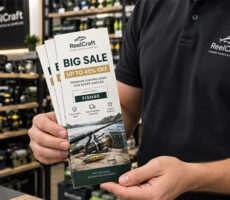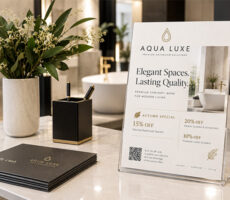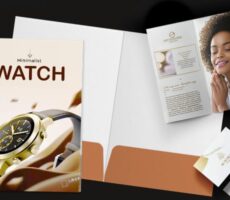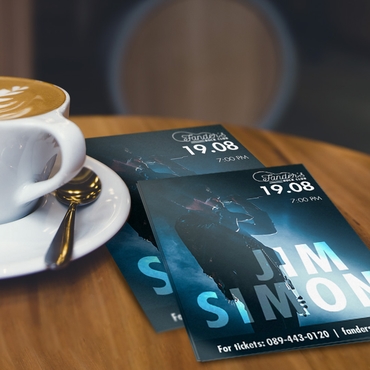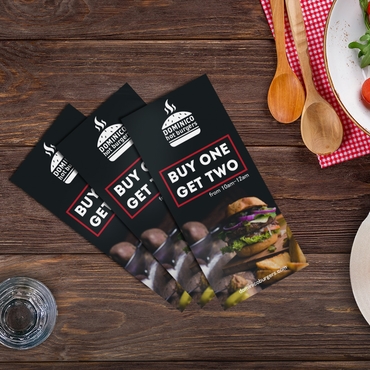
Rack cards work better than flyers when businesses want long-term visibility in physical locations where customers naturally browse information. Flyers are usually better for fast promotions and direct distribution, while rack cards are designed for passive discovery and repeated exposure.
That difference matters more than most businesses realize.
In 2026, local marketing is not only about getting attention — it’s about getting attention in the right environment. Businesses often choose print materials based on cost or familiarity instead of thinking about how customers will actually interact with them in real life.
And that’s usually where marketing performance starts to break down.
A flyer handed to someone on the street creates one kind of interaction.
A rack card sitting inside a hotel lobby creates another completely different experience.
Neither format is automatically better.
The real advantage comes from understanding when customers are most likely to notice, keep, and act on the information.
Rack Cards Are Built for Passive Attention
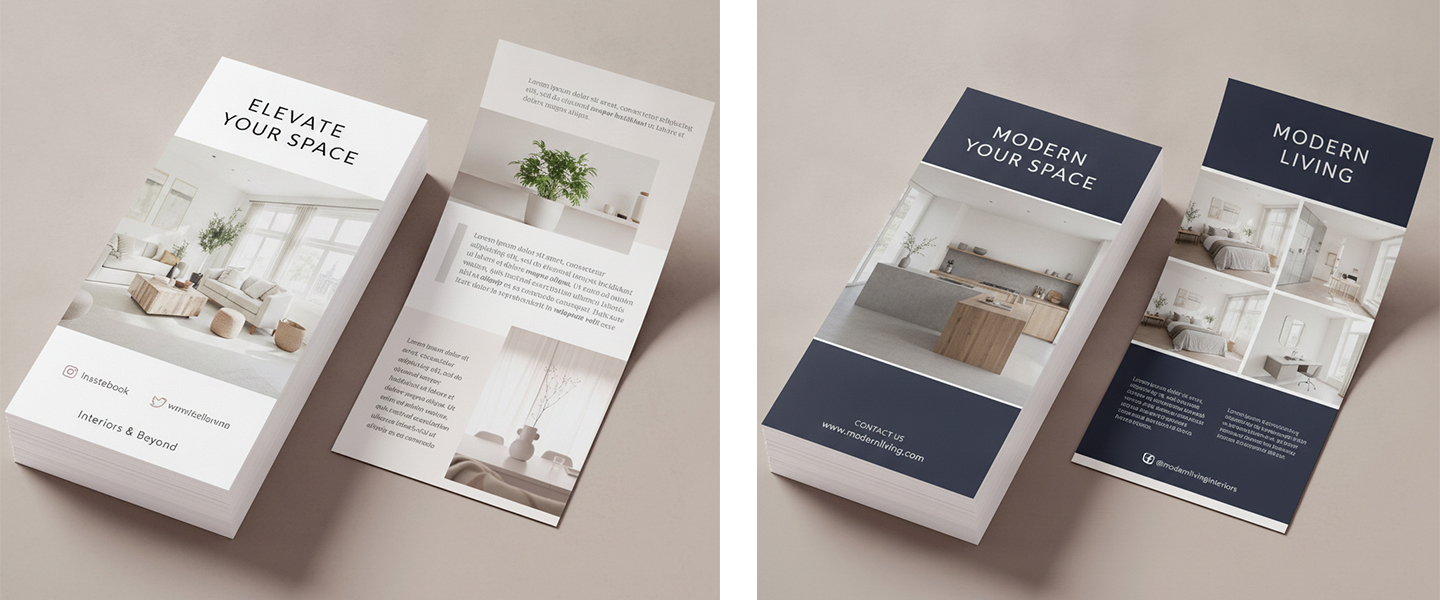
This is the biggest difference between rack cards and flyers.
Flyers are designed for direct exposure.
Rack cards are designed for discovery.
That changes how customers engage with them psychologically.
A flyer usually interrupts someone:
- at an event
- on the street
- inside a package
- during a promotion
A rack card works more quietly.
Customers often find rack cards while already looking for information:
- inside cafés
- hotel lobbies
- tourism centers
- waiting rooms
- salons
- restaurants
- reception desks
- retail counters
This environment matters because people are already mentally open to exploring recommendations, activities, services, or local businesses.
That creates more intentional engagement.
Instead of feeling like an advertisement forced into their hands, rack cards often feel more like helpful information customers chose to pick up themselves.
Flyers Usually Prioritize Speed
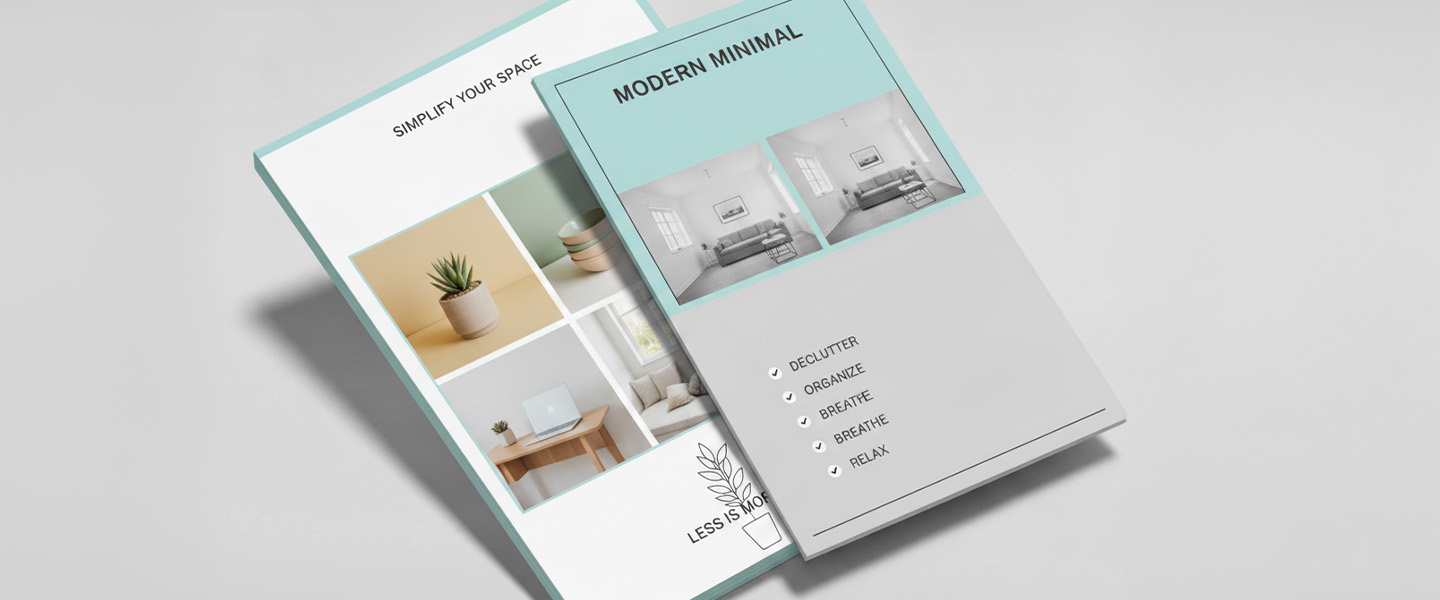
Flyers still work extremely well.
But they solve a different marketing problem.
Most flyers are designed for:
- immediate awareness
- short-term promotions
- fast visibility
- event announcements
- temporary campaigns
That’s why flyer marketing often depends heavily on:
- bold headlines
- large discounts
- strong calls to action
- quick readability
The customer interaction tends to happen very quickly.
Businesses commonly distribute flyers:
- by hand
- door-to-door
- at local events
- inside shopping areas
- through community campaigns
And because flyers usually rely on fast attention, businesses often need stronger visual urgency to compete effectively.
Rack cards work differently because they don’t rely as heavily on interruption.
They rely more on presence.
Businesses deciding between direct distribution and passive visibility should also consider when flyers outperform other marketing channels. Our guide on When Should You Use Flyers Instead of Digital Ads? (Real Scenarios That Still Work) explains why flyers continue delivering strong results for local promotions and time-sensitive campaigns.
Rack Cards Often Stay Visible Longer
One reason rack cards continue performing well for local businesses is because they remain physically displayed for extended periods of time.
A flyer may disappear after a few minutes.
A rack card inside:
- a hotel
- visitor center
- tourism stand
- spa
- waiting room
may stay visible for days or weeks.
That repeated exposure creates familiarity.
And familiarity plays a huge role in local marketing.
Customers may not immediately act after seeing a rack card once. But repeated visibility often increases:
- recognition
- trust
- curiosity
- future recall
This is especially important for businesses depending on tourism, hospitality, or foot traffic.
A restaurant rack card inside nearby hotels can continue attracting customers long after the original placement.
The same applies to:
- local attractions
- entertainment venues
- salons
- real estate developments
- museums
- tour companies
Rack cards perform best when businesses benefit from ongoing local visibility instead of one-time promotional bursts.
The Physical Design of Rack Cards Changes Customer Behavior
The vertical format of rack cards naturally changes how information is organized.
Unlike flyers, which often become visually crowded, rack cards usually force businesses to simplify the message.
That limitation is actually a strength.
Customers scan rack cards quickly because:
- the format feels structured
- information is vertically prioritized
- designs tend to feel cleaner
- the layout encourages readability
In many cases, rack cards feel more curated and intentional than traditional flyers.
And customers notice that difference subconsciously.
This is one reason rack cards are often used by businesses that want to appear:
- more professional
- more organized
- more established
- more premium
especially in tourism-heavy or hospitality-focused environments.
Distribution Strategy Matters More Than Businesses Expect
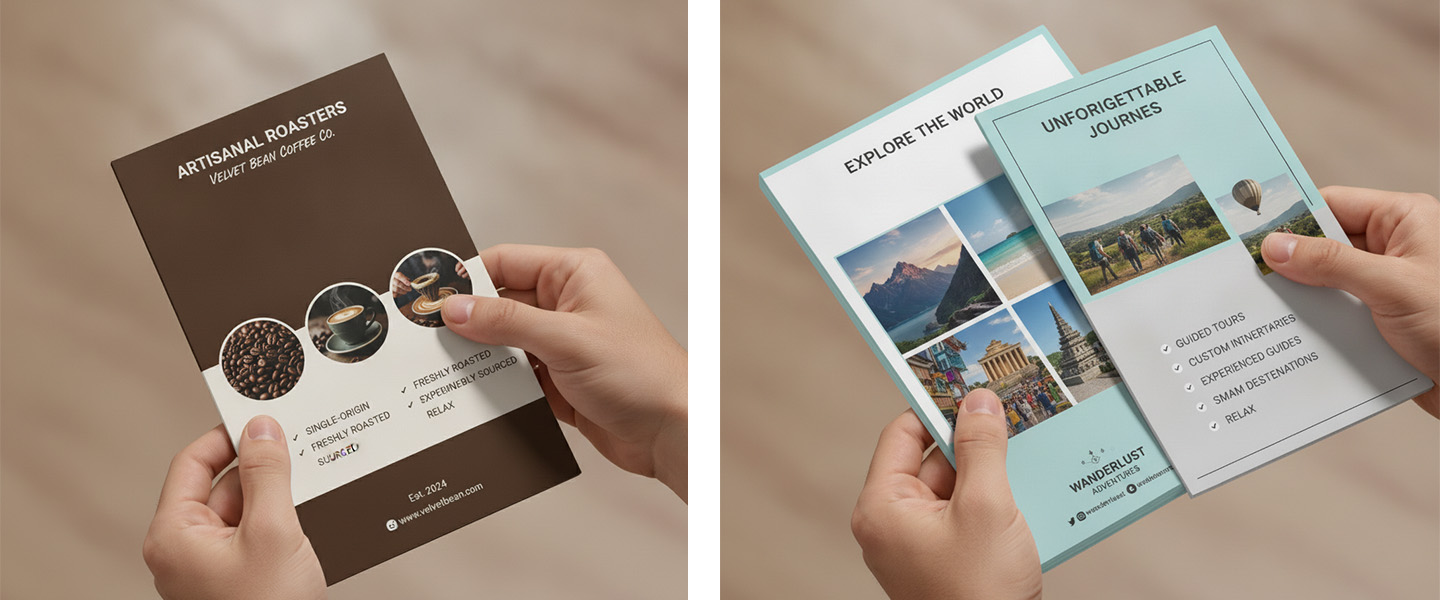
One of the biggest mistakes businesses make is using the right print format in the wrong environment.
For example:
- a flyer may work better for a local grand opening
- but a rack card may perform much better inside nearby hotels afterward
A fitness studio promoting a limited-time membership discount might benefit from flyer distribution near shopping centers.
Meanwhile, a local winery may benefit more from rack cards placed in tourism areas where customers actively search for experiences.
The print format should always match:
- customer behavior
- location
- timing
- visibility goals
Not every marketing campaign needs interruption.
Sometimes passive discovery works much better.
The effectiveness of any print format depends heavily on where and how customers encounter it. If you’re planning a local campaign, our article on Postcards for Local Marketing: What Actually Works in 2026 explores how businesses use different print materials to increase visibility and customer engagement in their communities.
Quick Comparison: Rack Cards vs Flyers
| Feature | Rack Cards | Flyers |
| Best Use | Passive local visibility | Fast promotions and announcements |
| Customer Interaction | Self-discovery | Direct distribution |
| Common Locations | Hotels, counters, waiting rooms | Streets, events, door-to-door |
| Lifespan | Longer-term visibility | Short-term visibility |
| Design Style | Structured and cleaner | More promotional and urgent |
| Best For | Tourism, hospitality, local discovery | Sales, events, quick campaigns |
| Attention Style | Gradual and repeated | Immediate and fast |
After the table, continue naturally:
Neither format replaces the other completely. In fact, many of the strongest local marketing campaigns combine flyers and rack cards strategically depending on where and how customers encounter the business.
Rack Cards Work Especially Well for Local Discovery
This is where they outperform many other print formats.
When customers travel, wait, browse, or explore unfamiliar areas, they naturally look for recommendations.
Rack cards fit perfectly into that behavior.
That’s why businesses in:
- tourism
- hospitality
- dining
- entertainment
- wellness
- local attractions
continue using them successfully even as digital marketing becomes more crowded.
Physical visibility still matters heavily in local environments.
And rack cards create a quieter, less aggressive type of marketing that often feels more trustworthy to customers.
Many businesses combine rack cards with brochures to provide additional information once customers express interest, especially in tourism, hospitality, and real estate environments.
Print Quality Still Changes Perception
Even the best placement strategy won’t work if the materials feel cheap.
Customers notice:
- thin cardstock
- blurry colors
- cluttered layouts
- weak branding
- poor readability
almost immediately.
This is especially important for businesses using rack cards because customers often compare multiple cards side-by-side in display stands.
Professionally printed materials naturally stand out more because they feel more polished and intentional.
If you want to improve overall local print performance, this guide on when local print marketing works better than ads explains why physical visibility still performs strongly for neighborhood-based businesses.
Design and print quality often determine whether customers keep or ignore marketing materials. For additional tips, read How to Design Print Materials That Actually Get Read (Not Thrown Away) to learn how layout, messaging, and visual hierarchy influence customer attention.
Businesses looking to build a complete local marketing strategy often pair rack cards with postcards for direct outreach and door hangers for neighborhood targeting, creating multiple touchpoints throughout the customer journey.
Final Thoughts
Rack cards and flyers are designed for different types of customer attention.
Flyers work best for immediate visibility and fast promotions.
Rack cards work best for passive discovery and repeated local exposure.
The businesses that get the strongest results are usually the ones choosing print formats based on:
- customer behavior
- physical environment
- visibility goals
- distribution strategy
instead of simply printing whichever format feels most familiar.
Local print marketing still works extremely well — especially when businesses understand how customers actually interact with physical materials in the real world.
Explore professional Rack Cards and Flyers at Overnight Prints to create local marketing materials designed for real-world visibility and engagement.