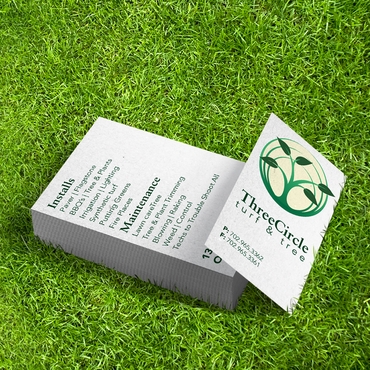
Most business cards look the same and most of them get ignored.
Not because business cards don’t work, but because the wrong type gets chosen.
If you’ve ever asked yourself:
- “Should I go premium or standard?”
- “Does thickness really matter?”
- “What actually works for my industry?”
This guide gives you a clear answer based on your situation, not just options.
Quick Answer (If You’re in a Hurry)
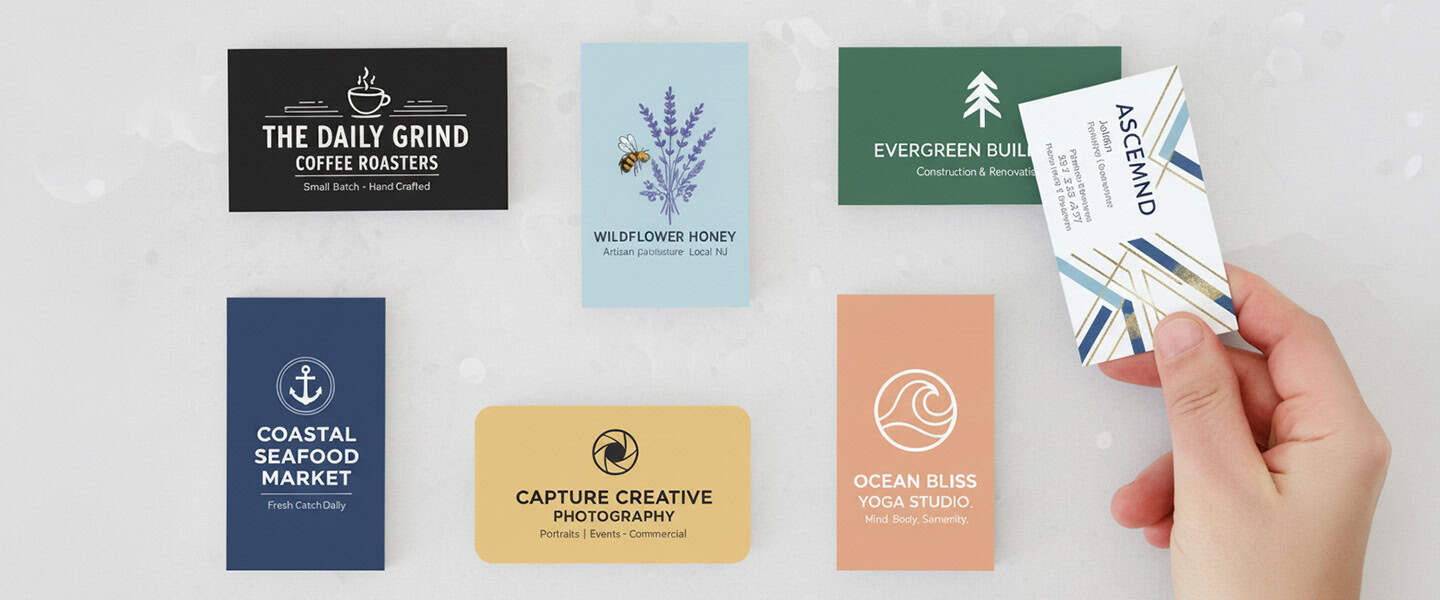
- On a budget? → Go with Standard Business Cards
- Want to stand out professionally? → Choose Premium Business Cards
- Creative or modern brand? → Try Euro Business Cards
- High-end / luxury feel? → Go for Ultra Thick Business Cards
The best choice depends on how you use them, not just how they look.
First: What Actually Makes a Business Card “Work”?
Before choosing a type, understand this:
A business card works when it:
- Gets kept (not thrown away)
- Feels aligned with your brand
- Makes it easy to remember and contact you
If you haven’t thought about what to include, this guide on: Business Card Sizes Explained: US vs Euro vs Square can help you understand format choices first.
By Budget: What Should You Choose?
If You’re on a Tight Budget
Go with: Business Cards
- Clean, professional, and cost-effective
- Perfect for:
- Networking events
- High-volume distribution
- Startups and small businesses
Best strategy: keep it simple, readable, and focused.
If You Want to Look More Established
Go with: Premium Business Cards
- Better paper quality and finishes
- Creates a stronger first impression
Ideal for:
- Consultants
- Lawyers
- Real estate agents
If your goal is to look more credible from the first interaction, you might also like:
What Makes a Business Look “Established” at First Contact
If You Want a High-End Feel
Go with: Ultra Thick Business Cards
- Noticeably heavier
- Feels premium the moment someone touches it
Best for:
- Luxury services
- Creative agencies
- High-ticket businesses
Matte vs Glossy Business Cards: Which Should You Choose?
The finish of your business card can influence how people perceive your brand.
Choose Matte Business Cards If:
- You want a clean, modern appearance
- You prefer a softer, more professional look
- Readability is important
- You want a subtle premium feel
Matte finishes are especially popular among consultants, attorneys, financial professionals, and corporate businesses.
Choose Glossy Business Cards If:
- You use vibrant colors in your branding
- Your design includes photography or graphics
- You want maximum visual impact
- Your business is focused on products or retail
Glossy finishes make colors appear brighter and more saturated, helping designs stand out visually.
In 2026, matte business cards continue to dominate professional industries, while glossy finishes remain popular among retail, hospitality, and creative businesses.
Standard vs Premium Business Cards: Is the Upgrade Worth It?
Many businesses debate whether premium business cards are worth the additional investment.
The answer depends on how important first impressions are in your industry.
| Feature | Standard Business Cards | Premium Business Cards |
|---|---|---|
| Cost | Lower | Higher |
| Paper Quality | Standard | Enhanced |
| Thickness | Standard | Heavier |
| First Impression | Professional | More memorable |
| Best For | Large distribution, events | Consultants, real estate, professional services |
If you hand out hundreds of cards every month, standard business cards often provide the best value.
If you rely on personal relationships, referrals, or high-value clients, premium business cards can help reinforce professionalism and credibility from the very first interaction.
For many businesses, premium business cards offer the best balance between affordability and impact.
How to Choose the Right Business Card in 2026
Choosing the right business card isn’t about picking the most expensive option—it’s about choosing the card that supports your goals.
Before placing an order, ask yourself:
- How often will I hand out cards?
- Who will receive them?
- What impression do I want to create?
- Is my goal to build credibility, stand out, or communicate luxury?
For example, a real estate agent attending networking events may benefit from premium business cards that feel more substantial in hand. A startup attending trade shows may prefer standard business cards that allow for larger quantities at a lower cost.
The best business card in 2026 is the one that matches your brand, your audience, and the way you actually use it.
By Industry: What Actually Works
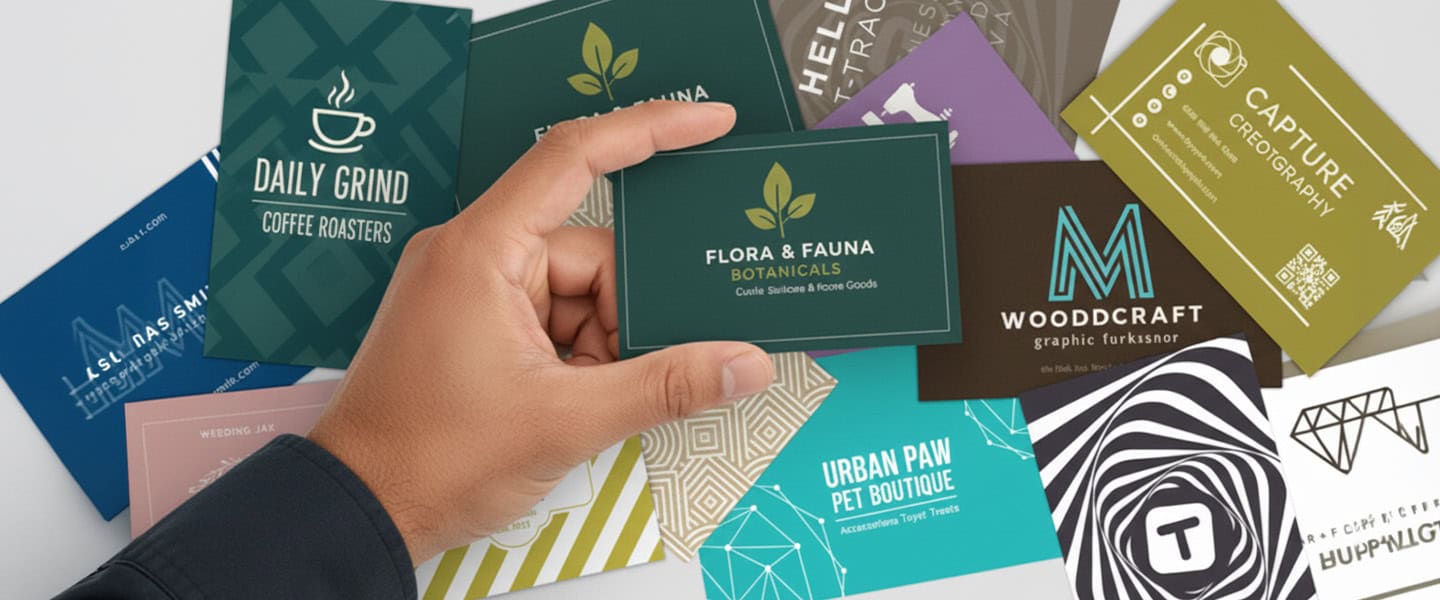
Real Estate
Best options:
- Premium Business Cards
- Euro Business Cards
Why:
- You’re building trust fast
- You need to stand out among many agents
Pair them with postcards or open house materials for better results:
Spring Real Estate Postcards: Farming, Just Listed & Open House Campaigns That Convert
Corporate / Professional Services
Best options:
- Premium Business Cards
- Business Cards
Why:
- Clean, simple = trust
- Overdesign can hurt credibility
Creative / Personal Brands
Best options:
- Euro Business Cards
- Sandwich Business Cards
Why:
- Shape and color can differentiate you instantly
- You’re selling creativity → your card should reflect it
Small Businesses & Retail
Best options:
- Business Cards
- Premium Business Cards
Bonus tip: Use your card as a mini flyer or offer (QR code, discount, etc.)
Business Card Design Tips That Still Matter in 2026
Business card design trends may change, but certain principles consistently improve results.
Keep Information Easy to Find
Your name, company, phone number, email, and website should be immediately visible. If someone has to search for your contact information, the design is working against you.
Avoid Clutter
Trying to fit too much information onto a small card often creates confusion. Focus on the essentials.
Use Readable Fonts
Decorative fonts may look interesting, but readability should always come first.
Include a QR Code When Relevant
A QR code can direct people to:
- Your website
- Online portfolio
- Booking page
- Digital contact card
- Product catalog
Leave White Space
Not every inch of the card needs to be filled. White space helps important information stand out and makes the design easier to read.
Have a Clear Next Step
Whether it’s visiting your website, scheduling a consultation, or requesting a quote, your card should encourage the recipient to take action.
When NOT to Choose Certain Types
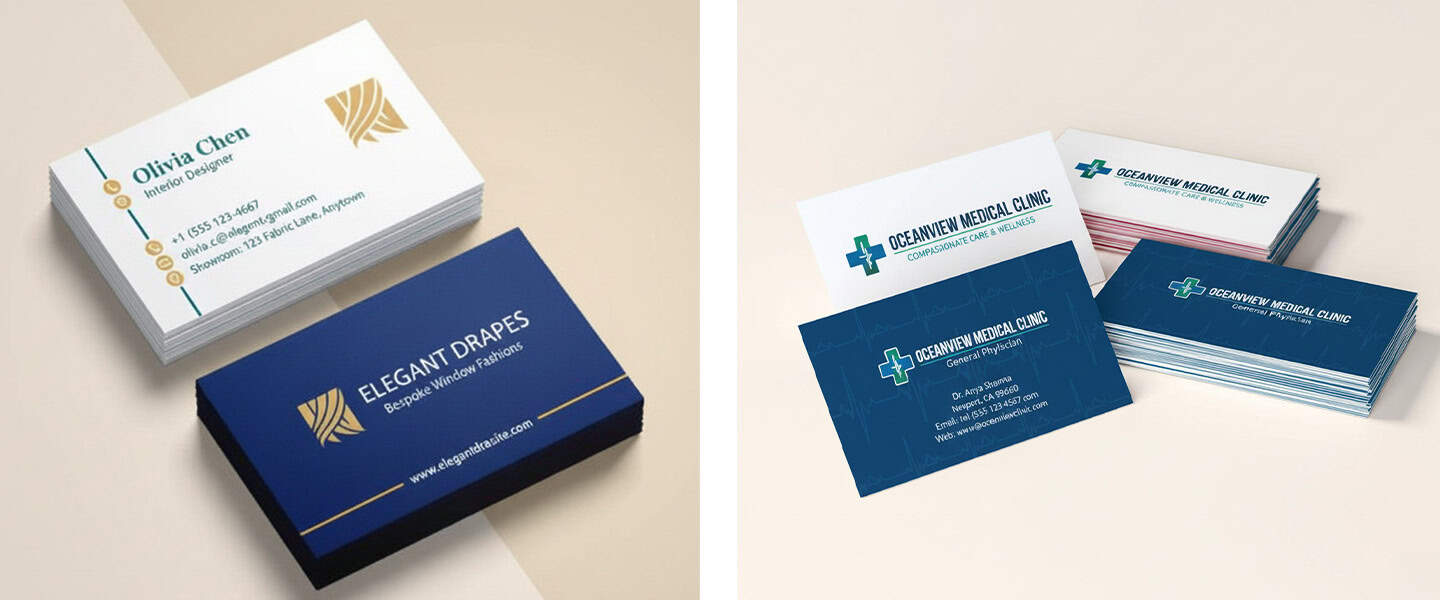
This is where most people get it wrong:
❌ Ultra thick cards for mass distribution → too expensive
❌ Basic cards for luxury services → weak impression
❌ Overdesigned cards for corporate roles → confusing
The goal isn’t “best card”, it’s best fit
What People Often Overlook
Most guides talk about “types., but what actually matters is:
- How often you hand them out
- Who receives them
- What you want them to do next
If your card doesn’t lead to a next step, it’s wasted.
Final Recommendation
If you’re unsure, follow this:
- Start with Business Cards
- Upgrade to Premium Business Cards once you validate your design
- Use specialty options only if they align with your brand
Ready to Choose Your Business Cards?
Explore all options and find what fits your brand best Overnight Prints.