Most flyers don’t fail because of design. They fail because they’re the wrong size for the job.
You can have a strong headline, a clean layout, and a clear offer…
…and still get ignored.
Because size directly affects how your flyer is:
- seen
- handled
- and remembered
Too small, and it disappears into the background.
Too large, and it becomes inconvenient or overwhelming.
The goal isn’t to pick a “standard” size.
It’s to choose the size that matches how your flyer will actually be used.
What “standard flyer sizes” actually means
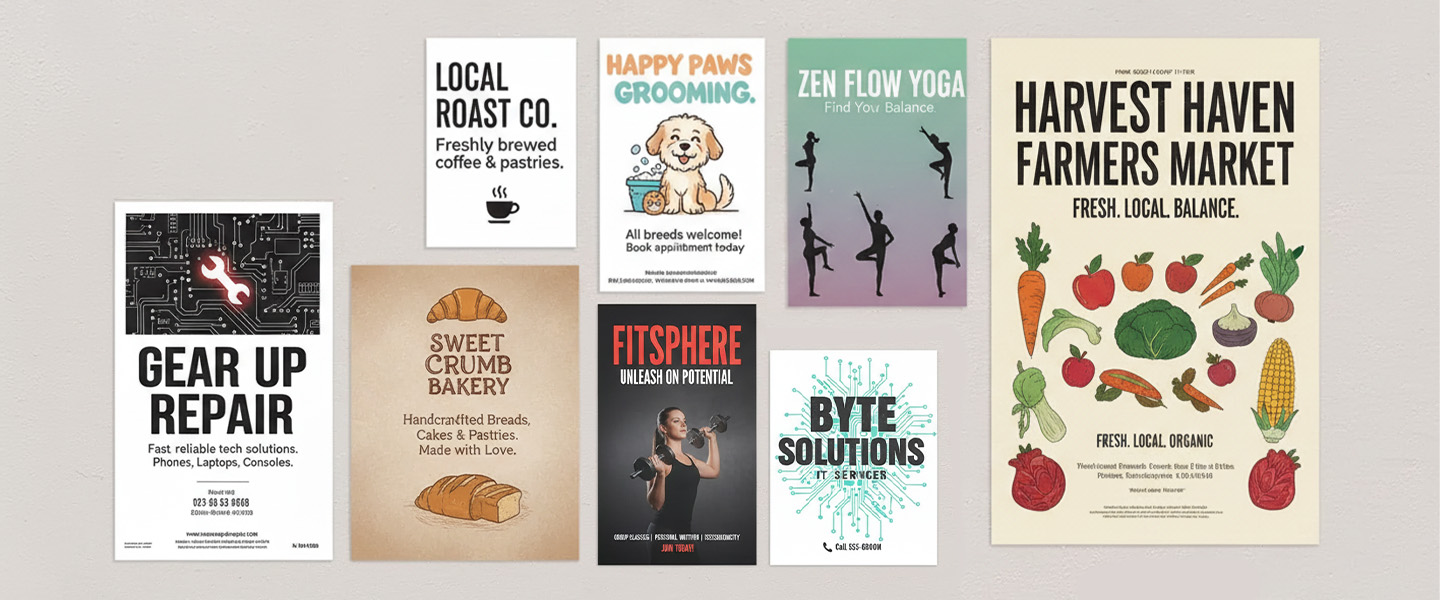
When people search for standard flyer sizes, they’re usually looking for a safe option—something that works without overthinking it.
And that’s fair.
Most printing follows a few widely accepted formats that are:
- easy to produce
- cost-efficient
- familiar to customers
The most common flyer sizes are:
- 4″ x 6″
- 5.5″ x 8.5″
- 8.5″ x 11″
- 11″ x 17″
Each one exists for a reason.
But using the wrong one—even if it’s “standard”—can reduce how effective your flyer is.
4″ x 6″: Small, fast, and cost-efficient
This is the smallest standard flyer size, and it’s often used for high-volume distribution.
It works best when:
- you’re handing flyers out quickly
- you need to print in bulk
- your message is simple and direct
Because it’s compact, it’s easy to carry and distribute.
But it comes with a limitation:
You don’t have space to explain much.
This means your design has to do more work. Strong headlines, bold visuals, and a single clear message are essential.
If your flyer relies on too much information, this size will work against you.
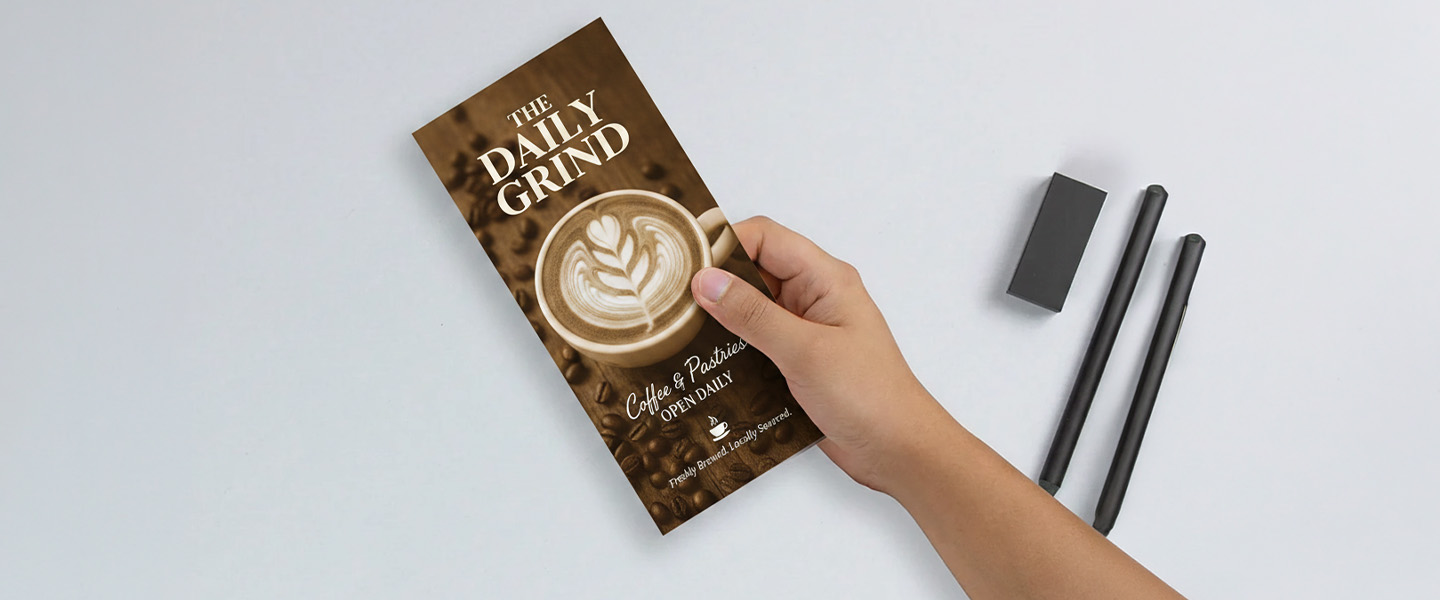
5.5″ x 8.5″: The most balanced and versatile option
This is the size most businesses should start with.
It gives you enough space to:
- explain your offer
- include a visual
- add a clear call to action
Without overwhelming the reader.
That’s why it works well for:
- local promotions
- service businesses
- events and announcements
It’s also easier to keep than a full-page flyer, which improves the chances that someone holds onto it.
If you’re unsure what to choose, this is usually your safest and most effective option.
8.5″ x 11″: More space—but harder to execute well
This is the standard letter size.
It gives you room for:
- detailed information
- multiple sections
- larger images
But more space doesn’t always mean better results.
The biggest issue with this size is overuse.
Most businesses try to include:
- too much text
- too many images
- too many messages
And the result feels crowded.
This size works best when:
- your layout is structured clearly
- your content is easy to scan
- your message is focused
If not, it becomes overwhelming—and less effective.
11″ x 17″: High visibility, high impact
This is where flyers start to behave more like posters.
It’s ideal when:
- you need to stand out in busy areas
- your flyer will be displayed, not handed out
- visibility matters more than portability
This size works well for:
- events
- promotions in storefronts
- public spaces
But it’s not practical for direct distribution.
People are less likely to carry or keep something this large.
When you’re ready to create custom flyers, choosing the right size and format upfront makes the process much easier.
Which flyer size actually converts best?
There isn’t a universal answer—but patterns are clear.
5.5″ x 8.5″ consistently performs best for most campaigns
Because it balances:
- visibility
- readability
- cost
- convenience
It’s large enough to get attention, but small enough to feel easy to keep.
That combination leads to better engagement—and better response rates.
That said, the “best” size always depends on how the flyer is used.
How distribution changes everything
The biggest mistake businesses make is choosing a size without thinking about distribution.
Where your flyer appears matters more than the size itself.
If you’re:
- handing flyers out → smaller sizes work better
- leaving them in stores → medium sizes perform best
- posting them on walls → larger sizes stand out more
The environment determines the outcome.
If the size doesn’t match how it’s distributed, even a great design won’t perform.
If you’re deciding how to use flyers in your strategy, this breakdown of when you should use flyers instead of digital ads shows where they actually perform best.
For direct handouts, many businesses also use postcards for handouts when they want something smaller and easier to carry.
Paper and finish also affect performance

Size is only part of the equation.
How your flyer feels matters just as much.
Thin paper can make your flyer feel disposable.
Heavier stock makes it feel more intentional and valuable.
Even with the right size, poor paper choice can reduce impact.
If you want your flyer to stand out, combine the right size with the right material.
Common mistakes that reduce results
Most flyer issues come down to decisions made before printing.
The most common ones are:
- choosing the smallest size just to save money
- using large formats without a strong visual
- overcrowding layouts with too much content
- ignoring how the flyer will actually be distributed
These mistakes don’t just affect design—they affect whether your flyer works at all.
Before you print your flyers
Once you choose the right size, everything else becomes easier.
Your layout feels more natural.
Your message becomes clearer.
Your design becomes more effective.
If you’re unsure how to structure your flyer, this guide on how to design print materials that actually get read can help you refine your layout before printing.
Ready to print your flyers?
If you already know your size and want a reliable option, you can explore flyer formats and customization here: Flyers
You’ll be able to choose your size, paper, and turnaround based on what your campaign actually needs.
Final takeaway
Flyer size isn’t just a technical detail.
It’s a strategic decision that affects how your message is received.
Because the right size doesn’t just make your flyer look better.
It makes it more likely to be seen, kept, and acted on.