Key Takeaways
- Most brochure decisions happen before customers read the copy.
- Clear layouts outperform crowded designs.
- The right brochure format improves readability and engagement.
- Print quality influences trust and professionalism.
- Simpler brochures often perform better than information-heavy designs.
Introduction
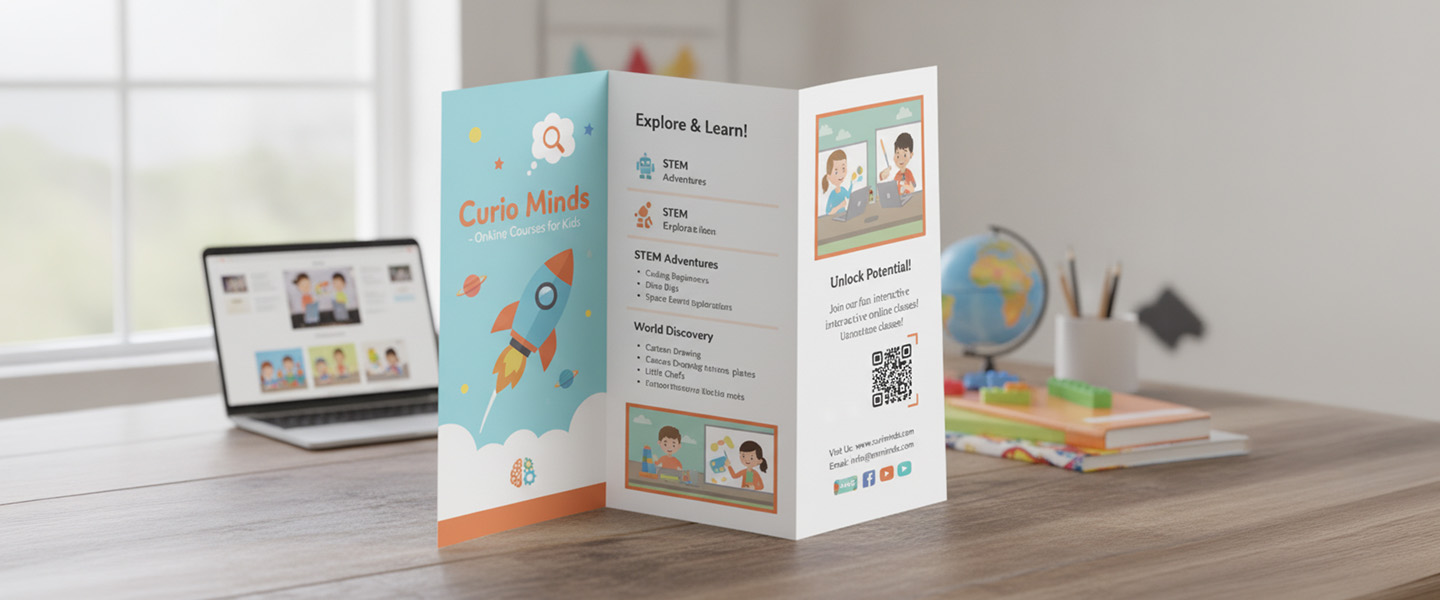
Most brochures fail for one simple reason: they overwhelm people instead of guiding them. The brochures that actually get read are usually easier to scan, visually clearer, and more intentional about what customers should notice first.
That difference matters more than businesses realize.
In 2026, customers make incredibly fast decisions about whether something feels worth their attention. A brochure may only have a few seconds to communicate professionalism, clarity, trust, and relevance before someone decides to keep reading or throw it away.
Unlike digital ads, brochures create a physical interaction. People touch them, flip through them, carry them, and judge them almost instantly based on design, structure, and print quality.
Effective brochure design isn’t just about looking attractive. It’s about making information feel easy and worth consuming.
Why Brochure Readability Matters
Many businesses assume customers carefully read brochures from start to finish.
In reality, most people make an initial judgment within seconds.
Before reading a single paragraph, customers are already evaluating:
- Layout
- Readability
- Spacing
- Cover design
- Organization
- Print quality
If a brochure feels visually overwhelming, customers often lose interest immediately.
This aligns with broader direct marketing research showing that customers often make engagement decisions based on presentation and perceived relevance before fully consuming the content itself.
This is especially common when businesses try to include:
- Too much text
- Too many services
- Excessive visuals
- Multiple competing messages
- Crowded sections
The result is confusion instead of engagement.
Many of the same principles that improve brochure performance also apply to other marketing materials. This guide on how to design print materials that actually get read explores the design elements that influence whether customers engage or disengage.
What Makes People Pick Up and Read a Brochure?
The highest-performing brochures usually feel easy to move through.
Customers instinctively understand:
- Where to start
- What matters most
- What to look at next
Clear Visual Hierarchy
Strong brochures prioritize one clear headline, one visual direction, and a logical reading flow.
Easy-to-Scan Layouts
People rarely study brochures in detail unless something captures their interest first. Short sections and clean formatting help readers stay engaged.
Focused Messaging
When every section competes equally for attention, nothing stands out. Effective brochures focus on the most important message instead of trying to communicate everything at once.
According to a Marketing research done by the American Marketing Association, consistently shows that clear messaging and strong visual hierarchy help audiences process information more efficiently, which is one reason simple, focused marketing materials tend to outperform cluttered designs.
The Elements of an Effective Brochure
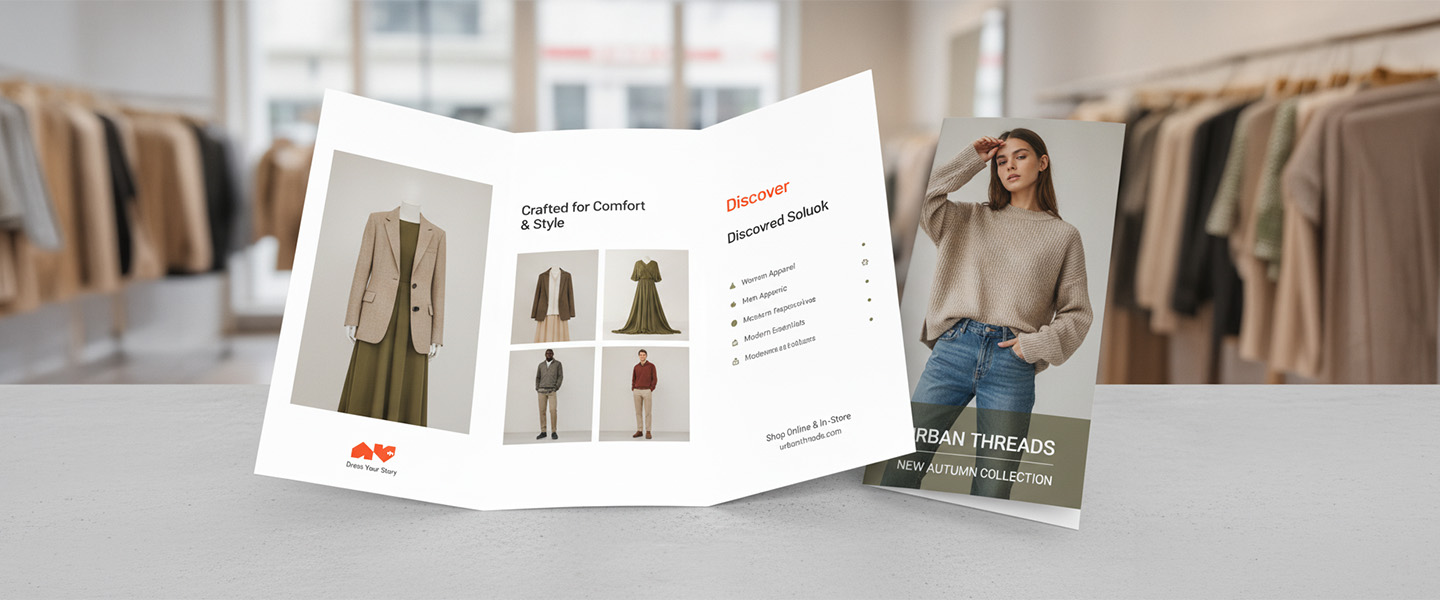
Design simplicity often creates more engagement than complexity.
Simpler brochure design often feels:
- More professional
- More trustworthy
- More modern
- Easier to engage with
This is especially important for industries where credibility matters, including:
- Healthcare
- Consulting
- Real estate
- Finance
- Legal services
- Luxury brands
Effective brochures typically include:
- One primary message
- Strong headlines
- Consistent branding
- White space
- Easy-to-read typography
- High-quality imagery
White space remains one of the most underrated design elements because it reduces visual stress and makes information easier to absorb.
Choosing the Right Brochure Format
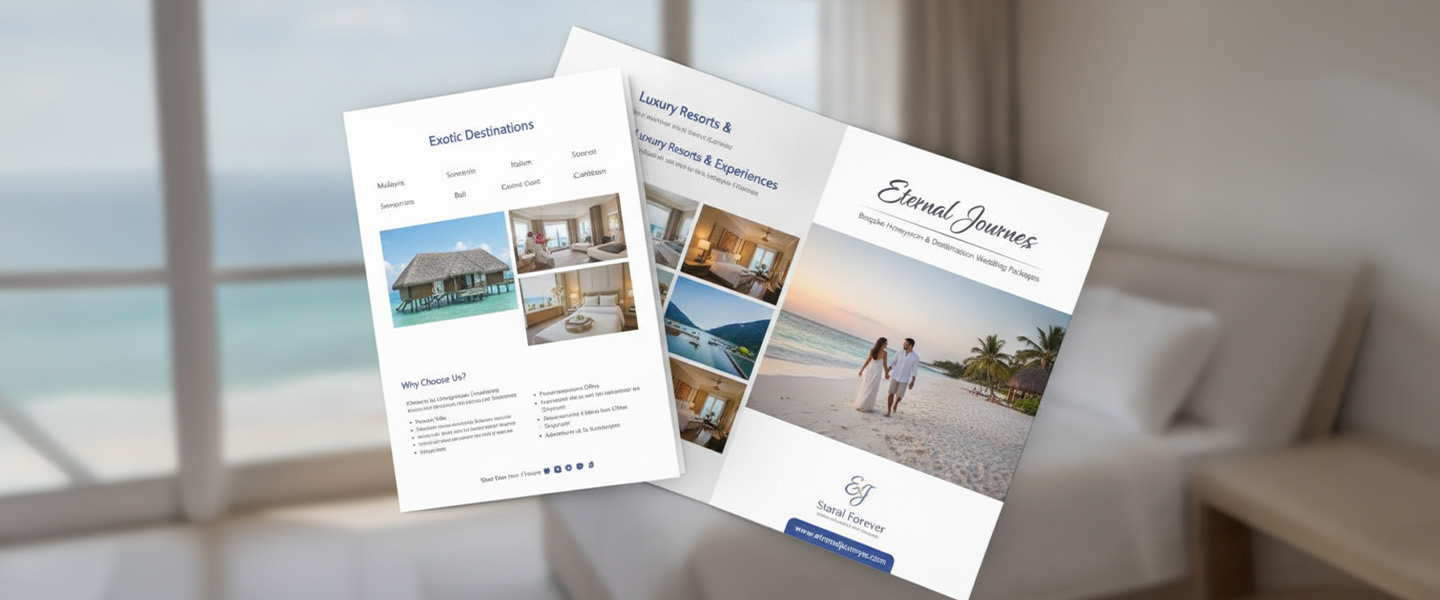
The format itself influences readability, pacing, and how customers interact with the information.
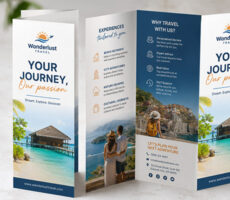
Tri-Fold Brochures
Tri-fold brochures work well for quick service overviews, product highlights, and general business information.
For a deeper comparison, read our guide on Tri-Fold vs Bi-Fold Brochures.
Bi-Fold Brochures
Bi-fold brochures often feel cleaner and easier to navigate, making them ideal for businesses that want a more premium presentation.
Booklet-Style Formats
Booklet-style formats support longer storytelling, detailed product information, and more complex customer journeys.
If you’re deciding between formats, see our article on Booklets vs Brochures.
Effective Brochures vs Ignored Brochures
| Effective Brochures | Ignored Brochures |
|---|---|
| Easy to scan | Visually crowded |
| Clear hierarchy | Too many competing sections |
| Professional spacing | Overloaded layouts |
| Focused messaging | Too much information |
| Strong print quality | Thin or low-quality materials |
| Clean typography | Hard-to-read fonts |
| Consistent branding | Disconnected visuals |
Most customers won’t consciously analyze each of these factors individually. Together, however, they shape whether a brochure feels professional, trustworthy, and worth spending time with.
Why Print Quality Matters More Than Most Businesses Realize
Brochures are physical branding tools.
Customers judge quality through:
- Texture
- Thickness
- Color sharpness
- Folding quality
- Paper finish
- Durability
A brochure printed on weak paper stock often feels temporary, even if the design itself looks good.
Professionally printed brochures instantly feel:
- More polished
- More established
- More intentional
This becomes especially important during:
- Consultations
- Conferences
- Sales meetings
- Networking events
- Presentations
- Client onboarding
Because brochures often become part of a customer’s first real-world impression of your business.
Many businesses underestimate how much paper stock, finishing, and print quality affect customer perception. Our comparison of cheap vs premium printing explains what customers actually notice.
Common Brochure Mistakes That Cause Customers to Lose Interest
Many brochure design problems come down to a few common mistakes.
Too Much Information
Many businesses assume more information equals more value. In reality, excessive content often discourages reading.
Weak Visual Hierarchy
If readers can’t immediately identify the most important information, they often stop engaging.
Crowded Layouts
Too many elements competing for attention create confusion instead of clarity.
Low-Quality Printing
Poor paper quality and weak print finishes can undermine even a strong design.
The brochures that get read most often focus on clarity, relevance, and ease of use.
Good brochure design removes friction. Bad brochure design creates it.
Are Brochures Still Effective in 2026?
Despite the growth of digital marketing, brochures continue to work because they create focused physical attention.
Unlike online ads, brochures can be:
- Held
- Shared
- Saved
- Revisited
- Brought to meetings
- Displayed on desks or counters
That repeated exposure can make a meaningful difference for businesses selling:
- Professional services
- High-ticket products
- Local services
- Relationship-driven offerings
A strong brochure creates a more lasting impression than many businesses realize.
The U.S. Small Business Administration also continues to recommend print and direct marketing as part of a balanced small business marketing strategy, particularly for businesses focused on local visibility and customer relationships.
Other products related that you might be interested in are Postcards.
Which Businesses Benefit Most from Brochures?
Brochures remain especially effective for:
Real Estate
Property listings, neighborhood guides, and agent marketing materials.
Healthcare
Patient education, treatment overviews, and service explanations.
Professional Services
Consultants, attorneys, accountants, and financial advisors.
Local Businesses
Service-based companies that rely on trust and credibility.
Events and Organizations
Programs, schedules, sponsorship materials, and promotional information.
Final Thoughts
Some brochures get ignored because they overwhelm customers before the message even becomes clear.
The brochures that actually get read are usually:
- Easier to navigate
- Visually cleaner
- Professionally printed
- Strategically organized
- Designed around customer attention spans
In 2026, effective brochure design is less about adding more information and more about helping customers engage with information comfortably.
Because ultimately, customers don’t continue reading brochures that feel like work. They continue reading brochures that feel easy, intentional, and worth their attention.
Ready to create brochures customers actually want to read? Explore our Brochure Printing options and create professional marketing materials designed to make a lasting impression.
Frequently Asked Questions
Why do some brochures get ignored?
Most brochures get ignored because they are visually overwhelming, poorly organized, or difficult to scan quickly.
What makes a brochure easier to read?
Clear hierarchy, strong headlines, white space, and focused messaging make brochures easier to read.
What is the best brochure format?
The best format depends on your goals. Tri-fold brochures work well for service overviews, while bi-fold and booklet formats are often better for more detailed information.
Are brochures still effective in 2026?
Yes. Brochures remain valuable because they create physical engagement and can be saved, shared, and revisited over time.
What paper should I use for brochures?
Heavier paper stocks with professional finishes typically create a more polished and trustworthy impression.
What’s the difference between a brochure and a flyer?
Flyers are designed for quick attention and short messages, while brochures support deeper engagement and more detailed information.
Resources
- U.S. Small Business Administration (SBA) – Marketing and customer acquisition resources for small businesses.
- American Marketing Association (AMA) – Research and insights on marketing strategy, customer engagement, and communication effectiveness.
- Association of National Advertisers (ANA) – Industry research and best practices related to direct marketing, customer attention, and marketing performance.