The best customer loyalty program ideas for small businesses are simple rewards that give customers a clear reason to come back, such as punch cards, points, birthday rewards, VIP perks, referral bonuses, and exclusive offers.
You don’t need a complicated app or a huge rewards budget to build customer loyalty.
A neighborhood coffee shop might offer a free drink after a certain number of purchases. A salon could reward repeat appointments. A retail store could give loyal customers early access to a sale. An online business might include a reward for the next purchase inside every order.
The format can change, but the idea is the same: give customers a reason to choose your business again.
That matters because loyalty programs aren’t only about discounts. They can help businesses stay connected with existing customers, recognize their best customers, encourage repeat visits, and learn more about what people actually buy.
So, what could a loyalty program look like for your small business?
Here are 12 ideas you can adapt.
1. Create a Simple Punch Card Program
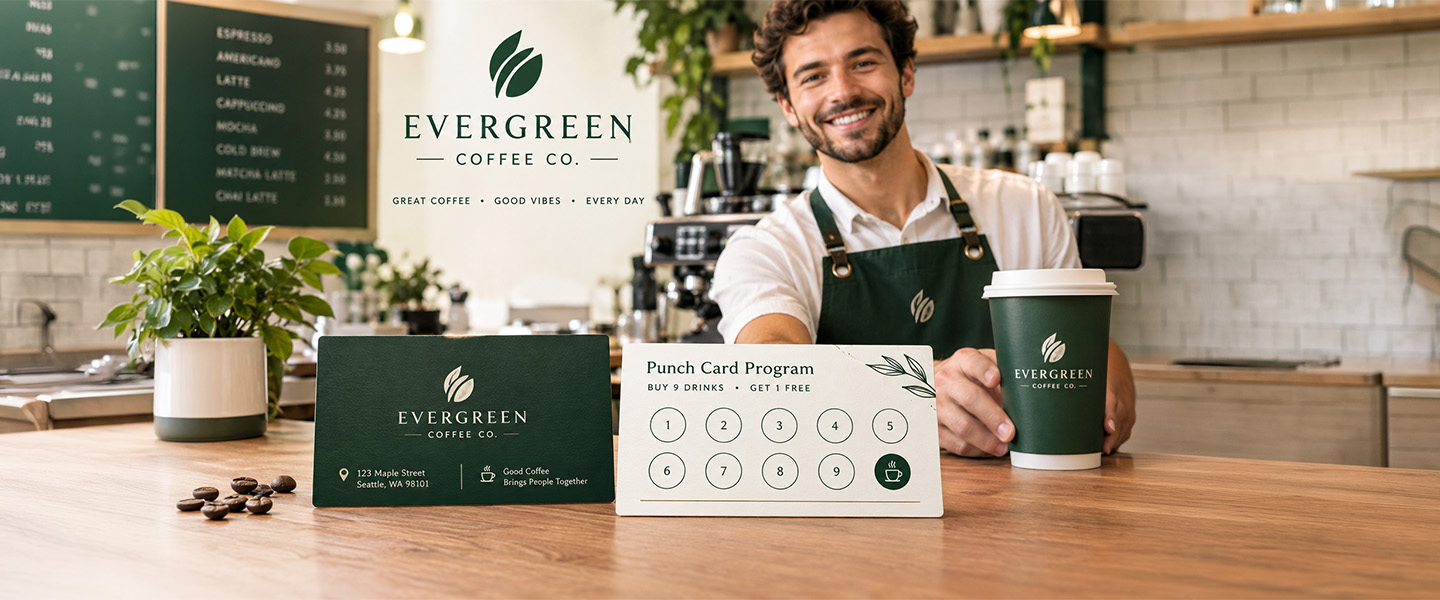
Sometimes the easiest loyalty program is also one of the easiest for customers to understand:
Buy 9, get the 10th free.
A punch or stamp card can work particularly well for businesses where customers make frequent, relatively predictable purchases, such as:
- Coffee shops
- Bakeries
- Cafés
- Ice cream shops
- Car washes
- Nail salons
- Pet-grooming businesses
The reward doesn’t necessarily have to be a free product.
For example:
Coffee shop: Buy 9 drinks, get your 10th free.
Salon: Book 5 services and receive an add-on with your next appointment.
Pet groomer: Complete 5 grooming visits and receive a complimentary upgrade.
Keep the requirements visible on the card so customers immediately understand what they’re working toward.
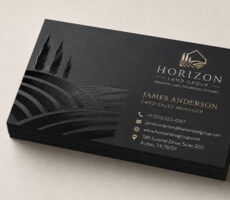
A standard business card format can be useful for a simple physical loyalty card because customers can easily keep it in a wallet.
2. Offer Points for Every Purchase
Instead of rewarding a specific number of visits, let customers earn points based on what they spend.
For example:
$1 spent = 1 point
100 points = $10 reward
This approach can work well when purchase amounts vary significantly from one visit to another.
A customer spending $100 shouldn’t necessarily earn the same reward as someone spending $10 if spending is the behavior you want to encourage.
Points can eventually be redeemed for:
- Discounts
- Free products
- Service upgrades
- Gifts
- Exclusive products
- Free shipping
- Early access to new products
The important part is making the system easy to understand.
If customers need a calculator to figure out what their points are worth, simplify it.
3. Create a VIP Loyalty Program
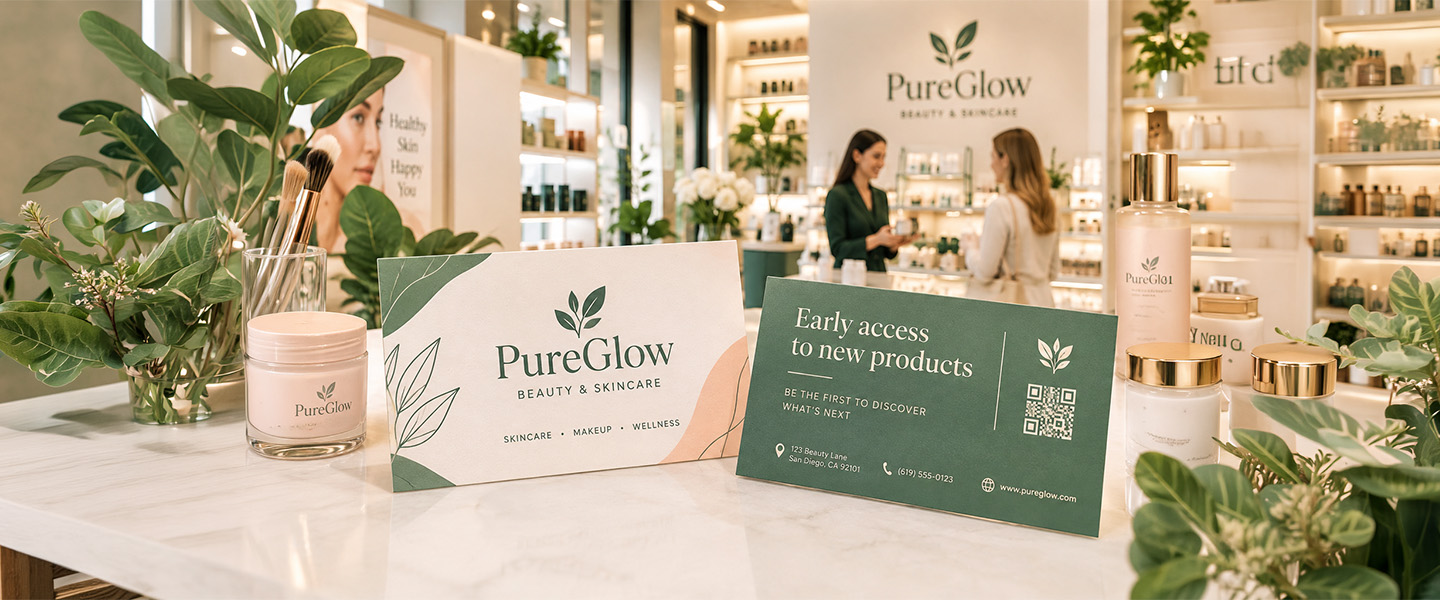
Not every customer has to receive exactly the same rewards.
A VIP program recognizes customers who purchase frequently or spend above a certain threshold.
You could offer VIP members:
- Early access to new products
- Invitations to special events
- Exclusive products
- Birthday gifts
- Priority booking
- Free upgrades
- Members-only promotions
You could also create different levels.
For example:
Member: joins the loyalty program
VIP: reaches a set spending or visit threshold
VIP Plus: reaches your highest loyalty threshold
Tiered programs give customers something additional to work toward while allowing you to reserve your most valuable perks for your most engaged customers.
If you use tiers, keep the requirements transparent. Customers should know exactly what they need to do to reach the next level.
4. Reward Customer Referrals
Your existing customers can also help introduce new people to your business.
A referral program could offer:
Give $10, get $10.
The existing customer receives a reward when a friend makes their first purchase, while the new customer receives an introductory incentive.
Other referral rewards might include:
- Store credit
- A free product
- A service upgrade
- Loyalty points
- A percentage off the next purchase
- A small gift
You can promote the program at checkout, in emails, on receipts, or with a printed referral card.
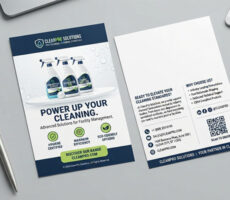
A custom postcard, for example, gives you enough space to explain the referral offer, include a referral code or QR code, and tell customers exactly what to do next.
5. Give Customers a Birthday Reward
A birthday gives you a natural reason to reconnect with a customer.
The reward could be:
- A free item
- A birthday discount
- Bonus loyalty points
- A complimentary service upgrade
- A small gift
- A special birthday-only offer
You don’t necessarily need a huge discount.
The point is to recognize the customer at a moment that feels personal.
And don’t limit this idea to birthdays.
You could recognize:
- The anniversary of their first purchase
- Membership anniversaries
- Major customer milestones
- A certain number of visits
- A certain number of purchases
These small moments can make a loyalty program feel less transactional.
6. Surprise Customers With Unexpected Rewards
Not every loyalty reward has to be announced in advance.
Occasionally surprising a repeat customer can make the experience more memorable.
Imagine ordering from a small online shop for the fifth time and finding a card inside the package that says:
You’ve been shopping with us for a while, and we noticed. This one’s on us.
The surprise might be:
- A discount for their next order
- A free sample
- A small product
- Bonus points
- Free shipping
- An upgraded service
The difference here is that the customer wasn’t expecting anything.
That can make the gesture feel like genuine recognition rather than another promotion.
You could pair the reward with a physical thank-you message. Our guide to thank-you cards that build client loyalty has additional ideas for recognizing repeat customers.
7. Give Members Early Access
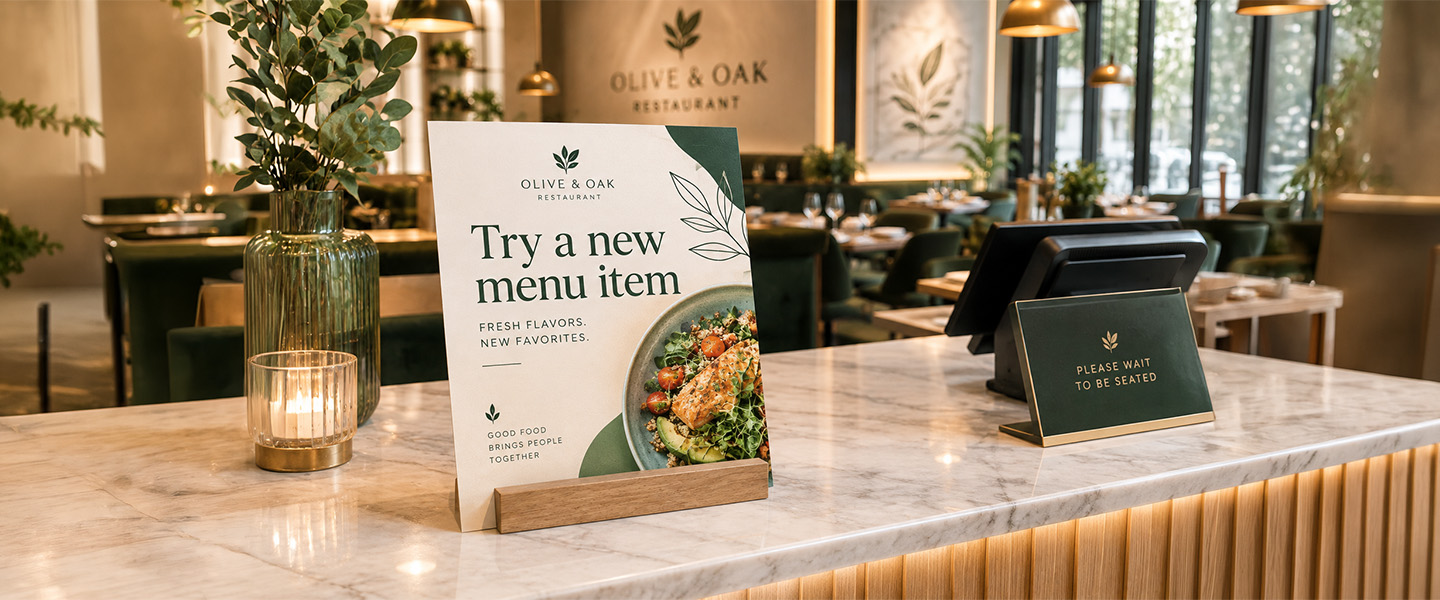
Rewards don’t always need to cost money.
Access itself can be valuable.
Let loyalty members be the first to:
- Shop a sale
- Reserve appointments
- See a new collection
- Try a new menu item
- Register for an event
- Order a limited-edition product
This can be especially useful when your business has products, appointments, events, or inventory that customers genuinely don’t want to miss.
For example, a bakery could let members preorder a limited holiday menu before public orders open.
A salon might give VIP clients early access to high-demand December appointment slots.
A boutique could let loyalty members shop a seasonal collection one day before everyone else.
The reward is simple: they get first choice.
8. Create a Loyalty Program Around Visits, Not Spending
You don’t always have to reward customers for spending more.
Sometimes you simply want them to come back more often.
A visit-based program could reward:
5 visits = one reward
This model may make more sense for businesses such as:
- Fitness studios
- Cafés
- Salons
- Barbershops
- Restaurants
- Car washes
- Pet services
It also keeps the program easy to explain.
According to the U.S. Small Business Administration’s guidance on marketing to existing customers, loyalty programs can work across many types of businesses, and the reward structure should remain simple enough for customers to understand.
9. Reward More Than Purchases
Buying something doesn’t have to be the only way customers earn rewards.
Depending on your business, you could reward actions such as:
- Referring a friend
- Attending an event
- Leaving useful product feedback
- Completing a customer survey
- Joining a workshop
- Reaching a membership anniversary
This gives customers more ways to engage with your business between purchases.
Be careful, however, with rewards tied to public reviews. Review platforms may have rules about incentivized reviews, and businesses should follow the applicable platform policies.
Instead, you might reward customers for providing private feedback regardless of whether their comments are positive or negative.
10. Put a Next-Purchase Reward Inside the Order
If you sell products online, the moment someone opens their package is also an opportunity to encourage the next purchase.
Include a small printed insert with a simple message:
Thanks for your order. Here’s $10 toward your next one.
Or:
Come back soon. Scan here to unlock your next reward.
A postcard can work as a package insert when you need room for a message, QR code, promotional details, or redemption instructions.
You can also use custom stickers to add a smaller reminder to packaging.
If packaging is an important customer touchpoint for your business, see our guide to custom sticker ideas for small-business packaging for additional ways to connect packaging with repeat purchases.
11. Create a Paid Membership With Real Benefits
For businesses with highly engaged repeat customers, another option is a paid loyalty program.
Customers pay a monthly or annual fee and receive ongoing benefits.
Those might include:
- Free delivery
- Exclusive pricing
- Free upgrades
- Members-only products
- Priority appointments
- Monthly gifts
- Special events
The key phrase here is real benefits.
A paid membership won’t feel worthwhile if customers need to spend constantly just to recover the membership fee.
Before launching one, calculate what your frequent customers already buy and identify benefits they would genuinely use.
12. Let Customers Choose Their Reward
Different customers value different things.
One person might want a discount.
Another might prefer a free product.
Another may care more about an upgrade or exclusive access.
Instead of assuming everyone wants the same thing, consider offering a choice.
For example:
You’ve reached 100 points. Choose your reward:
- $10 off your next purchase
- Free product
- Free service upgrade
Choice can make a loyalty program feel more relevant without requiring an entirely different program for every customer.
Which Loyalty Program Is Best for a Small Business?
The best loyalty program for a small business is one that matches how customers already buy from that business.
If customers visit frequently, consider a punch card or visit-based reward.
If order values vary, a points program may make more sense.
If you have a smaller group of highly valuable repeat customers, try a VIP program.
If word of mouth drives your growth, consider a referral program.
If you sell online, try package inserts and next-purchase rewards.
Here’s a simple way to compare them:
| Loyalty Program | Best For | Example |
| Punch card | Frequent purchases | Buy 9, get 1 free |
| Points program | Different purchase amounts | $1 = 1 point |
| VIP program | High-value repeat customers | Exclusive perks |
| Referral program | Word-of-mouth businesses | Give $10, get $10 |
| Birthday rewards | Customer relationships | Birthday gift or offer |
| Visit-based rewards | Service businesses | Reward after 5 visits |
| Package insert | Ecommerce | Next-order reward |
| Paid membership | Very frequent customers | Annual fee + ongoing perks |
How to Create a Customer Loyalty Program
You don’t need to launch everything at once.
Start with five decisions.
1. Decide What You Want Customers to Do
Do you want more:
- Repeat visits?
- Larger purchases?
- Referrals?
- Reorders?
- Membership sign-ups?
Your goal determines what you should reward.
2. Choose One Valuable Reward
Ask yourself:
Would my customers actually care about this?
Don’t choose a reward simply because it’s cheap for the business.
A reward only works when customers want to earn it.
3. Make the Rules Easy to Understand
Customers should be able to explain your loyalty program in one sentence.
If you need three paragraphs of fine print to describe how someone earns a reward, there’s probably too much friction.
4. Make the Program Visible
A loyalty program can’t influence behavior if customers forget it exists.
Promote it through the places customers already interact with you:
- Checkout
- Website
- Packaging
- Social media
- Receipts
- In-store signage
- Printed cards
- Direct mail
If you’re deciding which physical materials make sense for your business, our guide to what small businesses should print first can help prioritize them.
5. Track Whether Customers Actually Return
Don’t measure success only by how many people sign up.
Look at what happens afterward.
Useful metrics include:
- Repeat purchase rate
- Purchase frequency
- Average order value
- Reward redemption rate
- Referral rate
- Loyalty-member sales
- Customer retention
If customers sign up but never use the program, something needs to change.
How to Promote Your Loyalty Program With Print
Digital loyalty tools are useful, but physical materials can keep the program visible when customers are actually interacting with your business.
Here are a few simple combinations.
Café or Bakery
Use a wallet-sized loyalty card customers can bring back with every visit.
Add a small sign at checkout explaining the reward.
Salon or Service Business
Hand customers a loyalty or referral card after their appointment.
Include the reward and booking information directly on the card.
Retail Store
Include a loyalty reminder in each shopping bag and promote VIP perks near checkout.
Ecommerce Business
Place a postcard inside each package explaining how to earn or redeem the next reward.
A QR code can connect the printed piece to an online loyalty account or landing page.
Local Service Business
Use postcards to reconnect with previous customers when it’s time to book another service.
If you’re considering this approach, our guide to postcard marketing for local businesses explains how to keep postcard campaigns focused on one audience, message, and action.
The goal isn’t to print something just because you have a loyalty program.
Use print where it makes the program easier to remember, understand, or use.
Keep Your Loyalty Program Simple Enough to Use
A loyalty program doesn’t need dozens of rewards to be effective.
In fact, simplicity can be an advantage for a small business.
Customers should quickly understand:
What do I do?
What do I get?
How close am I to getting it?
Research from Square found that 79% of consumers surveyed for its 2025 Future of Commerce report said loyalty programs made them more likely to continue doing business with a brand. The same research reported that more than 80% of business leaders surveyed across restaurant, retail, and beauty sectors saw benefits such as larger orders, repeat visits, and ROI from their programs. Read Square’s loyalty-program findings.
The opportunity for a small business isn’t necessarily to build the most sophisticated rewards program.
It’s to create one customers actually want to use.
Start with one behavior.
Choose one meaningful reward.
Explain it clearly.
Then pay attention to what brings people back.
Frequently Asked Questions
What is a customer loyalty program?
A customer loyalty program is a strategy that rewards customers for repeat purchases or other valuable interactions with a business. Rewards may include discounts, free products, points, exclusive access, gifts, or special services.
What is a good loyalty program for a small business?
A good small-business loyalty program is easy to understand, affordable to maintain, and based on how customers already buy. Punch cards work well for frequent visits, while points, referrals, VIP programs, and next-purchase rewards can suit other purchasing patterns.
How do I start a loyalty program for my small business?
Choose the customer behavior you want to encourage, select a meaningful reward, establish simple rules, promote the program consistently, and track whether members actually return or purchase more frequently.
Do loyalty programs work for small businesses?
They can. Their effectiveness depends on the reward, customer behavior, ease of use, and how well the program is promoted. Square’s 2025 research found that 79% of surveyed consumers said loyalty programs made them more likely to continue doing business with a brand.
What rewards can a small business offer loyal customers?
Common rewards include discounts, free products, upgrades, birthday gifts, store credit, bonus points, early access, priority booking, free shipping, and exclusive products or events.
Can I create a loyalty program without an app?
Yes. A simple program can use printed punch cards, membership cards, referral cards, unique codes, or other manual tracking methods. An app becomes more useful when a business needs automated points, customer profiles, or more detailed tracking.
How can I promote a loyalty program?
Promote it wherever customers interact with your business, including checkout, your website, email, social media, packaging, receipts, direct mail, and printed materials. Keep the message focused on the reward and what customers need to do to earn it.
Are punch cards still a good loyalty program?
Punch cards can work well for businesses with frequent repeat visits because the system is easy to understand and customers can see their progress toward a reward.
What’s the difference between a loyalty program and a referral program?
A loyalty program primarily rewards a customer for continuing to buy from or engage with a business. A referral program rewards customers for introducing new customers. Businesses can also combine the two.
How should a small business measure customer loyalty?
Useful measures include repeat purchase rate, purchase frequency, average order value, reward redemption, referral activity, retention, and revenue from loyalty members. The right metrics depend on what the program was designed to accomplish.