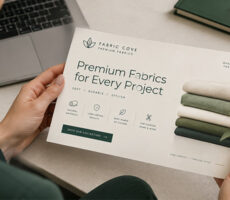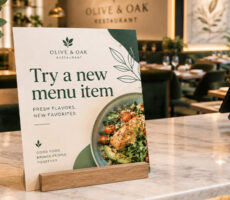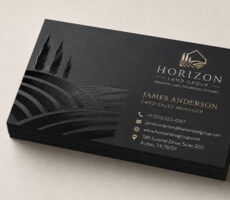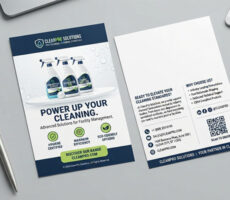
A marketing brochure is a printed or digital piece of marketing material used to explain a business, product, service, event, or offer in a clear and visually organized format. Unlike a flyer, which typically delivers one quick message, a brochure gives you more room to explain what you offer, highlight benefits, answer common questions, and guide readers toward a next step.
For businesses, brochures can work almost like a compact introduction to the brand. They can be handed out at events, displayed at a front desk, included in sales materials, mailed to prospects, or given to customers who want more information.
If you’re considering using brochures for your business, this guide covers what they are, the most common types, where they’re used, and what makes an effective marketing brochure.
What Is a Marketing Brochure?
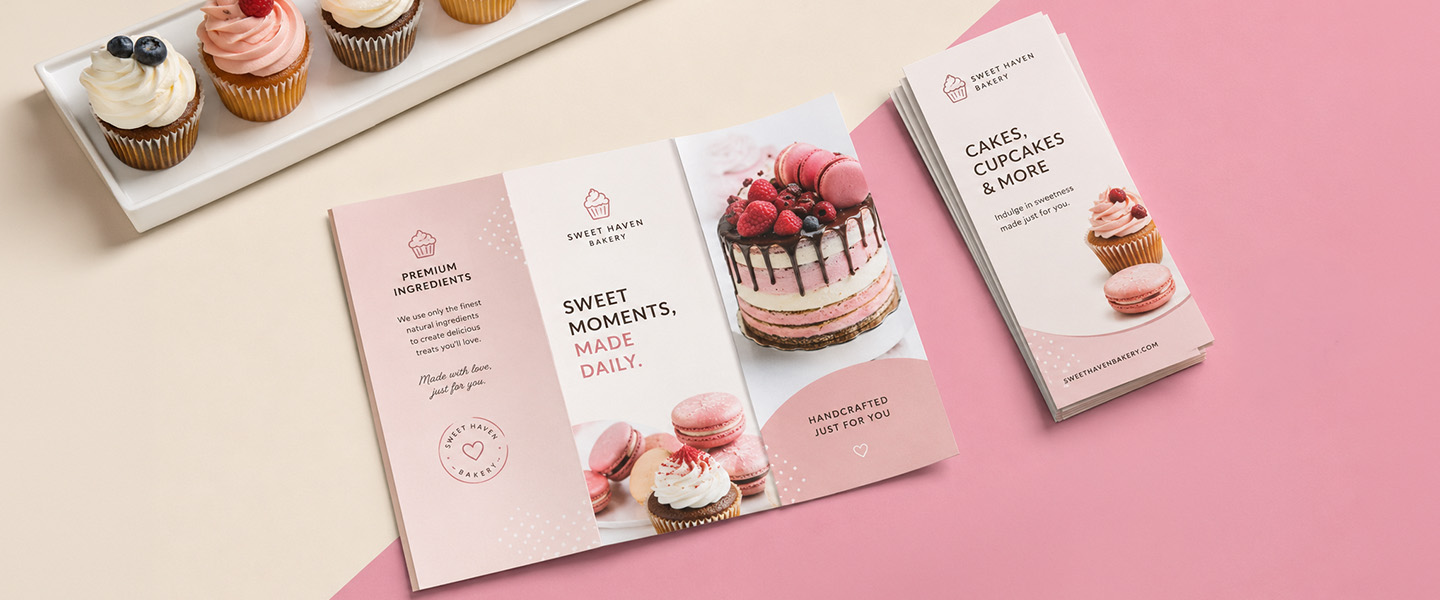
A marketing brochure is a document designed to communicate information about a company, product, service, or promotion while supporting a specific marketing goal.
Brochures commonly combine:
- A headline or main message
- Information about products or services
- Benefits or key selling points
- Photos, graphics, or illustrations
- Company branding
- Contact information
- A clear call to action
Brochures are especially useful when you need more room than a flyer provides but don’t need the length of a full booklet.
For example, a landscaping company could use a brochure to introduce its services, show before-and-after photos, explain its process, and provide contact information. A hotel could use one to showcase rooms, amenities, local attractions, and booking details.
Organizations also use brochures for informational purposes. The University of Kansas’s Community Tool Box notes that brochures can be used to explain an organization’s purpose and services, answer frequently asked questions, educate audiences, and promote events. (Community Tool Box)
What Is the Purpose of a Brochure?
The main purpose of a brochure is to give someone enough information to understand an offer and decide what to do next.
Depending on the business, that next step could be:
- Visiting a website
- Calling for a quote
- Booking an appointment
- Visiting a location
- Registering for an event
- Asking a salesperson for more information
- Purchasing a product or service
This makes brochures useful at different stages of the customer journey.
Someone discovering your business for the first time might need a simple company overview. A potential customer who already knows your brand might need a detailed brochure comparing services or explaining a specific product.
The key is to give each brochure one clear purpose rather than trying to fit everything about your business onto a single piece. The University of Nebraska–Lincoln Extension similarly recommends determining whether a brochure’s primary purpose is to persuade or inform rather than trying to communicate too much at once. (University of Nebraska–Lincoln Extension)
Common Types of Marketing Brochures
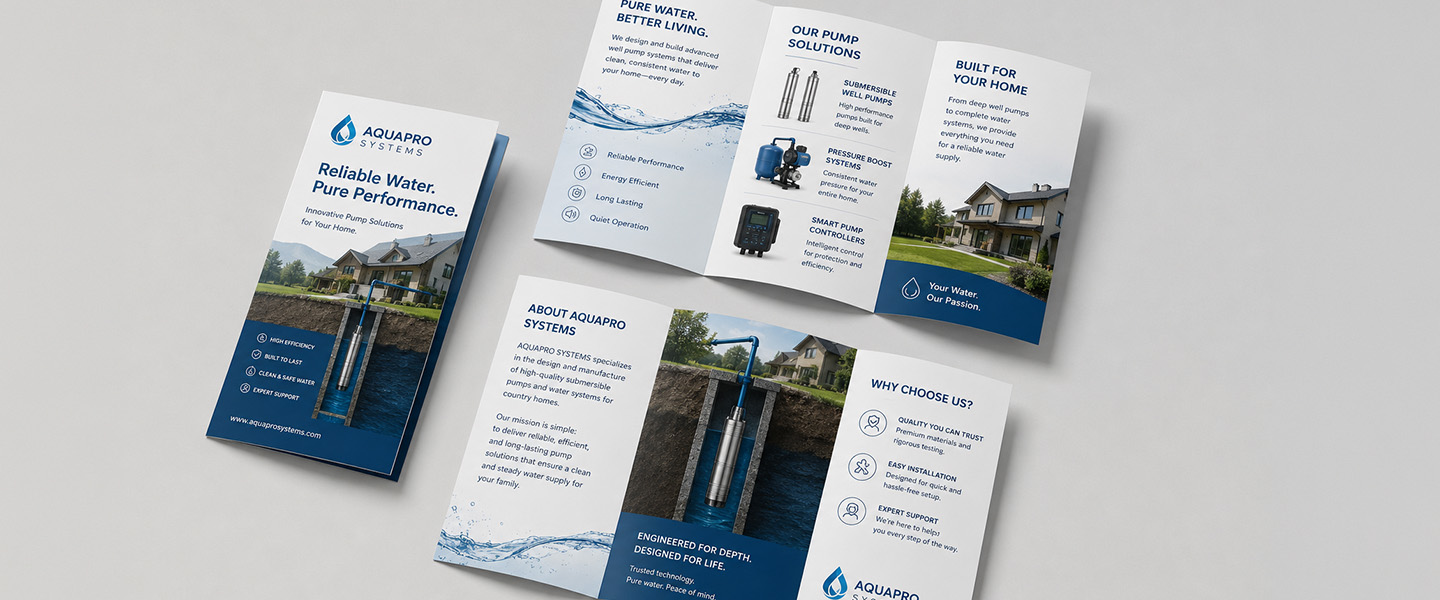
Brochures can be organized in several ways depending on how much information you need to present and how you want readers to move through it.
Here are some of the most common formats.
1. Tri-Fold Brochures
A tri-fold brochure divides the sheet into three sections, creating six areas for content when both sides are printed.
This format works particularly well when information naturally breaks into smaller sections.
For example:
Front: Headline and brand
Inside: Problem → solution → benefits
Back: Contact information and call to action
Tri-fold brochures are commonly used for:
- Service lists
- Restaurant information
- Tourism guides
- Healthcare information
- Product introductions
- Local business marketing
Because the panels create a natural reading sequence, the format makes it easier to organize several pieces of information without presenting readers with one large block of text.
If you’re deciding between common brochure layouts, read our guide to tri-fold vs. bi-fold brochures.
2. Bi-Fold Brochures
A bi-fold brochure folds once down the middle, creating four main panels.
The larger panels give photos, headlines, charts, or other visual elements more room to breathe.
Bi-fold brochures can work well for:
- Company introductions
- Product presentations
- Menus
- Premium services
- Simple sales presentations
- Image-heavy marketing
They are particularly useful when you have fewer sections but want each one to have more visual impact.
3. Z-Fold Brochures
A Z-fold brochure folds back and forth in a zigzag pattern.
Because each panel can reveal the next piece of information, this format works well for content with a sequence.
For example:
Step 1 → Step 2 → Step 3
That makes Z-fold brochures useful for:
- Step-by-step services
- Maps
- Event schedules
- Product features
- How-it-works explanations
- Travel information
We’ve covered the differences between these formats in more detail in our guide to Z-fold vs. tri-fold vs. gate-fold brochures.
4. Gate-Fold Brochures
A gate-fold brochure has two outer panels that open toward the center, revealing a larger interior section.
The reveal makes this format particularly useful when you want the reader’s attention to land on one important image, message, product, or offer.
Potential uses include:
- Product launches
- Premium services
- Event promotions
- Luxury brands
- Visual portfolios
The format can make the opening experience part of the design itself.
Marketing Brochure Examples by Business Type
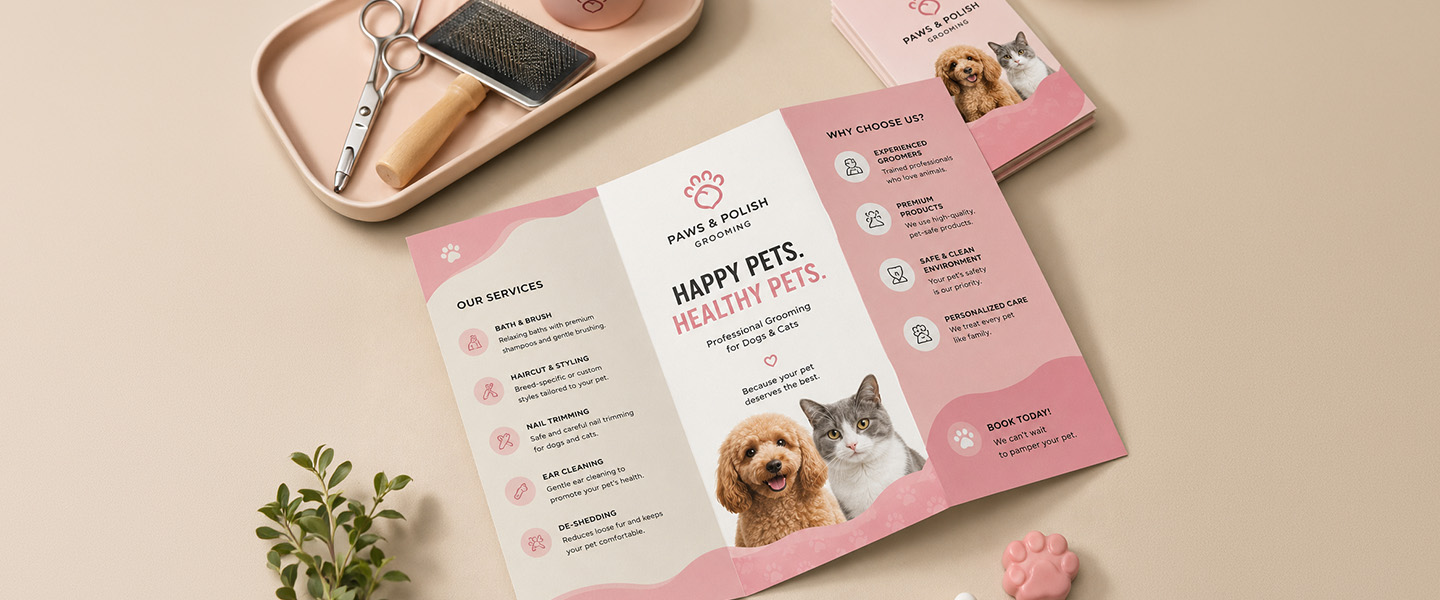
The easiest way to understand how brochures work is to look at what different businesses might actually put in one.
Real Estate Brochure
A real estate agent could create a brochure for a property that includes:
- Professional property photos
- Price
- Key features
- Floor plan
- Neighborhood highlights
- Agent information
- QR code linking to the online listing
The brochure gives interested buyers something physical to take home after an open house.
Restaurant Brochure
A restaurant could use a brochure to introduce:
- Catering services
- Private events
- Menu highlights
- Location and opening hours
- Reservation information
- QR code linking to the full menu
Rather than trying to replace the restaurant’s menu, the brochure could focus specifically on attracting catering or event customers.
Healthcare Brochure
A dental practice, clinic, or other healthcare provider might use a brochure to explain:
- Available services
- What patients can expect
- Frequently asked questions
- Appointment information
- Contact details
Here, the brochure’s primary job is education.
Tourism Brochure
Hotels, attractions, tour operators, and visitor centers frequently need to communicate information that travelers can quickly reference.
A tourism brochure could include:
- Things to do
- Maps
- Attractions
- Tour information
- Prices
- Opening hours
- Booking information
For locations where printed materials are displayed for visitors, a rack card may also be worth considering when the message can be communicated in a smaller format.
Professional Services Brochure
Consultants, contractors, agencies, accountants, and other service businesses can use brochures to explain something that isn’t immediately obvious from a business card.
A brochure might cover:
- Services
- Industries served
- How the process works
- Competitive advantages
- Testimonials
- Contact information
It can then be handed to prospects during meetings, networking events, or sales presentations.
Brochure vs. Flyer: What’s the Difference?
Brochures and flyers can serve similar marketing purposes, but they usually handle different amounts of information.
A flyer is best when you need someone to understand one main message quickly.
Think:
Grand Opening — Saturday — 20% Off
A brochure is better when someone needs additional information before taking action.
Think:
Who we are → What we offer → Why choose us → How it works → Contact us
That’s why flyers often work well for promotions, announcements, and events, while brochures are useful for explaining products, services, or businesses.
If you’re choosing between formats, our posters vs. flyers guide also explains how different print formats fit different marketing situations.
Brochure vs. Booklet
Brochures are also sometimes confused with booklets.
The biggest practical difference is the amount of information you need to communicate.
A brochure keeps information relatively compact and organized into panels. A booklet gives you multiple pages and much more space.
For example, a business might use:
Brochure: Overview of five services.
Booklet: Detailed explanation of every service, specifications, case studies, pricing, and FAQs.
If you’re working with a larger amount of content, see our comparison of booklets vs. brochures.
What Should a Marketing Brochure Include?
There’s no single brochure layout that works for every business, but most effective brochures include several core elements.
A Clear Headline
The front of the brochure should quickly communicate what it’s about.
Instead of:
Welcome to ABC Landscaping
Consider something more specific:
Transform Your Yard Without the Weekend Work
The second version gives readers a reason to continue.
A Clear Value Proposition
Explain why someone should care about the product, service, or information you’re presenting.
Focus on what the customer gets rather than simply listing everything the company does.
Easy-to-Scan Sections
Brochures shouldn’t feel like essays.
Use:
- Short paragraphs
- Descriptive headings
- Bullet points
- Images
- White space
The folds themselves can help organize your information into logical sections.
Strong Visuals
Photos and graphics should support the message rather than simply fill empty space.
A restaurant might show its food. A real estate company might feature properties. A contractor might show completed projects.
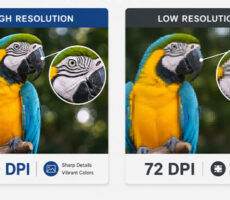
Use high-resolution images intended for print to avoid blurry or pixelated results.
Contact Information
Make the next step obvious.
Depending on your business, include:
- Website
- Phone number
- Address
- Social media
- QR code
A Call to Action
Tell the reader what to do next.
For example:
Schedule a consultation.
Visit our showroom.
Scan to view the full menu.
Book your tour today.
Without a clear call to action, even a beautifully designed brochure can leave readers wondering what they’re supposed to do next.
How to Choose the Right Brochure Type
Start with the information rather than the fold.
Ask yourself:
How much do I need to say?
If you have a small amount of information and want larger visuals, a bi-fold may make sense.
If you need several clearly separated sections, a tri-fold provides more panels.
If your message follows a sequence or process, a Z-fold can create a natural progression.
And if the design depends on a dramatic central reveal, a gate fold may be more appropriate.
Then consider where people will encounter the brochure.
Will you hand it out at an event? Put it on a counter? Include it in a sales presentation? Mail it? Place it in a visitor center?
The distribution method can influence the size, fold, amount of content, and design.
How to Design a Marketing Brochure That Gets Read
Once you’ve selected your format, keep the design focused.
Start by deciding the single most important message you want readers to remember.
Then build the content hierarchy around it:
- Grab attention.
- Explain the offer.
- Show the benefits.
- Provide supporting information.
- Tell the reader what to do next.
Don’t try to fill every available inch.
White space can make important information easier to find, while too many fonts, colors, images, and competing messages can make a brochure harder to scan.
It’s also important to design for the finished printed piece—not simply what the file looks like on your screen.
That means accounting for folds, trim lines, safe areas, image resolution, and bleed before sending your design to print.
For more detailed design guidance, see our brochure design guide.
Are Brochures Still Effective?
Brochures still serve a useful role when customers encounter a business offline or need information they can keep and reference.
A website can contain far more information, but a brochure doesn’t need to replace your website.
The two can work together.
For example, a brochure can provide the essential information someone needs while a QR code directs them to:
- A detailed product page
- Online booking
- A menu
- A portfolio
- A special offer
- A contact form
That combination lets the printed piece stay focused while giving interested customers an easy way to continue online.
Create a Brochure for Your Business
A marketing brochure gives you more space than a flyer without requiring the length of a booklet. That makes it a useful format for introducing a business, explaining services, showcasing products, supporting sales conversations, or helping customers make a decision.
The best format ultimately depends on what you need to communicate, how much information you have, and where the brochure will be distributed.
Once you know those three things, you can choose the fold and layout that make your message easiest to understand.
Ready to turn your information into something customers can take with them? Explore custom brochure printing from Overnight Prints and choose the format that fits your next marketing project.