The best way to make better connections at a networking event is to arrive with a clear goal, focus on genuine conversations instead of meeting as many people as possible, exchange contact information naturally, and follow up while the conversation is still fresh.
You walk into a room full of people wearing name tags.
Some are already talking in groups.
Someone is checking their phone.
You recognize absolutely nobody.
Now what?
Networking events can create valuable professional relationships, but simply showing up doesn’t guarantee you’ll make them.
And collecting 25 business cards isn’t necessarily more valuable than leaving with three people you genuinely want to speak with again.
A better goal is simple:
Have conversations worth continuing after the event ends.
Here’s how to do that.
Before You Go: Decide What a “Good Event” Would Look Like
Don’t walk into a networking event with the vague goal of:
“I need to network.”
Give yourself something more concrete.
Maybe you want to:
- Meet other local business owners
- Find potential referral partners
- Learn about companies in your industry
- Meet people working in a role you’re interested in
- Introduce your business to potential clients
- Find suppliers or partners
- Reconnect with existing contacts
- Learn more about a professional organization
Your goal doesn’t need to be:
Get five clients tonight.
In fact, that’s probably too aggressive for most networking situations.
Try:
Have three meaningful conversations.
That’s specific enough to keep you moving without turning every introduction into a sales pitch.
1. Know How You’ll Introduce Yourself
Eventually someone is going to ask:
“So, what do you do?”
Prepare an answer that sounds like something a human would actually say.
Instead of:
“We are an innovative, full-service solutions provider delivering comprehensive strategic solutions to clients across multiple verticals.”
Try:
“I run a small design studio. We mostly help restaurants and local businesses with branding and packaging.”
Now the other person has somewhere to go.
They can ask about restaurants.
Packaging.
Running a studio.
Local businesses.
Good introductions create openings for conversation.
They don’t close them with a corporate mission statement.
Try This Simple Formula
I [what you do] for [who you help], mostly with [specific area].
For example:
“I’m a photographer. I mostly work with restaurants and hospitality brands on food and lifestyle photography.”
Or:
“I work in commercial real estate, mainly helping small businesses find retail space.”
You don’t need to memorize the sentence word for word.
Know the idea well enough that it comes out naturally.
2. Bring What You Need—But Keep It Simple
Before leaving, check the practical stuff.
Phone charged?
Yes.
Event confirmation?
Yes.
Name tag, if you received one beforehand?
Yes.
Business cards?
Yes.
Pen?
Useful.
A giant folder containing every marketing material your company has ever created?
Probably not.
Bring what makes sense for the event.
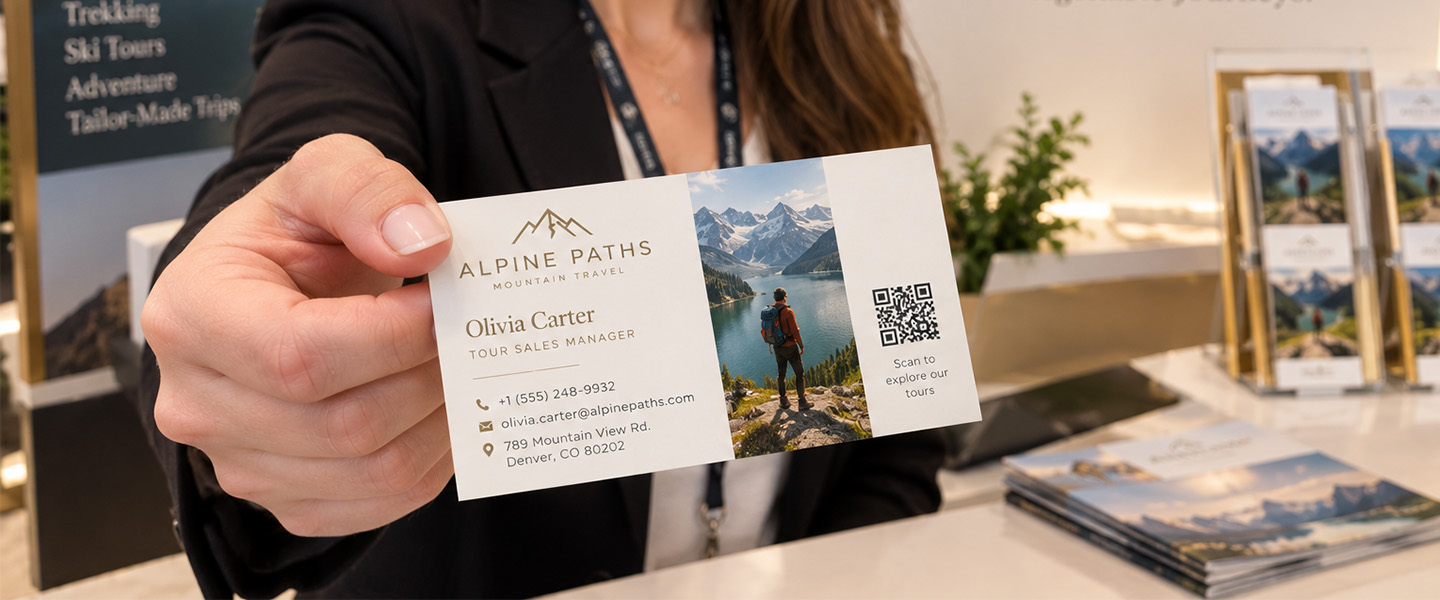
If business cards are part of your networking strategy, make sure the information is current and the cards are easy to reach.
You don’t want to spend 30 seconds digging through your bag while saying:
“I swear I have one in here somewhere.”
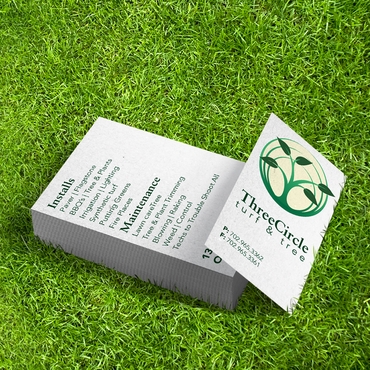
For traditional cards, our guide to what to put on a business card can help you decide which information is worth including.
3. Arrive Early Enough to Make Starting Easier
Walking into a room where everyone has already formed groups can make introductions harder.
Arriving closer to the beginning gives you a different environment.
There may be fewer people.
The organizers may have more time to talk.
Other early arrivals may also be looking for someone to speak with.
Instead of entering a room with 100 ongoing conversations, you might enter one with 15 people who are still settling in.
That’s a much easier starting point.
4. Put Your Phone Away
There’s an uncomfortable moment at almost every networking event:
You’re standing alone.
You don’t know anyone.
Your phone is right there.
So you start scrolling.
It feels safer.
But it can also make you look unavailable.
If you’re using your phone to check the event schedule or save someone’s information, that’s different.
Otherwise, keep it away when you can.
Look around.
Make eye contact.
Smile.
Give other people an opportunity to approach you, too.
5. Don’t Search for the “Most Important” Person in the Room
You don’t know where the valuable connection is going to come from.
The person you’re speaking with might not need your services.
But their colleague might.
Or they might know someone you should meet.
Or they may have experience with a problem you’re trying to solve.
Or you may be useful to them six months from now.
Networking becomes much easier when every conversation isn’t silently being evaluated as:
“What can this person do for me?”
Talk to people.
Be curious.
Let the useful connections reveal themselves.
6. Start With an Easy Question
You don’t need a brilliant opening line.
The environment already gives you something in common:
You’re both at the same event.
Try:
“Have you been to one of these before?”
“What brought you here tonight?”
“How do you know the organizers?”
“What kind of work are you in?”
“What did you think of the speaker?”
At a conference:
“Which sessions have you been to so far?”
At a local business event:
“Is your business based around here?”
These aren’t groundbreaking questions.
That’s why they work.
The goal isn’t to impress someone with the opening sentence.
It’s to get the conversation moving.
7. Ask the Second Question
Here’s where a lot of networking conversations die.
“What do you do?”
“I’m an architect.”
“Oh, cool.”
Silence.
The better opportunity is the follow-up.
“I’m an architect.”
“What kind of projects do you usually work on?”
“Mostly restaurants.”
“That’s interesting. Are you involved from the original concept or mainly once they’ve chosen a location?”
Now you’re having an actual conversation.
Listen for something you can explore.
If someone says:
“We just opened our second location.”
Don’t immediately redirect the conversation to yourself.
Ask:
“How has the second opening compared with the first?”
People remember conversations where they felt heard.
8. Stop Thinking About What You’ll Say Next
You can usually tell when someone isn’t listening.
They’re waiting.
You’re talking, but their face says:
“Please finish so I can tell you about myself.”
Good networking requires actual listening.
Pay attention to:
- Names
- Companies
- Current projects
- Problems
- Shared interests
- Places
- Upcoming plans
Those details give you better follow-up questions now—and a much better reason to reconnect later.
Instead of sending:
“Great meeting you yesterday!”
you can send:
“Great meeting you yesterday. I looked up the conference in Denver you mentioned—it looks really interesting.”
One feels generic.
The other continues the conversation.
9. Don’t Turn Every Conversation Into a Sales Pitch
Someone asks what you do.
You answer.
They seem interested.
Great.
That still doesn’t mean you need to immediately deliver a five-minute sales presentation.
Give people enough information to ask for more.
For example:
“We help local businesses with direct mail and print marketing.”
If they’re interested, they might ask:
“What kinds of campaigns?”
Now there’s permission to go deeper.
If they don’t ask, keep talking like two people at an event—not a salesperson and a trapped prospect.
10. Know When to Exchange Contact Information
You don’t need to hand someone a business card the moment you learn their name.
Wait until there’s a reason to stay connected.
Maybe you discussed:
A potential project.
A shared industry.
An introduction.
A resource you’ll send.
A future event.
A possible partnership.
Then the exchange makes sense.
You can simply say:
“I’d love to stay in touch. Do you have a card?”
Or:
“Let me give you my contact information.”
Or:
“I’ll send you that article we were talking about. What’s the best way to reach you?”
The contact exchange becomes part of the conversation instead of a transaction.
11. Choose the Contact Method That Fits the Moment

Today, exchanging contact information doesn’t always mean handing someone a paper card.
You might use:
- Printed business card
- QR code
- NFC business card
- Phone contact
Each creates a slightly different interaction.
A traditional printed business card gives the other person something physical to take with them.
An NFC card can direct a compatible phone to a digital profile.
A QR code can connect a printed card to a portfolio, website, booking page, or online contact information.
If you’re considering the digital approach, our guide to NFC business cards vs. printed cards breaks down the differences.
You don’t have to use the newest technology.
Use the method that makes exchanging information easiest for the people you actually meet.
12. Make Your Business Card Easy to Understand
If you do hand someone a business card, remember the context.
They may leave the event with several.
Tomorrow, they need to remember:
Who was this?
Your card should make that easy.
At minimum, consider including:
- Name
- Company
- Role
- Relevant contact information
- Website
- Recognizable branding
A QR code can provide access to additional information without filling the physical card with text.
And if you’re redesigning your cards before an event, don’t try to solve the problem by making everything louder.
A clear card is more useful than one overloaded with:
Four social accounts.
Two phone numbers.
Three taglines.
Every service you offer.
A paragraph about the company.
And a QR code squeezed into the corner.
If you’re working on the design itself, our guide to layout design principles covers hierarchy, alignment, white space, contrast, and other fundamentals that can help.
13. Help People Remember Why You Met
After a good conversation, give yourself a memory trigger.
You might make a quick note:
Maria — commercial realtor — expanding into Austin — talked about restaurant clients
or:
James — photographer — met near registration — send packaging article
Don’t write sensitive or unnecessarily personal details.
You only need enough context to remember the professional conversation.
This becomes especially helpful after a large conference where you may meet dozens of people in one day.
A name alone might not trigger your memory.
A name plus context usually will.
14. Learn How to Leave a Conversation Gracefully
You don’t need to spend the entire event talking to one person.
But you also don’t need to suddenly look over their shoulder and say:
“Well… I’m going to network now.”
Close naturally.
Try:
“It was really nice meeting you. I’m going to grab a drink and say hello to a few more people, but I’d love to stay in touch.”
Or:
“I’m glad we met. I’ll let you mingle, but I’ll send you that resource tomorrow.”
Or introduce them to someone else:
“Actually, you should meet Daniel. He was just telling me about something really similar.”
A good ending doesn’t diminish the conversation.
It simply creates room for both people to continue the event.
15. Follow Up Before the Conversation Becomes a Mystery
Three weeks later:
Hi Sarah,
It was great meeting you at the event!
Which event?
Who is this?
What did we talk about?
Why are you emailing me?
A follow-up is much stronger when the original interaction is still recognizable.
It also helps to include context.
Instead of:
“Great connecting! Let’s keep in touch.”
Try:
“Great meeting you at the Downtown Business Association event yesterday. I enjoyed our conversation about opening a second location. Here’s the supplier resource I mentioned.”
Now the person knows:
Who you are.
Where you met.
What you discussed.
Why you’re contacting them.
And potentially why they should respond.
The 24-Hour Follow-Up Doesn’t Need to Be Complicated
You don’t need to write a formal letter after every networking conversation.
A useful follow-up can be three sentences.
Hi Maya,
It was great meeting you at the Chamber event yesterday. I enjoyed hearing about the new restaurant you’re opening downtown. Here’s the local supplier directory I mentioned—hope it helps.
Best,
Alex
That’s enough.
If there was an obvious next step, include it.
For example:
You mentioned you’d be available next week. Would Tuesday afternoon work for coffee?
But don’t manufacture a meeting just because networking advice told you to “always book the next step.”
Sometimes staying connected is enough.
What If You Want to Connect on LinkedIn?
Don’t make the connection request another generic interaction if you’ve just had a real conversation.
If possible, add context.
Something like:
Hi Daniel—great talking with you at the marketing meetup tonight. I enjoyed our conversation about local retail campaigns. Would be great to stay connected here.
That’s much easier to recognize than an unexplained connection request.
The same principle applies across channels:
Remind them why they know you.
What If You’re Shy at Networking Events?
You don’t need to become the loudest person in the room.
Give yourself smaller objectives.
Instead of:
“I need to talk to everyone.”
Try:
“I’ll introduce myself to three people.”
Instead of walking into the biggest group, find:
- Another person standing alone
- A group of two or three with open body language
- Someone near registration
- Someone waiting for refreshments
- Another early arrival
You can also give yourself a job.
Ask questions.
Listen.
Introduce two people who might benefit from knowing each other.
Networking doesn’t require dominating conversations.
In many cases, being genuinely interested in other people is more useful.
What If You Forget Someone’s Name?
It happens.
Don’t spend the next 15 minutes trying to avoid using their name.
Say:
“I’m sorry, remind me of your name again?”
Then use it.
If you realize you’ve forgotten immediately after they introduce themselves, ask immediately.
That’s much easier than waiting until you’ve been speaking for half an hour.
A Better Goal Than Collecting Business Cards
Imagine two outcomes.
Event A
You collect 22 business cards.
You don’t remember most of the conversations.
Nobody follows up.
Event B
You meet four people.
One introduces you to a potential partner.
Another sends you a useful resource.
You schedule coffee with a third.
The fourth becomes someone you continue seeing at industry events.
Which event produced better networking?
The number of contacts isn’t the same thing as the quality of the connections.
Instead of counting cards, try evaluating the event by asking:
Did I meet anyone I genuinely want to speak with again?
Did I learn something useful?
Did I help anyone?
Is there someone I should follow up with?
Did anyone ask me to send something?
Those questions tell you much more.
If You’re Networking for Your Business, Make Yourself Easy to Remember
You don’t need to be the funniest person at the event.
Or the loudest.
Or the person with the most elaborate pitch.
You need to make the next interaction easy.
That means:
Explain what you do clearly.
Listen carefully.
Exchange useful contact information.
Give people context to remember you.
Follow up when there’s a reason to continue.
A well-designed business card can support that process by giving someone a physical reminder of your name, business, and contact information.
But the card isn’t the connection.
The conversation is.
The card simply helps the conversation continue after you leave the room.
Networking Event FAQs
What should I do at a networking event?
Introduce yourself to people, ask questions about their work or reason for attending, listen for shared interests, exchange contact information when there’s a reason to stay connected, and follow up with relevant contacts afterward.
How do you start a conversation at a networking event?
Start with the situation you’re both already in. Ask whether they’ve attended the event before, what brought them there, what they thought of a speaker, or what kind of work they do. You don’t need an elaborate opening line.
What should I say when someone asks what I do?
Give a short, conversational explanation of what you do and who you work with. Include enough detail to make follow-up questions easy without turning your introduction into a sales pitch.
How many people should I talk to at a networking event?
There isn’t an ideal number. A few useful conversations can be more valuable than briefly meeting dozens of people. Focus on the quality and relevance of your interactions rather than collecting the highest possible number of contacts.
Should I bring business cards to a networking event?
Business cards can be useful when you want people to leave with a physical copy of your contact information. Depending on your audience, you can also use QR codes, NFC cards, LinkedIn, or digital contact information.
When should I give someone my business card?
Exchange contact information when there’s a natural reason to continue the relationship, such as a shared interest, possible project, referral, resource, or future conversation. You don’t need to hand your card to everyone you meet.
How do you end a networking conversation politely?
Acknowledge the conversation, mention any next step, and make it clear you’re going to continue around the event. For example, you can say that it was great meeting them and that you’ll send the resource you discussed before moving on.
When should you follow up after a networking event?
Follow up while the interaction is still fresh. Reference the event and something specific you discussed so the recipient immediately understands who you are and why you’re contacting them.
What should I write after meeting someone at a networking event?
Mention where you met, briefly reference the conversation, and include any promised information or relevant next step. Keep the message short unless the conversation requires more detail.
How can introverts get better at networking events?
Set a manageable goal, such as speaking with three people rather than trying to work the entire room. Arrive early, approach smaller groups or other people standing alone, ask questions, and focus on listening rather than trying to perform or dominate the conversation.