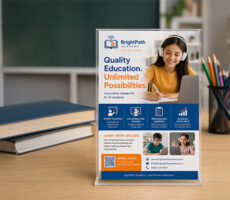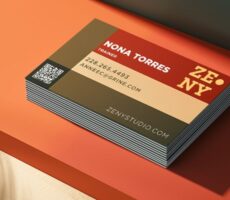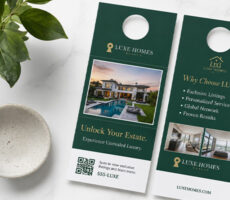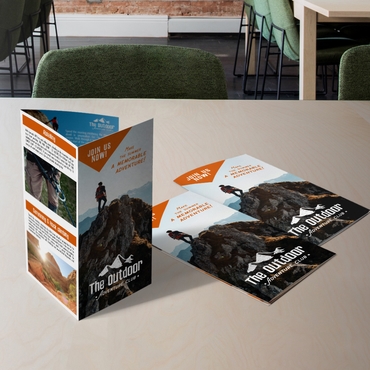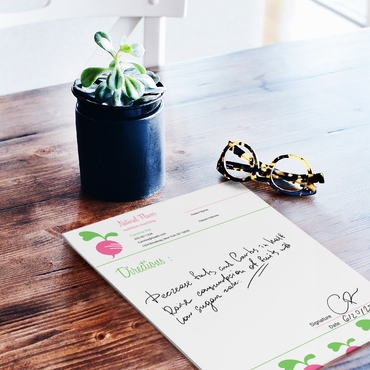
Preparing for a trade show? The right trade show marketing materials can help attract people to your booth, explain what your business offers, capture leads, and keep your brand memorable after the event.
A complete trade show setup typically includes booth displays, banners, business cards, brochures, flyers, presentation folders, handouts, giveaways, and follow-up materials. You don’t necessarily need every option—the right mix depends on your booth, audience, budget, and goals.
In this guide, we’ll break down the essential trade show materials, what each one is best for, and what you should print before your next event.
What Materials Do You Need for a Trade Show?
The most useful trade show marketing materials include:
- Booth banners and displays – Attract attention from across the event floor.
- Business cards – Make exchanging contact information easy.
- Brochures – Explain your products or services in more detail.
- Flyers and rack cards – Provide quick, easy-to-carry information.
- Presentation folders – Organize multiple sales materials professionally.
- Postcards – Promote offers, demos, or post-event follow-ups.
- Product sheets – Highlight specific products, services, or pricing.
- Branded giveaways – Keep your company memorable after the event.
- QR code handouts – Connect printed materials with demos, booking pages, or digital resources.
- Follow-up materials – Reconnect with leads after the trade show.
You don’t need to bring every type of material. Choose the pieces that support how you plan to attract, inform, and follow up with prospects.
Why Printed Marketing Materials Still Matter at Trade Shows
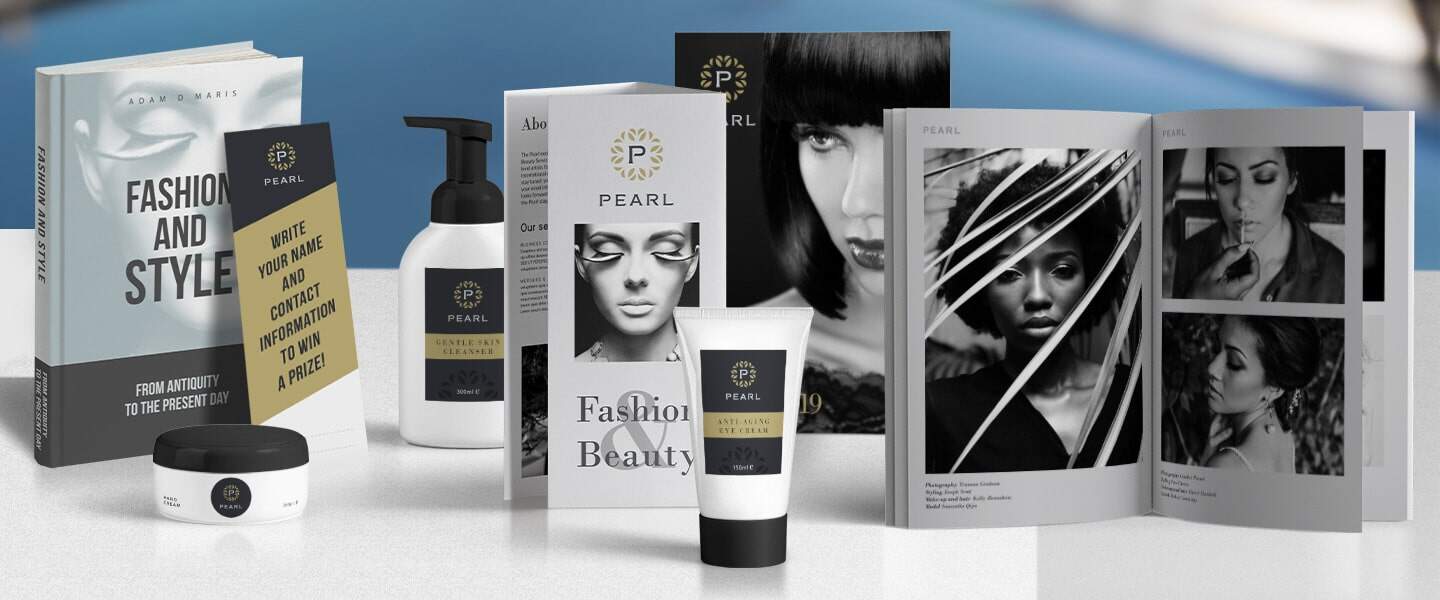
Even in a digital-first world, print is your anchor. Attendees can hold it, flip through it, and bring it back to the office. Print creates a physical reminder of your brand that travels home in a tote bag instead of vanishing into an inbox.
- Instant credibility: A polished presentation folder signals professionalism.
- Tactile engagement: People pick up what they can touch, rack cards, stickers, notepads.
- Extended lifespan: A flyer with an offer code or a premium fat business card can sit on a desk for weeks.
Pro tip: Pair printed materials with digital tools like QR codes that link to your website, product demo, or scheduling page.
Related: Folders That Sell: How to Use Pocket & Presentation Folders
10 Essential Trade Show Marketing Materials
Successful exhibitors rarely rely on a single printed piece. The most effective booths combine multiple marketing materials that support different stages of the attendee journey.
A complete trade show marketing package often includes:
- Booth banners and displays
- Business cards
- Brochures
- Pocket folders
- Flyers
- Postcards
- Promotional giveaways
- Follow-up mailers
Each piece serves a different purpose, from attracting visitors to helping prospects remember your company after the event ends.
1. Trade Show Banners and Booth Displays
Your booth is your stage. It’s the first thing people see, and it determines whether attendees stop to talk or walk past.
Think of your space as an ecosystem: every printed element should reinforce your message and brand identity.
- Large Posters & Banners: Use bold visuals and short, benefit-driven messages that can be read from a few meters away. Vertical banners and backdrop posters are perfect for highlighting your key offering or tagline.
- Branded Table Covers: A cohesive table setup instantly makes your booth look professional. Custom wraps or printed tablecloths tie your visuals together and make your booth photo-ready.
- Directional Signs & Door Hangers: If you’re tucked away in a corner or on the edge of the floor plan, clear directional signage helps people find you fast.
Pro tip: Keep branding consistent across booth signage, brochures, and business cards for maximum recognition.
2. Business Cards
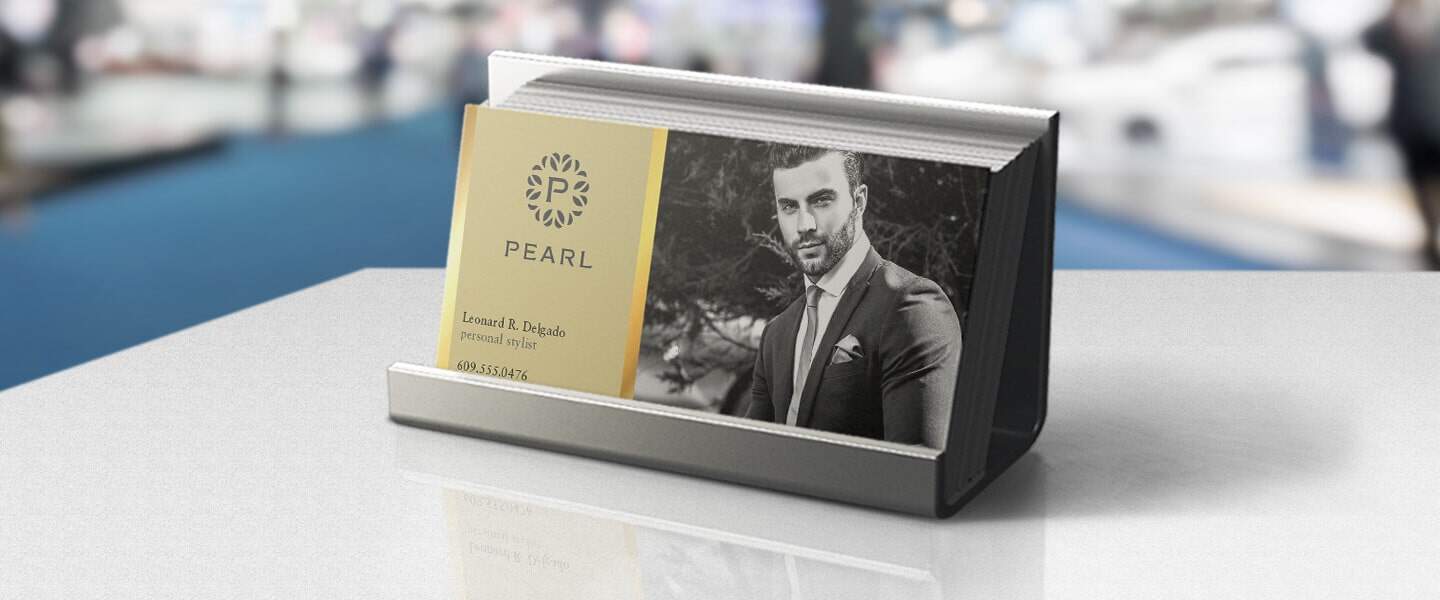
Trade shows move fast, and every conversation should end with a business card exchange. But not just any card — one that stands out the moment it lands in someone’s hand.
Consider these styles:
- Premium Business Cards for elegance.
- Euro Business Cards for a modern edge.
- Ultra Thick for a memorable feel.
Design tip: Use both sides, front for essentials, back for your tagline, QR code, or even a handwritten note.
Related: Business Card Slogans That Make You Memorable
3. Brochures
If your booth is your stage, your brochure is your script. It’s how you tell your story when you’re not there to speak for yourself.
Here’s how to choose the right format:
- Tri-fold brochures → Skimmable service overviews.
- Booklets → Ideal for catalogs or price lists.
- Rack cards → Spotlight a single promotion.
Design tip: Use large visuals, minimal text, and plenty of white space. Trade show attendees are overloaded, make your content scannable and visually engaging.
Trade show brochures should be easy to scan even when attendees only have a few seconds to look at them. Use clear headings, strong visuals, short sections, and one obvious next step. If you’re creating yours from scratch, follow these brochure design tips for effective marketing to organize the content and make the most important information easier to find.
4. Flyers and Rack Cards
5. Presentation and Pocket Folders
Many exhibitors hand out loose flyers, but those often end up crumpled in a bag or tossed out by the end of the day. A branded pocket folder changes that. It turns your handouts into a cohesive, high-value package.
Inside a pocket folder you can include:
- A brochure summarizing your services.
- A business card.
- A postcard with a show discount.
This not only keeps your materials organized, it positions your company as detail-oriented and professional.
A presentation or pocket folder works especially well when you’re giving qualified prospects several materials at once, such as brochures, product sheets, pricing information, and business cards. For more ideas on organizing these materials, see our guide to using pocket folders at trade shows and conferences.
6. Product Sheets and Sales Handouts
Product sheets are useful when prospects need more detail than a flyer or business card can provide. They let you focus on a specific product, service, or solution without making attendees read through a full catalog.
A strong trade show product sheet can include:
- Key product or service benefits
- Features and specifications
- Pricing or package options, when appropriate
- Product images or examples
- Customer results or proof points
- Contact information
- A QR code linking to a demo, quote request, or product page
Keep product sheets focused on one topic whenever possible. If you have several products or services, separate sheets can help booth staff give each prospect information that matches their interests.
For shorter conversations, flyers and rack cards can also work as sales handouts when you only need to communicate one offer or key message.
7. Postcards
Postcards are compact trade show marketing materials that can work both during and after an event.
At your booth, use postcards to promote:
- Event-exclusive offers
- Product launches
- Free consultations or demos
- Upcoming events
- QR codes for landing pages or scheduling
- Special promotions
Because postcards are small and easy to carry, attendees can slip them into a bag without adding another bulky piece of marketing collateral.
They can also support your post-event strategy. A follow-up postcard can remind qualified leads of your conversation and give them a clear reason to reconnect.
8. Branded Giveaways
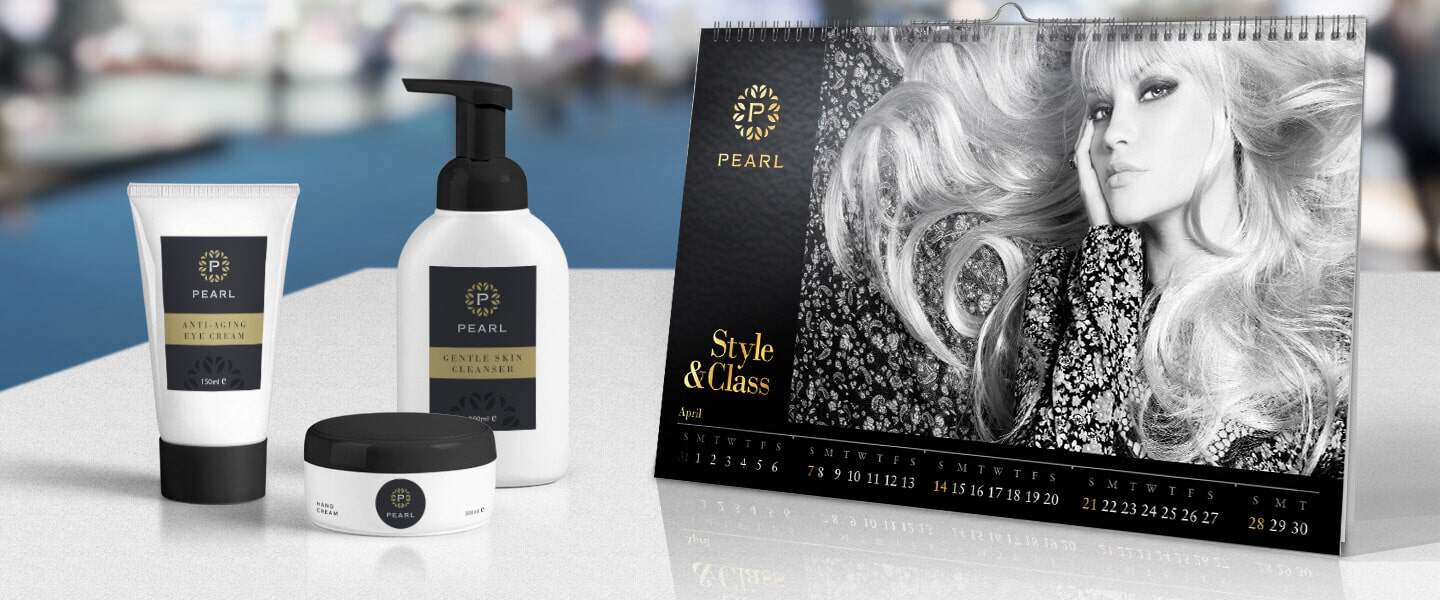
Giveaways aren’t just freebies, they’re tools for brand recall. The best ones are useful, easy to carry, and clearly branded.
Top picks for trade shows:
- Notepads: Attendees use them immediately.
- Stickers & Magnets: Small, sticky branding that travels.
- Calendars: Year-round visibility.
- Coasters: Perfect for hospitality and networking events
Bonus idea: Combine practicality with a QR code or short URL on every item so prospects can easily find you online later.
Related: How One Café Doubled Reviews Using Coasters and Stickers
9. QR Code Marketing Materials
QR codes help connect your printed trade show materials with digital resources attendees can access immediately.
You can add a QR code to:
- Business cards
- Brochures
- Flyers
- Rack cards
- Posters
- Product sheets
- Postcards
The QR code should lead somewhere useful, such as a product demo, appointment scheduler, event landing page, digital catalog, contact form, or special offer.
Avoid adding a QR code without explaining what happens after someone scans it. A simple call to action such as “Scan to book a demo” or “Scan to view the full catalog” gives attendees a clear reason to use it.
Before printing, always test the QR code at its final size and make sure it can be scanned easily from the expected viewing distance.
10. Follow-Up Materials
Your trade show marketing shouldn’t end when the event does. Follow-up materials help reconnect with prospects while your booth and conversation are still fresh in their minds.
Depending on the lead and your sales process, consider sending:
- Postcards
- Thank-you cards
- Personalized notecards
- Follow-up mailers
- Additional brochures or product information
Match the follow-up to the conversation whenever possible. A prospect who asked about a specific service may benefit from a targeted product sheet or brochure, while an important new contact may appreciate a personalized thank-you card.
Include one clear next step, such as scheduling a call, requesting a quote, visiting a landing page, or contacting your sales team.
The goal is to turn the attention you earned at the trade show into a continued conversation after the event ends.
What Are the Best Handouts for a Trade Show Booth?
The best booth handouts are easy to carry, quick to understand, and matched to the amount of information you need to share. Business cards work well for networking, while brochures, product sheets, and booklets are better when prospects need more details about your products or services.
Instead of giving every visitor the same material, choose the handout based on the conversation and what you want the attendee to do next.
| Handout | Best For | Information Level |
| Business Card | Networking and contact exchange | Very short |
| Rack Card | Highlighting one product, service, or offer | Short |
| Flyer | Promotions, event offers, or quick company information | Short–medium |
| Brochure | Company, product, or service overview | Medium |
| Product Sheet | Explaining a specific product or service | Detailed |
| Booklet | Catalogs, product collections, or complex offerings | Very detailed |
| Presentation Folder | Organizing a complete sales package | Multiple pieces |
How to Choose the Right Trade Show Handout
For quick conversations, use a business card, rack card, or flyer that gives attendees the essential information without overwhelming them.
When a prospect wants to learn more about your company, a brochure provides additional space for services, benefits, images, and contact information.
For detailed sales conversations, use product sheets or booklets to explain specifications, pricing, product options, or more complex offerings.
A presentation folder works best when you need to give qualified prospects several materials at once, such as a brochure, product sheet, business card, and additional sales information.
Whatever handout you choose, include a clear next step. That might be visiting your website, scanning a QR code, booking a demo, requesting a quote, or contacting your sales team.
The goal isn’t to give attendees as much material as possible. It’s to give them the right trade show handout for the next step in their decision process.
Trade Show Booth Materials Checklist
A successful trade show booth requires more than what you bring to the event. Use this checklist to plan your trade show materials before, during, and after the show so your brand stays visible from the first interaction through the follow-up.
Before the Show
Prepare and print your essential materials early:
- Posters and banners – Make your booth visible from across the event floor with clear branding and a simple message.
- Business cards – Give booth staff enough cards for networking and quick contact exchanges.
- Brochures – Provide prospects with a clear overview of your products, services, or company.
- Flyers – Promote specific products, offers, demonstrations, or event information.
- Presentation folders – Keep brochures, product sheets, business cards, and other sales materials organized.
- Product sheets – Give interested prospects detailed information about specific products, services, features, or pricing.
- Giveaways – Prepare useful branded items attendees can take with them and remember after the event.
At the Booth
Keep these materials visible and easy for attendees to access:
- Large displays and signage – Use banners, posters, and signs to communicate what your company offers within a few seconds.
- Handouts – Keep brochures, flyers, rack cards, and product sheets within easy reach.
- Business cards – Have cards ready for conversations with potential customers, partners, and industry contacts.
- QR codes – Connect visitors to product demos, landing pages, catalogs, contact forms, or appointment scheduling.
- Lead-generation materials – Use forms, promotional cards, QR codes, or event-specific offers to encourage attendees to take the next step.
After the Show
Trade show marketing shouldn’t end when the booth comes down. Follow up while your brand is still fresh in attendees’ minds:
- Postcards – Send a simple reminder, special offer, or invitation to reconnect.
- Thank-you cards – Add a more personal touch when following up with important prospects, customers, or partners.
- Follow-up mailers – Send additional product information, offers, or resources to qualified leads who showed interest during the event.
Quick checklist: Posters and banners, business cards, brochures, flyers, presentation folders, product sheets, giveaways, handouts, QR codes, lead-generation materials, postcards, thank-you cards, and follow-up mailers.
Trade Show vs. Conference Printing Materials
While trade shows focus heavily on lead generation, conferences often prioritize education and networking.
For conferences, consider:
- Presentation folders
- Speaker handouts
- Notebooks
- Branded notepads
- Name badge inserts
Trade shows generally require larger displays and promotional materials, while conferences benefit from educational content and professional leave-behinds.
How Far in Advance Should You Order Trade Show Printing?
Ideally, order your trade show printing at least two to three weeks before the event. This gives you time for production, shipping, artwork review, and any unexpected changes before you leave for the show.
For larger orders or more complex trade show materials, start planning even earlier. Booth displays, presentation folders, booklets, and coordinated marketing packages may require more preparation than standard business cards or flyers.
A simple planning timeline can help:
- 3–4+ weeks before: Finalize your booth strategy, messaging, quantities, and major display materials.
- 2–3 weeks before: Order brochures, flyers, business cards, presentation folders, product sheets, postcards, and other essential print materials.
- 1 week before: Review your inventory, organize materials by purpose, test QR codes, and confirm that booth staff have everything they need.
- Final days: Pack materials carefully and keep essential items such as business cards and handouts easily accessible.
Avoid waiting until the last minute whenever possible. Ordering early gives you more time to catch design errors, replace missing materials, and make sure your trade show booth materials arrive before the event.
If your event is approaching quickly, prioritize the essentials first: business cards, brochures or flyers, booth signage, and presentation folders. Additional giveaways and follow-up materials can come second.
Choosing the Right Trade Show Displays
Your display is often the first thing attendees notice from across the event floor.
Popular display options include:
- Retractable banner stands
- Large-format posters
- Fabric backdrops
- Table wraps
- Foam board signs
When choosing display printing, prioritize readability. Attendees should understand what your company offers within a few seconds of seeing your booth.
A simple message and strong visuals typically outperform crowded designs with excessive text.
Final Takeaway
Trade shows are a major investment. Make sure your materials, from booth posters and folders to brochures, giveaways, and business cards, work together to create an unforgettable impression.
With a strong print strategy, you won’t just collect leads, you’ll leave a lasting mark that competitors can’t match.
Ready to gear up for your next event? Start planning with Overnight Prints.
Frequently Asked Questions About Trade Show Materials
What marketing materials should I bring to a trade show?
Bring booth signage, business cards, brochures or flyers, handouts, presentation folders, giveaways, and materials for following up with leads. The exact mix depends on your booth goals and how much information prospects need.
What are the most important trade show booth materials?
Start with a clear booth display or banner, business cards, and one easy-to-carry handout such as a brochure, flyer, or rack card. These cover visibility, networking, and product or service information.
What are the best handouts for a trade show booth?
Brochures, flyers, rack cards, product sheets, and business cards work well because they’re easy for attendees to carry. More complex businesses may benefit from booklets or presentation folders.
What should I print for a trade show?
Common printed materials include banners, posters, business cards, brochures, flyers, rack cards, postcards, presentation folders, product sheets, and branded giveaways.
How many brochures should I bring to a trade show?
Estimate expected booth traffic rather than total event attendance. Bring enough for qualified prospects plus extra copies for unexpected traffic, multi-day events, and booth staff.
Should I use brochures or flyers at a trade show?
Use flyers for simple promotions or short messages. Choose brochures when you need more space to explain multiple products, services, benefits, or company information.
Are business cards still important at trade shows?
Yes. Business cards provide a quick physical way to exchange contact information and can complement QR codes, digital profiles, and lead-capture tools.
Should trade show materials include QR codes?
QR codes can connect printed materials to landing pages, product demos, appointment scheduling, catalogs, contact forms, or other digital resources. Make sure the destination provides a clear next step.
What printed materials work best for conferences?
Conference materials commonly include presentation folders, speaker handouts, programs, business cards, notepads, informational brochures, and other educational or networking materials.
How far in advance should I order trade show printing?
Your article currently recommends two to three weeks, so keep that answer consistent. For larger orders or complex materials, planning earlier gives you more time to review artwork, production, shipping, and potential revisions.