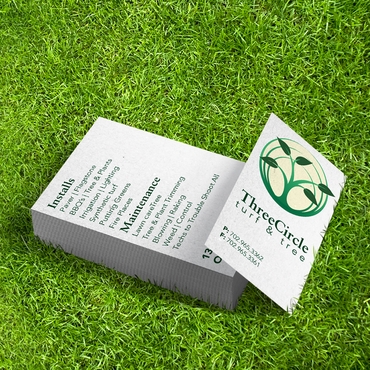
Most business cards don’t stop working because they wear out. They stop working because they become outdated.
You can have a stack of perfectly printed cards.
Clean. Professional. Still in good condition.
And they still won’t work.
Because something changed:
- your role
- your contact details
- your branding
- or the way you want to position your business
That’s the part most people miss.
👉 Business cards don’t fail physically first. They fail strategically.
So the real question isn’t just how long they last.
It’s:
👉 How long do they stay relevant?
How long business cards physically last

From a material perspective, most business cards last a long time.
Standard cards can hold up for months or even years if:
- they’re stored properly
- not exposed to moisture or bending
- handled occasionally
Thicker or premium cards last even longer.
They resist:
- creasing
- edge wear
- fading over time
If durability is your priority, options like Ultra Thick Business Cards are designed to maintain their shape and feel over extended use.
But durability alone doesn’t make a card effective.
A card that physically lasts two years but contains outdated information stops working long before that.
When business cards actually become outdated
This is where most businesses lose value.
A business card becomes outdated when it no longer reflects your current reality.
That can happen faster than expected.
Common triggers include:
- a role or job change
- updated phone number or email
- new branding or logo
- changes in services or positioning
Even small updates matter.
If someone contacts you using outdated information, the opportunity is lost.
And in most cases, you won’t even know it happened.
Signs you should reprint your business cards now

You don’t need to wait until you run out.
In fact, waiting too long often costs more.
Here are the most common signs it’s time to reprint:
- your contact details have changed
- your branding no longer matches your current image
- your card feels inconsistent with your pricing or positioning
- you hesitate before handing it to someone
- you’ve changed your target audience or services
That hesitation is important.
If you don’t feel confident giving your card to someone, it’s already outdated.
Why “using them until they’re gone” is a mistake
It feels efficient to finish your current batch before reordering.
But it often leads to missed opportunities.
Because while you’re using old cards:
- your messaging may be off
- your positioning may be unclear
- your brand may feel inconsistent
And those small mismatches affect how people perceive your business.
A business card is often the first physical touchpoint someone has with your brand.
If it doesn’t reflect where you are now, it creates friction.
How paper and finish affect how long your cards hold up

While relevance matters most, physical durability still plays a role.
Thinner cards tend to:
- bend more easily
- wear faster
- feel less durable over time
Heavier cards maintain their structure and appearance longer.
Finish also changes how a card ages.
Matte finishes tend to:
- resist fingerprints
- remain readable
- wear more evenly
Glossy finishes:
- highlight colors
- but show marks more easily
If you want to understand how finish affects perception and durability, this guide on: What’s the Best Business Card Finish for Your Brand? (Matte, Glossy, Soft Touch) breaks down when each option makes sense.
How often businesses actually reorder business cards
There’s no fixed timeline, but patterns are consistent.
Most professionals reorder when:
- they run out
- something changes
- or they realize their card no longer fits their brand
In practice, this usually happens every:
- 6 to 12 months for active networkers
- 12 to 24 months for more stable roles
But the timing isn’t the most important factor.
👉 Relevance is.
If your card no longer represents you accurately, it should be replaced—regardless of how many are left.
What to review before reprinting
Before placing a new order, it helps to step back and review your card as if you were receiving it for the first time.
Ask yourself:
- is the message clear within a few seconds?
- is the most important information easy to find?
- does the design reflect your current brand?
If the answer isn’t clear, fix that before printing.
If you need help refining your layout and messaging, this guide on How to Design Print Materials That Actually Get Read (Not Thrown Away)
explains what actually makes print materials work.
How this connects to your overall marketing
Business cards are not standalone tools.
They’re part of a larger system.
If your card is outdated, it affects:
- how people follow up
- how they remember you
- how your brand is perceived
And unlike digital updates, printed materials don’t update automatically.
They stay exactly as they were when printed.
That’s why regular review matters.
Ready to reprint your business cards?
If your current cards no longer reflect your business, it’s time to update them.
You can explore different formats, finishes, and thickness options here: Business Cards
This allows you to choose something that matches where your business is now—not where it was when your last batch was printed.
Final takeaway
Business cards don’t have a fixed lifespan.
They last as long as they stay relevant.
And in most cases, they become outdated long before they wear out.
Because the real value of a business card isn’t how long it lasts.
It’s how accurately it represents you when you hand it to someone.