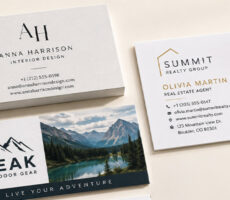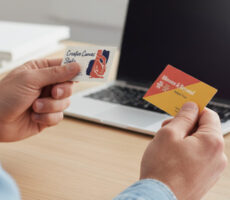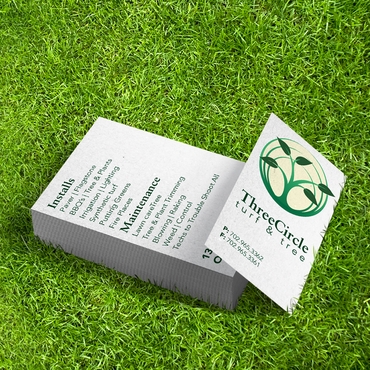
Choosing between standard and premium business cards usually comes down to one question: are premium business cards worth the extra cost?
The difference goes beyond price. Card thickness, paper stock, print quality, durability, and finish can all affect how professional your business feels when someone holds your card for the first time.
For businesses that hand out hundreds of cards, a standard option may offer the right balance of quality and cost. But when first impressions, networking, and client relationships matter, a premium card can help your brand feel more polished and memorable.
In this guide, we’ll compare standard vs. premium business cards, explain what clients actually notice, and help you decide which option makes the most sense for your brand.
Key Takeaways
- Business card quality influences first impressions before clients read the information.
- Premium business cards improve perceived professionalism and memorability.
- Thickness, paper stock, and print quality all affect customer perception.
- Simple, well-designed cards often outperform overcrowded designs.
- Choosing the right business card depends on your brand and industry.
Why Business Card Quality Matters
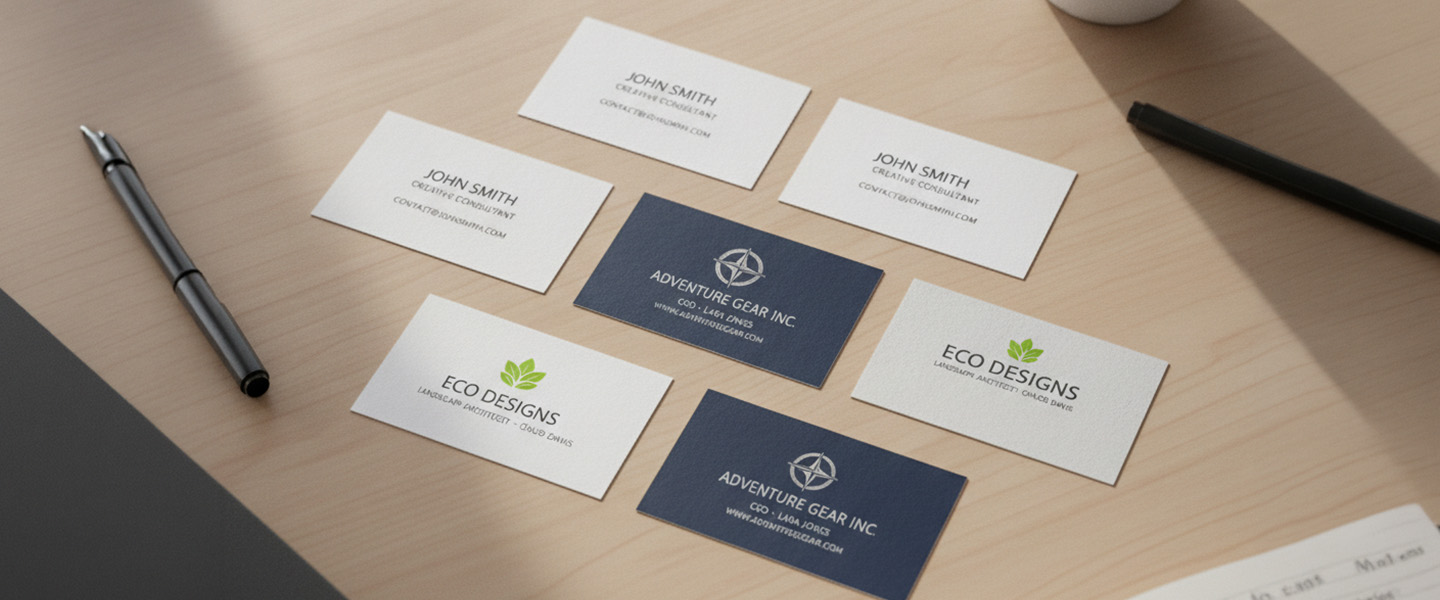
A business card is often one of the first physical interactions someone has with your brand. Before clients read your name, title, or contact information, they begin forming an impression based on how the card looks and feels.
That reaction happens almost instantly. Customers naturally associate physical quality with professionalism, attention to detail, and credibility. A well-designed card with quality materials can make a business feel more established, while a flimsy or poorly printed card may unintentionally suggest the opposite.
Business cards are more than networking tools—they’re an extension of your brand. The thickness, finish, print quality, and overall presentation all contribute to how clients perceive your business before a conversation even begins.
This is especially important in industries where trust plays a major role. Whether you’re meeting a potential client, attending a networking event, or introducing your business for the first time, a professional business card helps reinforce confidence and creates a stronger first impression.
Cheap vs Premium Business Cards: What’s the Difference?
The difference between cheap and premium business cards goes far beyond price. While both can share the same contact information and design, the materials and overall presentation create very different impressions.
Cheap Business Cards
Low-cost business cards often prioritize affordability over durability and presentation. They typically use thinner paper stock, making them more likely to bend, crease, or show signs of wear after only a short time.
Because they feel lightweight and similar to many other cards, they’re often less memorable. Clients may accept the card politely, but it can easily blend in with dozens of other business cards collected at networking events, conferences, consultations, or sales meetings.
Premium Business Cards
Premium business cards are designed to create a stronger first impression through higher-quality materials and professional printing. They often feature thicker paper stock, sharper printing, and finishes that make the card feel more substantial in the customer’s hand.
That extra weight and durability naturally encourage people to spend a little more time looking at the card, making it easier to remember after the conversation ends. Professionally printed Premium Business Cards communicate attention to detail, confidence, and professionalism without relying on overly complex designs.
Cheap vs Premium Business Cards at a Glance
| Feature | Cheap Business Cards | Premium Business Cards |
| Paper stock | Lightweight, thinner cardstock | Heavier, premium cardstock |
| Thickness | Flexible and easier to bend | More substantial and durable |
| Durability | Wears out more quickly | Designed to withstand frequent handling |
| Memorability | Can blend in with other cards | Creates a stronger physical impression |
| Customer perception | May feel temporary or generic | Reinforces professionalism and trust |
While premium business cards typically cost more, the value isn’t just in the materials—it’s in the impression they leave. When a business card feels professional, clients are more likely to associate that same level of quality with the business behind it.
What Clients Actually Notice
Most clients won’t ask about paper weight or print specifications, but they do notice how a business card looks and feels. These subtle details shape first impressions and influence how professional, trustworthy, and established your business appears.
Here are the elements customers notice most.
Thickness
The weight of a business card is often the first thing people notice. A thicker card feels more substantial and intentional, while a thinner card may be perceived as temporary or lower quality. Even before reading the information, clients begin forming opinions based on how the card feels in their hand.
Texture
Texture creates a tactile experience that helps make your card more memorable. Smooth, soft-touch, or premium finishes encourage people to hold the card a little longer, reinforcing the impression of quality and attention to detail.
Print Quality
Sharp text, vibrant colors, and crisp images communicate professionalism. On the other hand, faded colors, blurry graphics, or inconsistent printing can make a business appear less polished, even if the design itself is strong.
Design Simplicity
A premium business card doesn’t need to be flashy. Clean layouts, readable typography, and thoughtful use of white space often create a stronger impression than cards filled with excessive graphics or too much information. A simple, organized design makes it easier for clients to focus on what matters most.
Overall Presentation
Customers don’t judge each of these elements individually—they experience them together. The combination of quality materials, professional printing, and thoughtful design creates a business card that feels trustworthy and memorable. Those small details can influence how clients remember your business long after the first conversation has ended.
Quick Comparison: Cheap vs Premium Business Cards
| Cheap Business Cards | Premium Business Cards |
| Thin and flexible | Thicker and more durable |
| Often feel generic | Feel more intentional |
| Easier to forget | More memorable physically |
| Lower perceived value | Stronger professional perception |
| Basic texture and finish | More refined tactile experience |
| Often visually crowded | Usually cleaner and more balanced |
After the table, continue naturally:
Most clients will never verbally analyze these differences. But emotionally, they influence how confidently people remember and interpret the business afterward.
How Thickness Influences First Impressions
One of the first things clients notice about a business card is its thickness. While they may not know the exact paper weight, they immediately recognize the difference between a standard card and one that feels more substantial.
Standard Business Cards
Standard business cards are a practical choice for everyday networking and general business use. They provide a professional appearance while remaining lightweight and cost-effective, making them ideal for businesses that distribute cards in high volumes.
Premium Business Cards
Premium business cards use thicker paper stock and higher-quality finishes to create a stronger first impression. The added weight gives the card a more refined feel and subtly communicates professionalism, attention to detail, and confidence.
Fat Business Cards
Fat Business Cards are designed for businesses that want to stand out during face-to-face interactions. Their extra thickness creates a memorable tactile experience, encouraging clients to spend more time looking at the card and making it easier to remember after the meeting.
Ultra Thick Business Cards
For businesses that want to make the strongest possible impression, Ultra Thick Business Cards offer maximum durability and a premium feel. They’re a popular choice for luxury brands, real estate professionals, consultants, and other industries where first impressions play a significant role in building trust.
While thicker business cards typically come at a higher cost, they often provide greater perceived value. A card that feels substantial can leave a lasting impression, helping reinforce your brand long after the initial conversation has ended.
Premium Doesn’t Mean Complicated Design
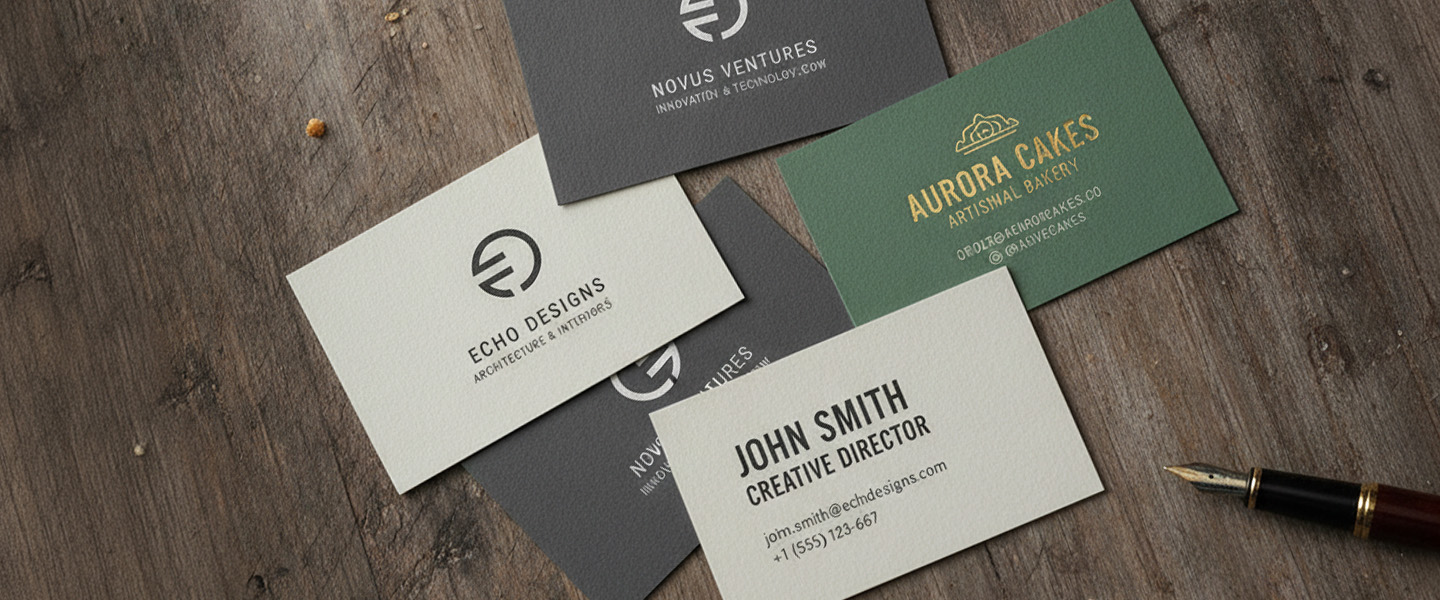
One of the biggest misconceptions about premium business cards is that they need elaborate designs to stand out. In reality, the most effective cards are often the simplest.
Rather than relying on metallic finishes, excessive graphics, or decorative elements, premium business cards create a strong impression through thoughtful design and high-quality printing. A clean layout makes it easier for clients to focus on your brand and remember the information that matters most.
Use White Space Strategically
White space isn’t wasted space—it’s a design tool. Leaving enough room around your logo, contact information, and key details helps the card feel more organized, easier to read, and more professional.
Choose Clear Typography
Simple, readable fonts create a stronger impression than decorative typefaces that are difficult to read. A clear typography hierarchy also helps clients quickly find your name, title, and contact information.
Keep the Layout Simple
Avoid trying to fill every available space. A business card should communicate the essentials without overwhelming the reader. Clean layouts with one clear focal point often feel more modern and confident than designs packed with unnecessary elements.
Maintain Branding Consistency
Your business card should feel like a natural extension of your brand. Using the same logo, colors, fonts, and visual style found on your website and other marketing materials creates a more cohesive and trustworthy customer experience.
A premium business card isn’t defined by how many design features it includes—it’s defined by how intentionally those features work together. Simple, well-executed designs often leave the strongest and most lasting first impression.
Choosing the Right Business Card for Your Brand
The best business card isn’t the most expensive one—it’s the one that reflects your brand and the impression you want to leave. Different industries often benefit from different styles and finishes.
- Professional Services – Clean, premium cards with simple layouts that communicate credibility and trust.
- Real Estate – Durable, thicker business cards that help agents stand out during networking and client meetings.
- Creative Agencies – Modern designs with distinctive layouts that showcase creativity while remaining easy to read.
- Luxury Brands – Premium paper stocks and refined finishes that reinforce exclusivity and attention to detail.
- Small Businesses – Professional, cost-effective business cards that create a polished first impression and support everyday networking.
Choosing a business card that aligns with your industry and brand helps create a more consistent customer experience and makes your business easier to remember.
Why Brand Consistency Matters
A business card shouldn’t feel separate from the rest of your brand—it should reinforce it. When your website, business cards, brochures, and other printed materials share the same logo, colors, typography, and messaging, customers experience a more cohesive and professional brand.
Consistency builds trust because it shows attention to detail. If your website looks modern but your business card uses an outdated logo or your brochures feature different branding, customers may question how current or established your business is.
Every customer touchpoint should tell the same story. Whether someone visits your website, receives your business card, or picks up a brochure, they should immediately recognize your brand and feel confident they’re interacting with the same business.
If you’re improving your overall print branding, this guide on what makes print marketing feel cheap to customers explains how presentation influences customer perception. For more tips on creating memorable business cards, explore why most business cards get forgotten.
Final Thoughts
Clients notice more about business cards than most companies expect.
Not because they consciously analyze paper stock or printing specifications, but because physical quality shapes emotional perception immediately.
Cheap business cards often feel forgettable and temporary.
Premium business cards create stronger memorability, professionalism, and trust through small but powerful physical details.
And in competitive industries where first impressions matter heavily, those details can quietly influence how clients remember the business long after the conversation ends.
Explore Premium Business Cards, Fat Business Cards, and Ultra Thick Business Cards at Overnight Prints to create business cards designed for stronger first impressions and long-term memorability.
Frequently Asked Questions
Are premium business cards worth it?
For many businesses, yes. Premium business cards create a stronger first impression through higher-quality materials, increased durability, and a more professional appearance. They’re especially valuable for businesses that rely on networking, referrals, or client relationships.
Do thicker business cards make a difference?
Yes. Thicker business cards often feel more substantial and memorable, helping reinforce professionalism and attention to detail. While thickness alone won’t guarantee results, it can positively influence how clients perceive your brand.
What’s the difference between standard and premium business cards?
Standard business cards are designed for everyday use and cost-effective distribution. Premium business cards typically feature thicker paper stock, higher-quality finishes, and enhanced durability, creating a more polished and memorable first impression.
Which business card finish is best?
The best finish depends on your brand. Matte finishes offer a clean, modern look, glossy finishes make colors more vibrant, and soft-touch finishes provide a premium feel. Choose a finish that complements your brand identity and the impression you want to leave.
What industries benefit most from premium business cards?
Premium business cards are particularly effective for real estate professionals, consultants, financial advisors, attorneys, luxury brands, creative agencies, and other businesses where trust, credibility, and first impressions play an important role.
How often should I reprint my business cards?
Reprint your business cards whenever your contact information, job title, logo, branding, or services change. Even if nothing has changed, it’s a good idea to replace worn or outdated cards to ensure they continue reflecting your business professionally.
Resources
- AIGA (American Institute of Graphic Arts) – Resources and best practices on graphic design, branding, and visual communication.
- Printing United Alliance – Educational resources on print quality, paper stocks, finishing options, and commercial printing best practices.
- Interaction Design Foundation (IxDF) – Articles and research on visual hierarchy, user perception, and design principles that influence first impressions.