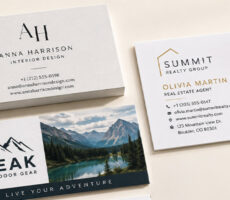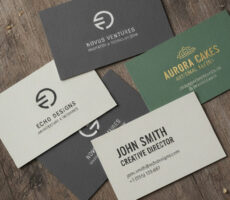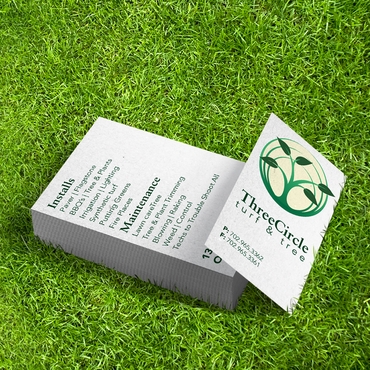
Most business cards get ignored because they fail to create a memorable first impression. The cards people actually keep usually feel professional, easy to read, visually intentional, and physically higher quality.
Most people don’t throw away business cards because they hate them.
They throw them away because they don’t remember them.
That’s the real problem.
A business card only has a few seconds to make someone think:
“This looks professional.”
“I should keep this.”
“I trust this business.”
And in 2026, that first impression matters even more.
Customers are overwhelmed with digital ads, emails, DMs, and notifications every day. A well-designed business card still stands out because it feels real. But if the design looks generic, cheap, cluttered, or forgettable, people move on instantly.
Here’s why most business cards fail — and what actually makes people keep them.
Most Business Cards Look Exactly the Same

This is the biggest issue.
Many businesses use:
- tiny unreadable text
- weak logos
- generic templates
- too much information
- outdated layouts
- cheap paper stock
The result?
The card feels disposable before the customer even reads it.
Your business card should immediately communicate:
- professionalism
- confidence
- clarity
- brand identity
Even small upgrades can completely change how customers perceive your business.
If you’re still deciding what information actually matters, this guide on what to put on a business card in 2026 explains what customers look for first.
People Remember Texture More Than You Think
A business card isn’t just visual.
It’s physical.
That means texture, thickness, and finish all influence perception.
A thin, flimsy card often feels temporary.
A thicker card instantly feels more premium and intentional.
That’s why many professionals now choose:
These styles help businesses stand out because customers physically notice the difference.
And yes — people absolutely judge quality based on touch.
The Design Is Often Trying to Do Too Much
A common mistake is treating a business card like a brochure.
Too much text creates friction.
Instead of cramming everything onto the card, focus on:
- your name
- your business
- one clear contact method
- a strong visual identity
Simple cards are usually easier to remember.
In fact, the businesses with the most effective cards are often the ones with the cleanest layouts.
If you’re deciding between finishes, colors, or textures, our guide to the best business card finish for your brand can help you choose the right style for your audience.
Cheap Printing Can Hurt Trust Faster Than Businesses Realize
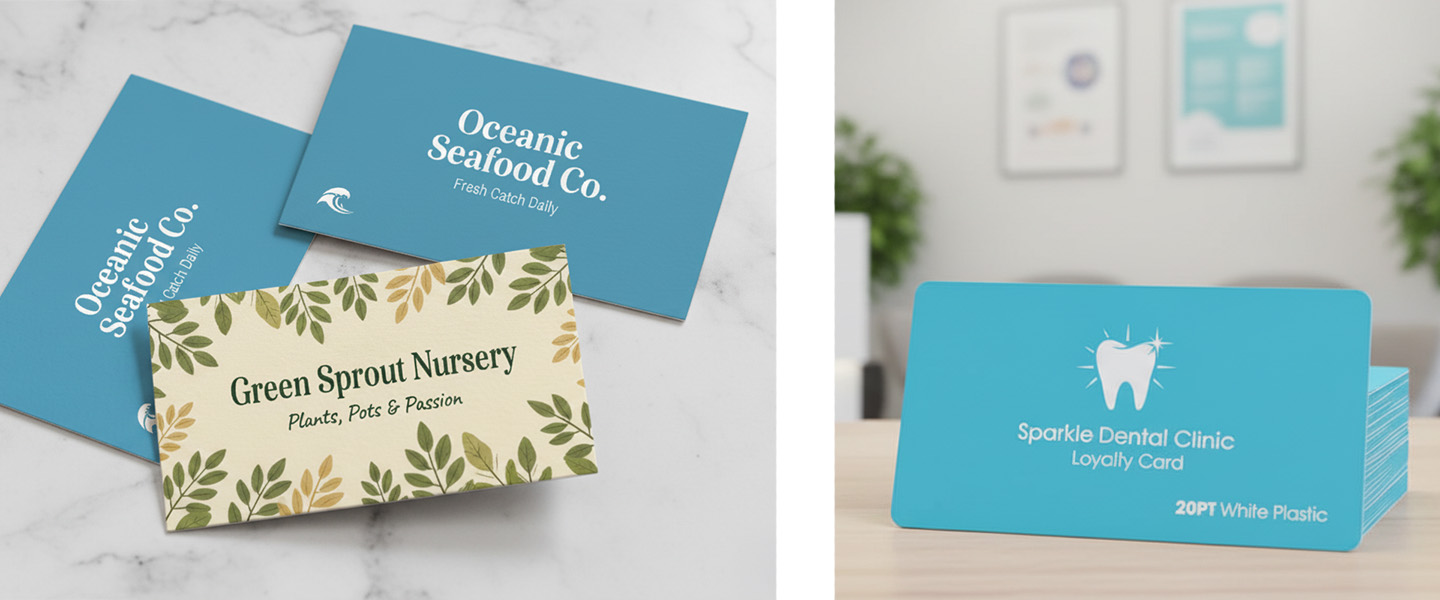
Customers notice:
- blurry colors
- faded text
- weak cardstock
- poor cuts
- low-resolution printing
Even subconsciously.
And once something feels low quality, customers often associate that feeling with the business itself.
This is especially important for:
- real estate agents
- consultants
- attorneys
- luxury services
- creatives
- local businesses competing on trust
A professional-looking card can make a business feel more established instantly.
That doesn’t mean you need the most expensive design possible.
It means the card should feel intentional.
Memorable Business Cards Usually Have One Strong Element
Not ten.
One.
That could be:
- a bold color
- a premium finish
- a unique texture
- a minimal layout
- a thicker stock
- a strong tagline
- a clean logo
The goal is not to overwhelm people.
The goal is to make the business easier to remember later.
That’s the difference between:
“Nice card.”
and:
“I still have their card somewhere.”
Business Cards Still Matter in 2026
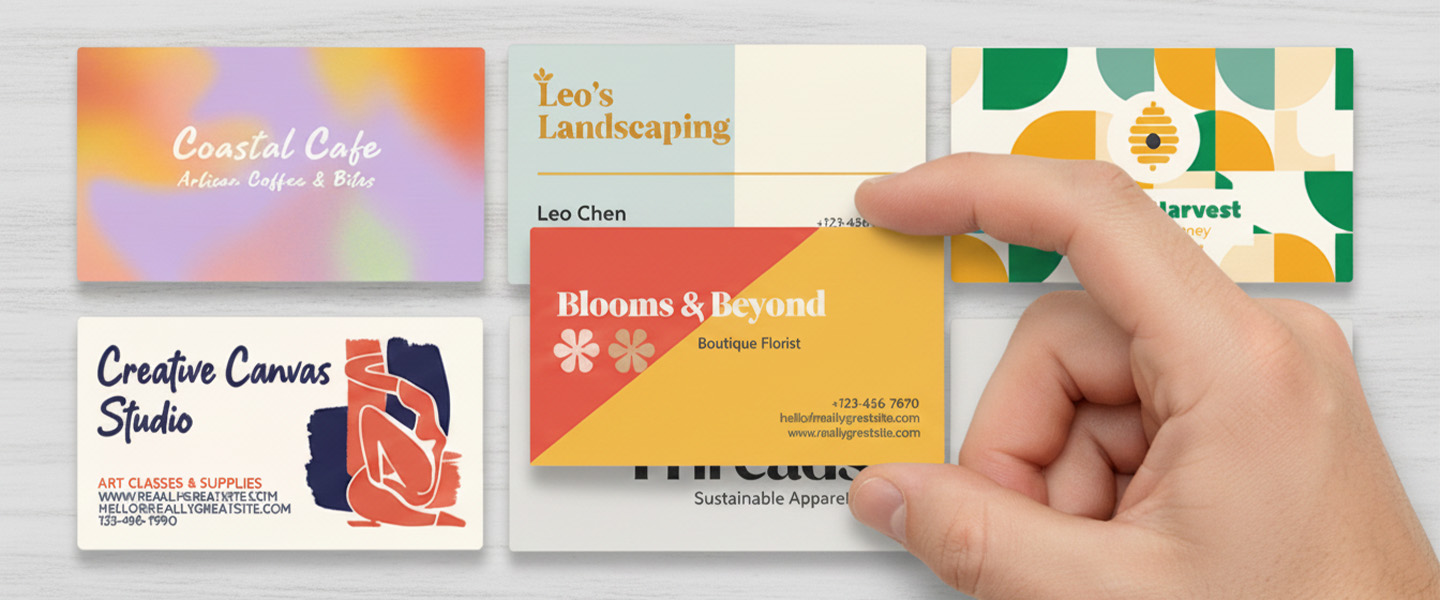
Even in a digital world.
Because physical branding creates a different kind of connection.
A good business card:
- reinforces trust
- makes businesses feel legitimate
- increases memorability
- supports referrals
- creates a stronger first impression
And unlike an ad that disappears in seconds, a business card can stay on someone’s desk, wallet, or counter for weeks.
That visibility matters.
Especially for local businesses and relationship-based industries.
Final Thoughts
Most business cards fail because they’re forgettable — not because business cards themselves are outdated.
The businesses that stand out are usually the ones that:
- keep the design clean
- choose quality materials
- focus on readability
- create a strong first impression
- invest in professional printing
If your current card feels generic, outdated, or easy to ignore, small upgrades can make a much bigger difference than most businesses expect.
Explore custom Business Cards, premium finishes, and thicker card options at Overnight Prints to create a card customers actually remember.