Key Takeaways
- Outdated print materials can weaken customer trust without businesses realizing it.
- Business cards, brochures, flyers, posters, and letterhead should be reviewed regularly.
- Consistent branding across printed and digital materials creates a more professional image.
- Small updates often make a bigger difference than a complete rebrand.
- Regular print audits help businesses maintain a modern, trustworthy brand.
Introduction
A business starts looking outdated when its printed materials no longer reflect its current brand. Outdated business cards, flyers, brochures, posters, and letterhead can quietly weaken customer trust and make a company appear less professional.
These changes often happen gradually. An old flyer in the storefront, a business card with outdated information, or a brochure that no longer reflects your services may seem minor on their own. Together, they shape how customers perceive your business.
A simple review of your print materials can help keep your brand consistent, professional, and up to date.
Why Updating Print Materials Matters
Outdated print materials can make your business appear less professional, even if your products or services haven’t changed. Keeping business cards, brochures, flyers, and signage current reinforces brand consistency and builds customer trust.
The challenge is that print materials age quietly. Employees see them every day and stop noticing small changes, while customers quickly spot outdated information, expired promotions, or inconsistent branding. Regular updates help your business look current, professional, and reliable.
Which Print Materials Should You Review First?
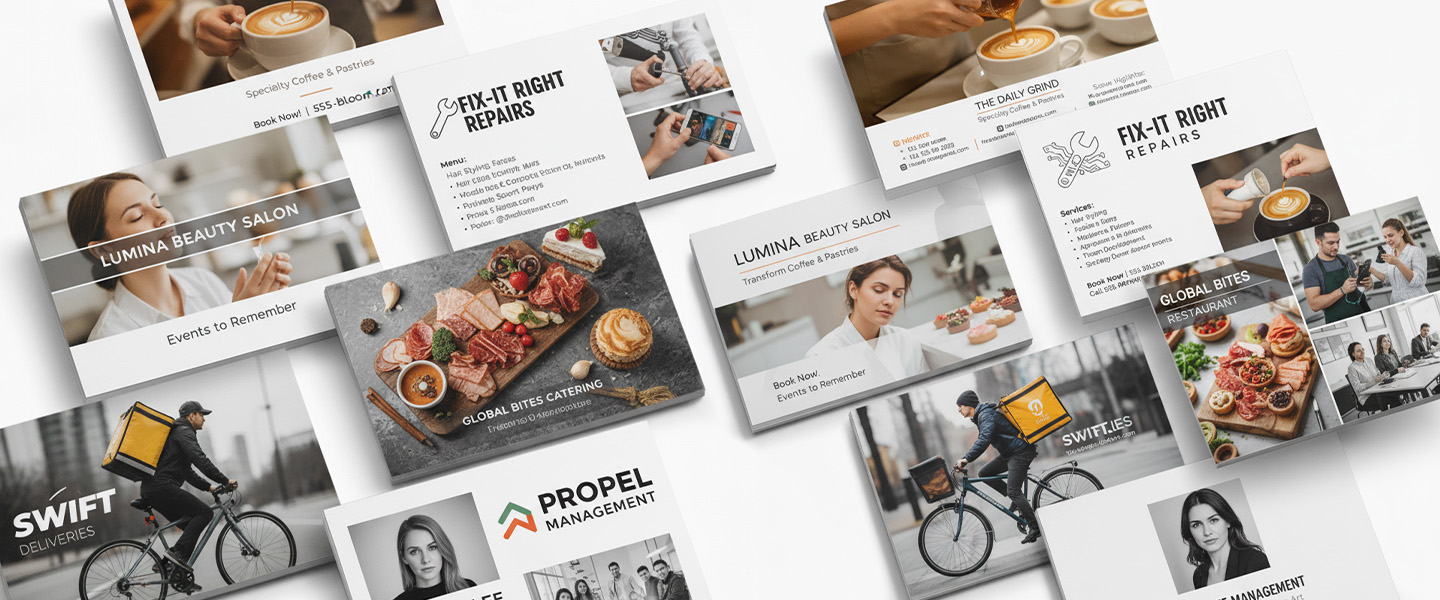
Not every printed item needs to be replaced right away. Start by reviewing the materials customers see most often and those that have the biggest impact on your brand.
Focus on:
- Customer-facing materials
- Frequently distributed materials
- Marketing pieces
- Business documents
- Storefront displays
Reviewing these items first helps you identify the updates that will have the greatest impact on customer perception before deciding what to reprint.
Business Cards
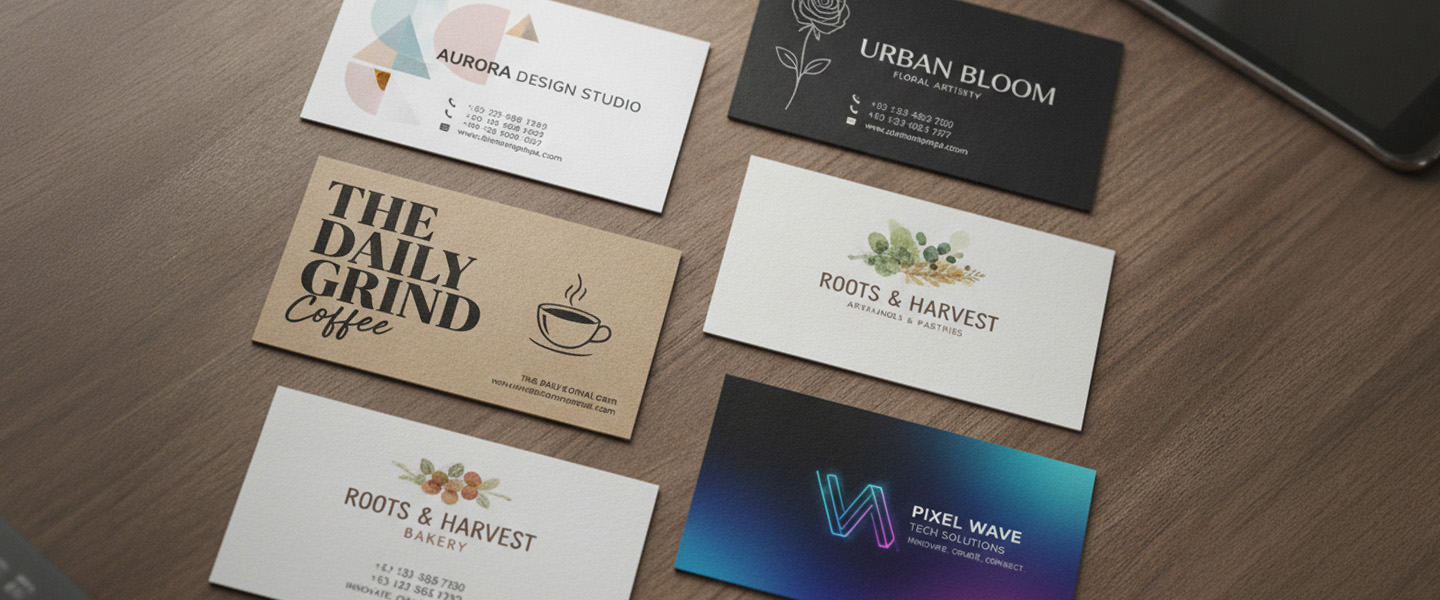
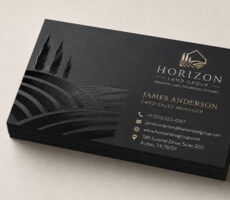
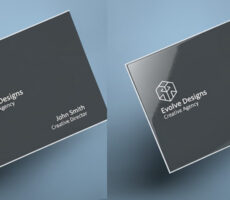
Business cards are often the first physical interaction customers have with your brand. Outdated contact information, old branding, worn cards, or low-quality paper can weaken first impressions before a conversation even begins.
Keeping your business cards current helps reinforce professionalism, builds trust, and ensures you’re sharing accurate information during networking events, client meetings, and sales conversations.
Even if your contact information hasn’t changed, worn or outdated cards can leave a weaker impression. Our guide How Long Do Business Cards Last? (And When to Reprint Yours) explains the signs that it’s time to order a fresh set.
Review your business cards if you’ve changed:
- Contact details
- Job title or team members
- Logo or branding
- Website or QR code
- Products or services
Brochures
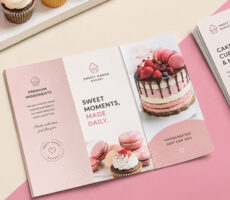
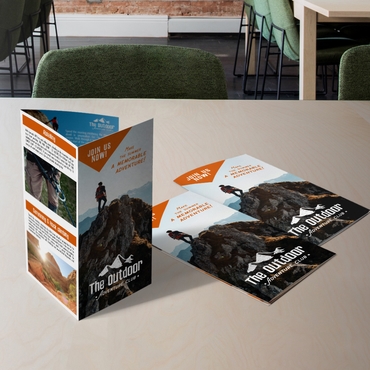
Brochures often contain detailed information about your business, so they can become outdated quickly. Changes to your services, pricing, photography, messaging, or company information can make brochures inconsistent with your current brand and create confusion for customers.
Keeping your brochures up to date helps reinforce trust and ensures customers receive accurate, professional information during sales meetings, consultations, and other important interactions.
Review your brochures if you’ve changed:
- Services offered
- Pricing
- Images or photography
- Brand messaging
- Contact information
Flyers and Posters
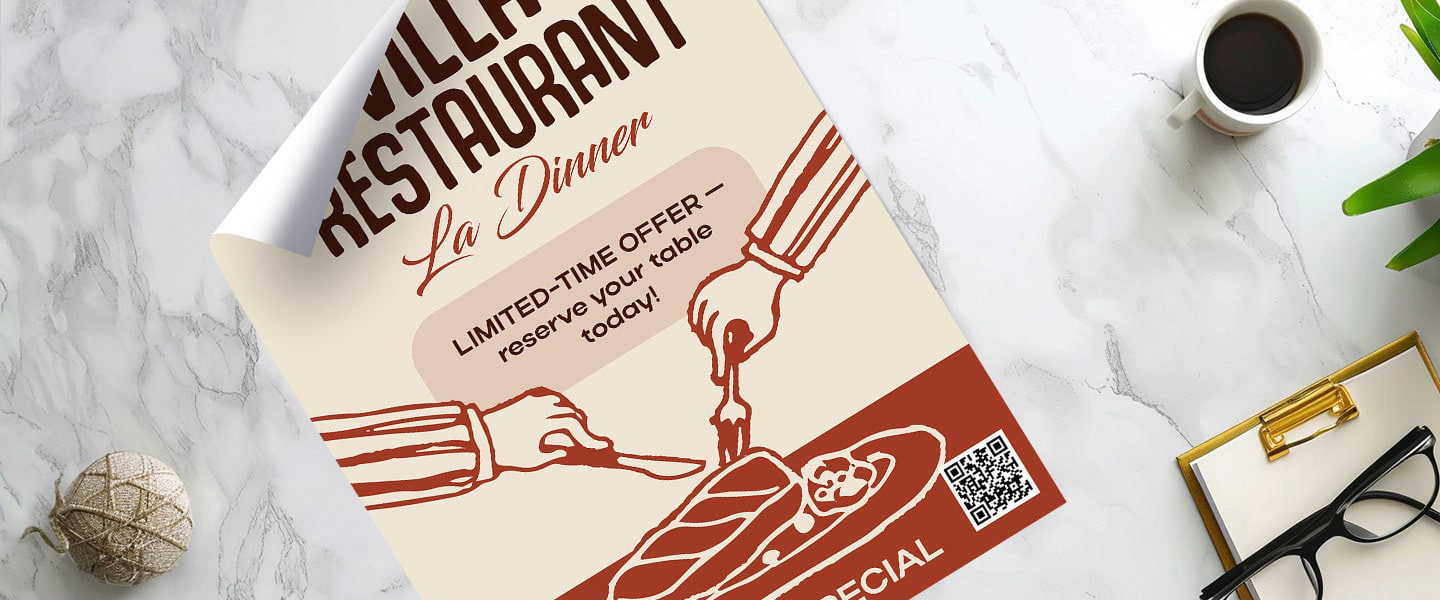
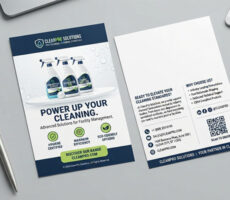
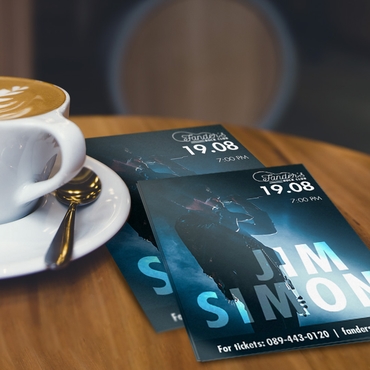
Flyers and posters help keep your business visible, but they can quickly become outdated after seasonal promotions, community events, or local marketing campaigns end. Old or worn displays can make your business appear less active and less professional.
Regularly updating these materials helps keep your storefront and marketing current while reinforcing a consistent brand image.
Seasonal campaigns are most effective when your printed materials stay current. Learn Why Some Summer Promotions Fail Before Customers Even Walk In to see how outdated promotions can reduce customer engagement.
Replace your flyers and posters when they contain:
- Expired promotions
- Outdated seasonal messaging
- Past events
- Old branding
- Worn or faded materials
Letterhead and Business Documents
Business documents are often overlooked, but they play an important role in building trust. Letterhead, invoices, contracts, proposal templates, and presentation folders should all reflect your current branding and company information.
Keeping these materials consistent helps your business appear organized, professional, and reliable in every customer interaction.
Review your business documents if you’ve changed:
- Logo
- Address
- Phone number
- Website
- Brand identity
Print Materials at a Glance
| Print Material | What to Review | When to Update |
| Business Cards | Contact information & branding | After company changes |
| Brochures | Services & messaging | Every 6–12 months |
| Flyers | Promotions & campaigns | Every campaign |
| Posters | Seasonal relevance | Every season |
| Letterhead | Company information | When branding changes |
Not every print material needs to be updated at the same time. The goal is to review each piece regularly and refresh it when your business, branding, or marketing changes. Keeping your print materials current helps create a consistent, professional experience that builds customer trust.
Why Brand Consistency Builds Trust
Customers don’t judge your business based on a single interaction. They form an impression from everything they see, including your website, printed materials, and overall customer experience.
When your business cards, brochures, flyers, posters, and other printed materials match your website and branding, your business feels more professional, organized, and trustworthy. But when information or branding is inconsistent, customers may question how current or reliable your business is.
Keeping your print materials aligned with your overall brand creates a consistent experience that strengthens customer trust and reinforces a professional image.
Consistency also influences how customers perceive your business during first impressions. Our article What Makes a Business Look “Established” at First Contact explores how professional print materials help build credibility and trust.
Updating Print Materials Doesn’t Require a Full Rebrand
Refreshing your print materials doesn’t mean starting your branding from scratch. In many cases, small updates can make a noticeable difference.
Replacing outdated information, improving print quality, refreshing layouts, or ensuring your business cards, brochures, flyers, and letterhead use consistent branding can help your business look more current and professional.
These budget-friendly improvements keep your print materials aligned with your website and overall brand, creating a more consistent customer experience without the cost of a complete rebrand.
Which Businesses Benefit Most From Regular Print Updates?
While every business should review its printed materials regularly, some industries rely more heavily on them to build trust and attract customers.
Retail Stores
Keep flyers, posters, and in-store signage current to promote seasonal sales and new products.
Professional Services
Update business cards, brochures, and letterhead to ensure contact information and branding stay consistent.
Restaurants & Cafés
Refresh menus, promotional flyers, posters, and table displays to highlight seasonal specials and current offers.
Healthcare Providers
Review brochures, patient forms, appointment cards, and office signage to maintain accurate information and a professional appearance.
Real Estate Businesses
Keep business cards, property flyers, brochures, and signage updated to reflect current listings and branding.
Local Service Companies
Contractors, landscapers, plumbers, electricians, and other service providers should regularly update business cards, flyers, door hangers, and marketing materials to ensure customers always receive accurate information.
Final Thoughts
The print materials businesses forget to update are often the same materials customers notice first.
Business cards, brochures, flyers, posters, and letterhead, all continue shaping professionalism long after businesses stop paying attention to them internally.
And because customers experience those materials with fresh perspective, even small inconsistencies can slowly weaken how current and trustworthy a business feels.
The strongest brands usually are not the ones constantly reinventing themselves.
They are the ones consistently keeping their physical branding aligned with who the business is today.
Explore professional Business Cards, Brochures, Letterhead, Flyers, and Posters at Overnight Prints to keep your print branding professional, current, and consistent across every customer interaction.
Frequently Asked Questions
How often should businesses update print materials?
Review your print materials at least twice a year and update them whenever your branding, contact information, services, or promotions change. Seasonal campaigns may require more frequent updates.
Which print materials should I replace first?
Start with the materials customers see most often, such as business cards, brochures, flyers, posters, and letterhead. These have the greatest impact on first impressions and brand consistency.
Do I need to redesign everything?
No. Most updates are simple. Refreshing contact information, replacing outdated messaging, improving print quality, or updating branding is often enough to keep your materials current.
How do outdated print materials affect customer trust?
Outdated print materials can make your business appear less professional and less organized. Inconsistent branding or old information may cause customers to question whether your business is current and reliable.
What should I include in a print audit?
Check all customer-facing materials for outdated contact information, branding, services, promotions, print quality, and overall condition. Replace anything that no longer reflects your business accurately.
How can I keep my branding consistent?
Use the same logo, colors, fonts, messaging, and contact information across your website and all printed materials. Reviewing your print assets regularly helps maintain a professional and consistent brand experience.
Resources
- U.S. Small Business Administration (SBA) – Branding, marketing, and business growth resources for small businesses.
- Printing United Alliance – Best practices, educational resources, and guidance on commercial printing, print quality, and print production.
- American Marketing Association (AMA) – Research, articles, and insights on branding, customer perception, and marketing strategy.