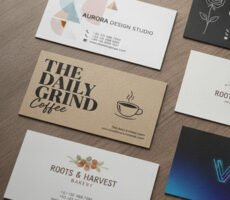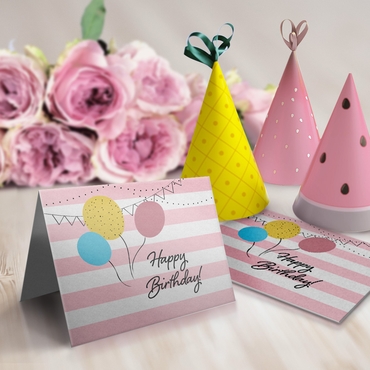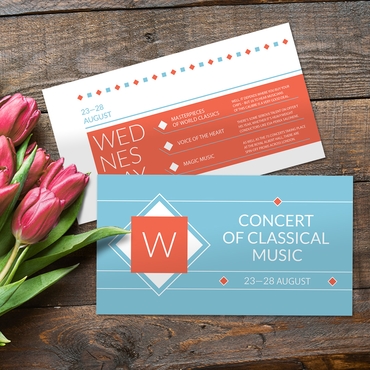
Postcards are more likely to earn attention when they feel relevant, easy to understand, useful, timely, and professionally presented.
That’s why effective postcard marketing starts with more than an offer. Businesses need to think about the entire experience—from the first visual impression to the message, timing, physical quality, and call to action.
Key Takeaways
- Relevant postcards are more likely to earn attention than generic messages.
- Simple layouts make offers easier to understand quickly.
- Paper, print quality, and design can influence how professional a postcard feels.
- Timing can determine whether a promotion feels useful or irrelevant.
- Strong postcards usually focus on one primary message and CTA.
- The format should match the audience, campaign, and information you need to communicate.
What Makes a Postcard Worth Reading?
Before customers carefully read a postcard, they notice the overall presentation.
A crowded design with several competing messages can make the information difficult to process.
A cleaner postcard creates an obvious starting point.
Customers should quickly understand:
Who is this from?
Why does it matter to me?
What should I do next?
That first impression is particularly important with direct mail because your postcard is competing with every other piece of mail the customer receives.
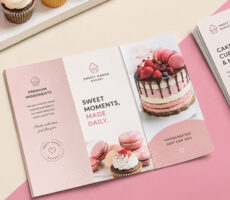
A professionally printed Postcard should make the primary message easy to identify without requiring someone to read every word.
1. Relevance Gives Customers a Reason to Pay Attention
One of the strongest postcard marketing principles is also one of the simplest:
Make the message relevant to the recipient.
A generic promotion sent to everyone may be easier to create, but it can also be easier to ignore.
Consider the difference between:
“Call us for our services.”
and:
“Planning a backyard project this summer?”
The second message gives a specific customer a reason to continue reading.
Relevance can come from:
- Location
- Season
- Customer needs
- Previous purchases
- Upcoming events
- Life stages
- Industry
- Local interests
A restaurant could promote outdoor dining as warmer weather begins.
A real estate agent could focus on neighborhood-specific information.
A home-service company could time its campaign around seasonal maintenance.
The closer the message is to what customers are already thinking about, the easier it is for the postcard to feel useful rather than generic.
2. Simple Postcard Designs Are Easier to Process
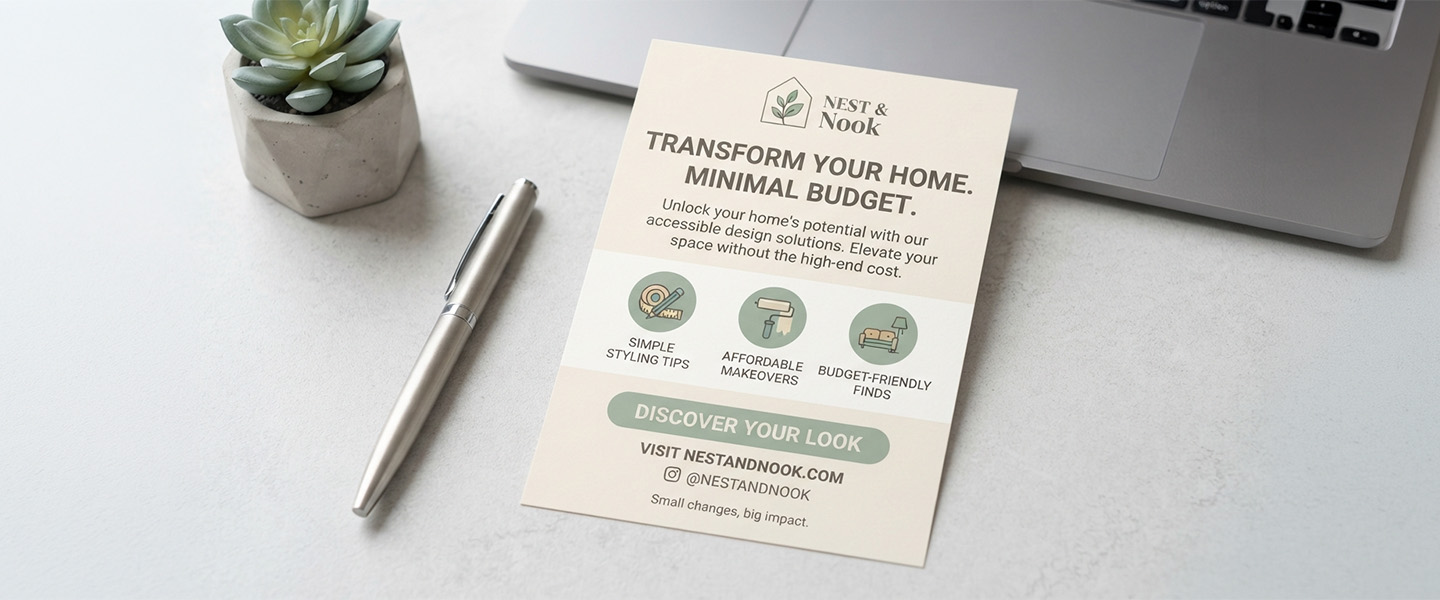
A postcard isn’t a website.
You don’t need to explain everything.
Trying to fill every inch with:
- Multiple promotions
- Long paragraphs
- Several images
- Tiny text
- Multiple CTAs
can make the postcard harder to understand.
Instead, prioritize:
- One strong headline
- One primary visual
- One central message
- Essential supporting information
- One clear CTA
If customers have to work to understand the offer, you’ve already created unnecessary friction.
For more guidance on visual hierarchy, see our article on What People Read First on Printed Promotions.
3. Physical Quality Influences the Overall Impression
Postcards aren’t only seen.
They’re held.
Paper, finish, print quality, color, and overall design all contribute to how the piece feels in someone’s hands.
That matters because direct mail enters physical spaces such as:
- Mailboxes
- Desks
- Offices
- Kitchen counters
- Reception areas
A postcard may remain visible after the initial interaction, particularly when it contains something useful such as an appointment reminder, event information, promotion, or local business offer.
This doesn’t mean every campaign needs the most expensive paper available.
The goal is to choose a print presentation that supports the brand and purpose of the campaign.
Our guide to What Makes Print Marketing Feel Cheap to Customers explores how paper, design, and presentation can influence the impression printed materials create.
4. The Best Postcards Make the Main Message Obvious
Customers shouldn’t have to search for the point.
Your visual hierarchy should tell them what to read first, second, and third.
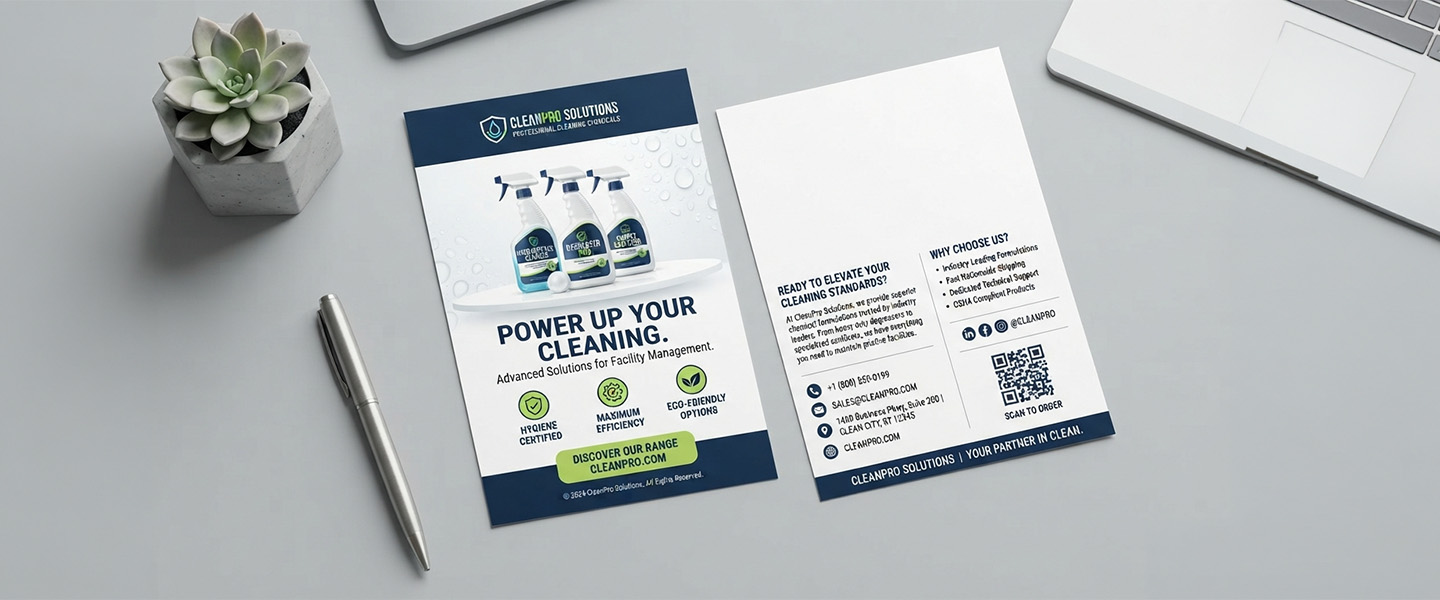
A simple structure might look like:
Headline: The main reason to care.
Supporting copy: A short explanation.
Offer or benefit: What’s in it for them?
CTA: What should they do next?
That hierarchy makes the postcard easier to scan.
If you’re unsure what information deserves space, our guide to What Should You Put on a Postcard? covers copy, layout, and CTA decisions in more detail.
5. Timing Can Make the Same Postcard More or Less Relevant
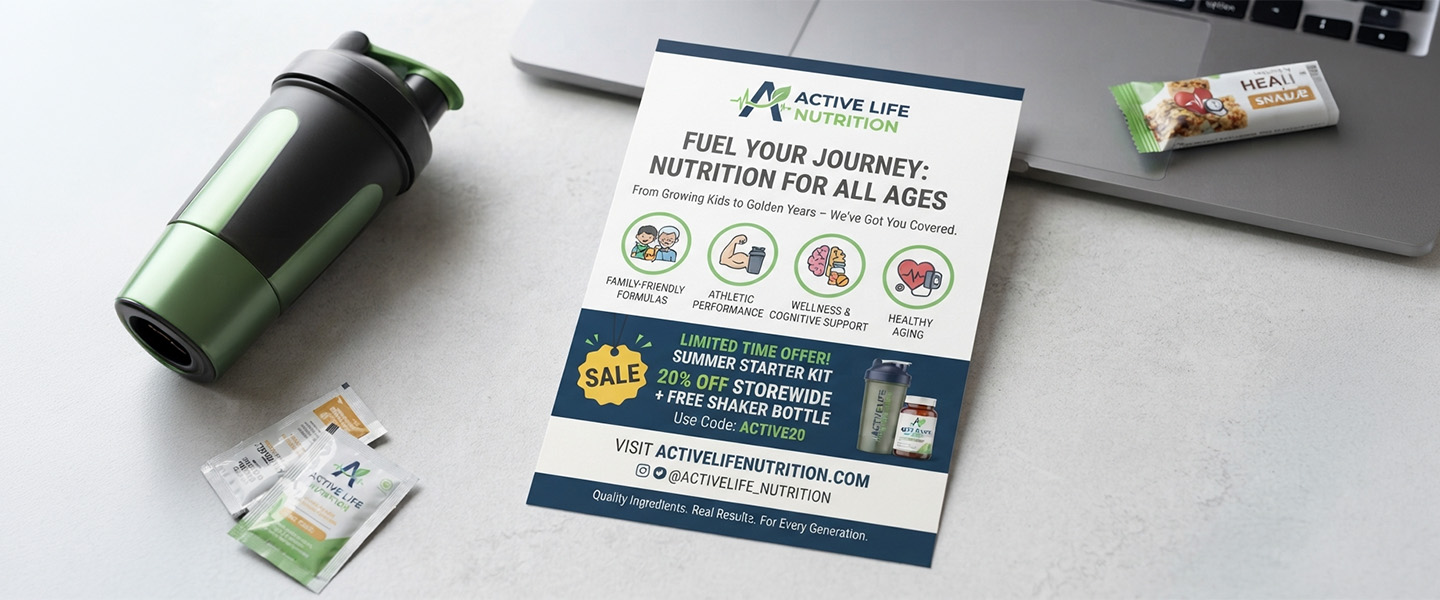
A strong offer can still underperform if it arrives too late.
Imagine receiving:
- An event postcard after registration closes
- A holiday restaurant promotion after the holiday
- A seasonal service reminder after the season has started
- A grand-opening postcard weeks after opening day
The design hasn’t changed.
The relevance has.
Plan backward from the date customers need to take action and account for design, printing, preparation, and mailing time.
This becomes particularly important for seasonal campaigns and larger mailings.
For more planning guidance, see our Postcard Mailing Size Guide and Bulk Mailing for Small Businesses.
Postcards Customers Keep vs. Postcards They Ignore
| More Likely to Earn Attention | Easier to Ignore |
|---|---|
| Relevant to the recipient | Generic message |
| Easy to scan | Overcrowded layout |
| Clear primary offer | Multiple competing offers |
| Strong visual hierarchy | No obvious starting point |
| Timely | Arrives too late |
| Professional presentation | Poor-quality imagery or printing |
| Clear CTA | No obvious next step |
| Useful information | Little reason to keep it |
No single characteristic guarantees someone will save a postcard.
But combining relevance, clarity, timing, and strong presentation gives the campaign a much better foundation.
6. Emotional Tone Should Match the Audience
The same postcard design won’t work equally well for every business.
A luxury real estate postcard might need an elegant, restrained presentation.
A family attraction can be brighter and more playful.
A local café can feel warm and inviting.
A professional service firm may prioritize clarity and credibility.
Think about what you want the recipient to feel:
- Interested
- Excited
- Curious
- Reassured
- Inspired
- Welcomed
Then make sure the photography, typography, colors, copy, and print choices support that direction.
The goal is consistency.
Your postcard should feel like it came from your business—not from a generic template that could belong to anyone.
7. Useful Postcards Have a Better Reason to Stay Around
Sometimes the best way to make a postcard memorable is to give it a purpose beyond advertising.
For example, a postcard could include:
- An event date
- Appointment information
- A discount code
- A seasonal checklist
- Contact information
- A QR code
- A useful reminder
- A limited-time offer
Giving customers a reason to reference the postcard later can extend its usefulness beyond the initial mailbox interaction.
A QR code can also connect the physical postcard to a digital destination, such as a booking page, menu, offer, event registration page, or website.
8. Your CTA Should Be Easy to Find
Once you’ve earned someone’s attention, don’t make the next step confusing.
Choose a primary action.
For example:
Book an Appointment
Visit Us This Weekend
Scan to See the Menu
Use Code SUMMER20
RSVP Today
Request a Quote
The CTA should match the purpose of the campaign.
Avoid asking customers to call, visit, scan, email, follow you on social media, and sign up for a newsletter all at once.
More choices aren’t always more helpful.
When Should You Use a Larger Mailer Instead?
A traditional postcard works well when the message can remain concise.
But some campaigns need additional visual or content space.
Mailers can make sense for:
- Larger promotions
- Retail campaigns
- Image-heavy designs
- Multiple related offers
- Campaigns that benefit from greater visual presence
Before moving to a larger format, make sure you actually need the additional space.
If one strong message communicates the offer, a standard postcard may be enough.
When Can Greeting Cards Work Better?
Not every direct mail campaign needs to feel promotional.
Greeting Cards can create a different experience for campaigns focused on relationships rather than immediate sales.
Businesses might consider them for:
- Thank-you messages
- Holiday communication
- Customer appreciation
- Client anniversaries
- Relationship-building campaigns
The format itself feels different from a traditional promotional postcard, so the copy and design should reflect that more personal purpose.
Common Postcard Marketing Mistakes to Avoid
Trying to Say Everything
Focus on the message that matters most.
Using a Generic Headline
Give recipients a reason to care immediately.
Hiding the Offer
Don’t make people search for important information.
Adding Too Many CTAs
Choose one primary next step.
Ignoring the Mailing Side
Your design still needs adequate room for addressing, postage, and postal processing requirements.
Using Low-Quality Images
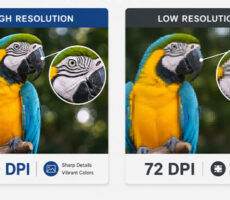
Pixelated or poorly prepared graphics can weaken an otherwise strong design.
Forgetting Mobile Users
If you’re linking to a website or landing page through a QR code, make sure the destination works well on a phone.
Printing Before Testing
Proofread names, dates, offers, URLs, phone numbers, QR codes, and other important details before placing a large order.
For additional inspiration, explore our 25 Postcard Design Ideas That Get Responses.
Why Choose Overnight Prints for Postcard Printing?
A strong campaign starts with the message, but the final printed piece still needs to bring that idea to life.
Overnight Prints offers custom Postcards, Mailers, and Greeting Cards for businesses planning direct mail and customer communication campaigns.
Choose the format, design, and print options that support how you want customers to interact with your message.
Frequently Asked Questions
What makes a postcard effective?
Effective postcards generally combine a relevant message, clear visual hierarchy, concise copy, professional presentation, and an obvious CTA.
How much information should you put on a marketing postcard?
Include enough information for customers to understand the message and next step without overcrowding the design. Additional information can be provided through your website, QR code, landing page, or other channels.
What should customers notice first on a postcard?
Usually, the headline or primary visual should establish the main message first. Supporting information and the CTA should follow in a clear hierarchy.
Are postcards still effective for marketing?
Postcards remain a practical direct-mail format for local promotions, events, real estate, restaurants, home services, customer communication, and other campaigns where businesses want to reach customers physically.
Should a postcard have one offer or multiple offers?
One primary offer is generally easier to communicate clearly. Multiple offers can work when they’re closely related and the layout remains easy to understand.
How can you make a postcard more memorable?
Focus on relevance, strong visuals, concise messaging, useful information, consistent branding, and a clear reason for the recipient to keep or act on the postcard.
Should I use a postcard or a mailer?
Choose a postcard when the message is relatively concise. Consider a larger mailer when the campaign genuinely needs more space for visuals or information.
What should I check before printing postcards?
Review the copy, images, dates, contact details, URLs, QR codes, mailing layout, print specifications, and current postal requirements before ordering a large quantity.
Conclusion
The postcards customers remember aren’t necessarily the ones with the most information or the biggest promotion.
They’re the ones that quickly answer:
Why should I care?
A strong postcard feels relevant, communicates its message clearly, arrives at the right time, and gives the customer an obvious next step.
Keep the design simple. Make the message useful. Match the tone to your audience. And think about the entire experience—from the moment the postcard arrives in the mailbox to what you want the recipient to do afterward.
Explore custom Postcards, Mailers, and Greeting Cards from Overnight Prints when you’re ready to turn your next direct mail idea into a physical campaign.
Resources
- USPS PostalPro — Postal requirements, mailing resources, and updates for business mailers.
- Federal Trade Commission — Advertising and Marketing — Guidance for businesses creating advertising and marketing campaigns.