You should update your business print materials whenever your contact information, branding, products, services, pricing, or promotions change. Even when nothing major has changed, reviewing materials like business cards, flyers, brochures, posters, and letterhead at least twice a year can help you catch outdated information, worn designs, and inconsistencies before customers do.
A mid-year print audit is a simple way to identify what still works and what needs refreshing. Business cards may have outdated contact details, flyers may promote expired offers, brochures may no longer reflect your current services, and signage can become faded or irrelevant over time.
Keeping these materials accurate and consistent helps your business maintain a professional image and ensures customers always receive up-to-date information.
Key Takeaways
- Mid-year is the ideal time to review and refresh your printed marketing materials.
- Outdated business cards, brochures, flyers, and signage can weaken customer trust.
- Small updates often make a bigger impact than a complete rebrand.
- Consistent print materials reinforce a professional brand image.
- A simple mid-year print audit helps businesses stay current and prepared.
Why Mid-Year Is Usually When Print Materials Start Looking Outdated
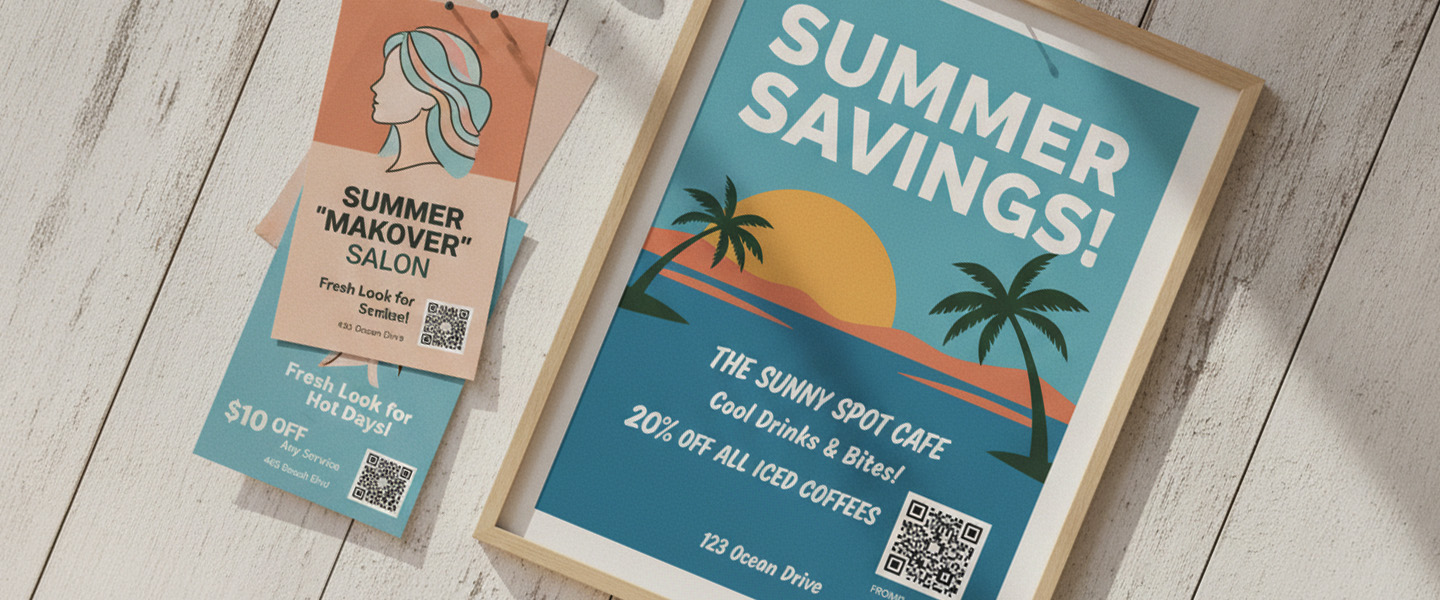
The middle of the year is a natural checkpoint for your business. By this point, you’ve likely updated products, services, promotions, or even parts of your branding—but your printed materials may not have kept pace.
While digital content can be updated in minutes, physical marketing pieces often stay in circulation much longer. Business cards, brochures, flyers, posters, and letterhead that looked current in January may no longer reflect your business accurately by summer.
Several changes can happen in just a few months:
- New services or products are introduced.
- Seasonal promotions replace earlier campaigns.
- Employees change roles or contact information.
- Brand colors, logos, or messaging evolve.
- Storefront signs and printed displays begin to fade from daily exposure.
Individually, these updates may seem minor. Together, however, they create inconsistencies that customers notice much more quickly than businesses do.
Mid-year also tends to be one of the busiest times for customer interaction. Summer events, networking opportunities, local promotions, conferences, and increased foot traffic mean more people are seeing your printed materials in person. Every brochure, business card, or poster becomes part of the impression your business leaves behind.
Refreshing your print materials doesn’t necessarily mean starting over with a new brand. Often, it’s simply about making sure everything customers see reflects who your business is today. Consistent, up-to-date materials reinforce professionalism, build trust, and help create a seamless experience across every customer touchpoint.
A quick mid-year review can help you identify which materials still represent your business well—and which ones are ready for an update before customers notice they’re outdated.
Which Print Materials Should You Review First?
Not every printed item needs to be replaced every few months. In many cases, a simple review is enough to identify which materials still reflect your business accurately and which ones are ready for an update.
Start by focusing on the print pieces customers see most often or those that play a role in first impressions. These materials have the greatest impact on how professional, organized, and current your business appears.
The highest-priority items to review include:
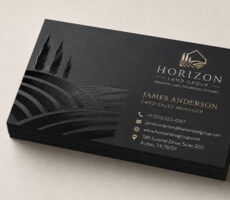
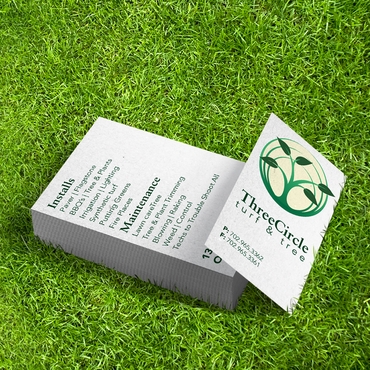
- Business cards – Check contact information, job titles, branding, and overall condition.
- Flyers and posters – Remove expired promotions, outdated messaging, or seasonal campaigns that are no longer relevant.
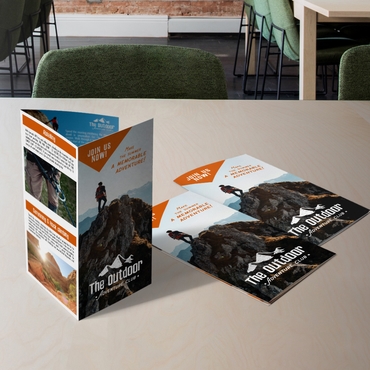
- Brochures – Review services, pricing, photography, and branding to ensure they match your current business.
- Letterhead and business documents – Make sure invoices, proposals, and printed correspondence use consistent branding and up-to-date company information.
By reviewing these materials first, you can quickly identify the updates that will have the biggest impact on customer perception. Even small improvements—like replacing worn business cards or removing outdated posters—can help your business look more polished and trustworthy throughout the rest of the year.
Business Cards Are Usually the First Thing That Needs Updating

Business cards age faster than many companies expect.
If you’re unsure whether it’s time to reorder yours, read our guide on How Long Do Business Cards Last? (And When to Reprint Yours) to learn the common signs that it’s time for a refresh.
Not because the paper physically wears out immediately, but because businesses themselves evolve constantly throughout the year.
A business card printed six months ago may already contain:
old contact details,
outdated services,
previous job titles,
old QR codes,
or branding that no longer fully matches the company’s current identity.
And because business cards are often exchanged during first impressions, even small inconsistencies can influence how professional the business feels.
This is especially important during:
- networking events
- conferences
- consultations
- client meetings
- sales presentations
because customers often judge preparation and credibility through presentation before the conversation even develops fully.
A fresh, professionally printed business card immediately communicates more attention to detail than one that feels worn, outdated, or disconnected from the company’s current branding.
Signs It’s Time to Reprint Your Business Cards
Review your business cards if you’ve recently changed:
- Contact information (phone number, email address, or website)
- Job title or team members
- Logo or brand colors
- QR code destination
- Services or specialties
- Social media handles
- Paper finish or overall card condition
Even if your information hasn’t changed, worn corners, faded colors, or outdated branding can leave a weaker first impression than you realize. Since business cards are often exchanged during networking events, conferences, and client meetings, keeping them current helps reinforce your professionalism every time you hand one out.
Flyers and Posters Expire Faster Than Businesses Realize
Temporary promotions have a habit of staying visible far longer than intended.
This is one of the most common mid-year branding problems businesses face.
Unlike digital campaigns that can be updated instantly, printed materials often remain on display until someone remembers to replace them. A quick mid-year review helps ensure every visible promotion still supports your current marketing goals.
An outdated poster inside a storefront may seem harmless internally because employees stop noticing it after seeing it every day. Customers don’t have that familiarity. They notice immediately when a promotion feels expired, visually faded, or no longer relevant to the season.
The same thing happens with old flyers distributed months earlier.
Businesses often forget how quickly seasonal marketing becomes visually outdated, especially during summer when customers expect businesses to feel active, current, and responsive.
Seasonal campaigns lose their impact faster than many businesses expect. Our article on Why Some Summer Promotions Fail Before Customers Even Walk In explains why keeping printed marketing current can make a significant difference.
A flyer advertising spring promotions in July quietly signals lack of attention.
A faded storefront sign can unintentionally make a business feel neglected.
An old event poster still hanging in the window weakens urgency and relevance.
Physical marketing sends signals constantly, even when businesses are no longer actively thinking about the campaign itself.
Whether it’s a storefront poster, an in-store flyer, or a window display, every printed piece should reinforce your current campaign rather than remind customers of one that’s already over.
That’s why mid-year is often the best moment to refresh:
- seasonal messaging
- promotional visuals
- event signage
- local campaign materials
- storefront visibility
before customers begin mentally associating the business with outdated information.
Signs It’s Time to Reprint Your Flyers and Posters
Review your marketing materials if they include:
- Expired promotions or limited-time offers
- Seasonal messaging that no longer matches the time of year
- Past events or outdated dates
- Old pricing or discontinued products
- Outdated branding, logos, or brand colors
- Faded colors or damaged materials from sunlight or heavy use
- Store hours or contact information that have changed
Customers notice these details much faster than employees who see the same displays every day. Replacing outdated flyers and posters helps your business appear active, organized, and attentive to current customer needs.
Brochures Quietly Shape Customer Trust
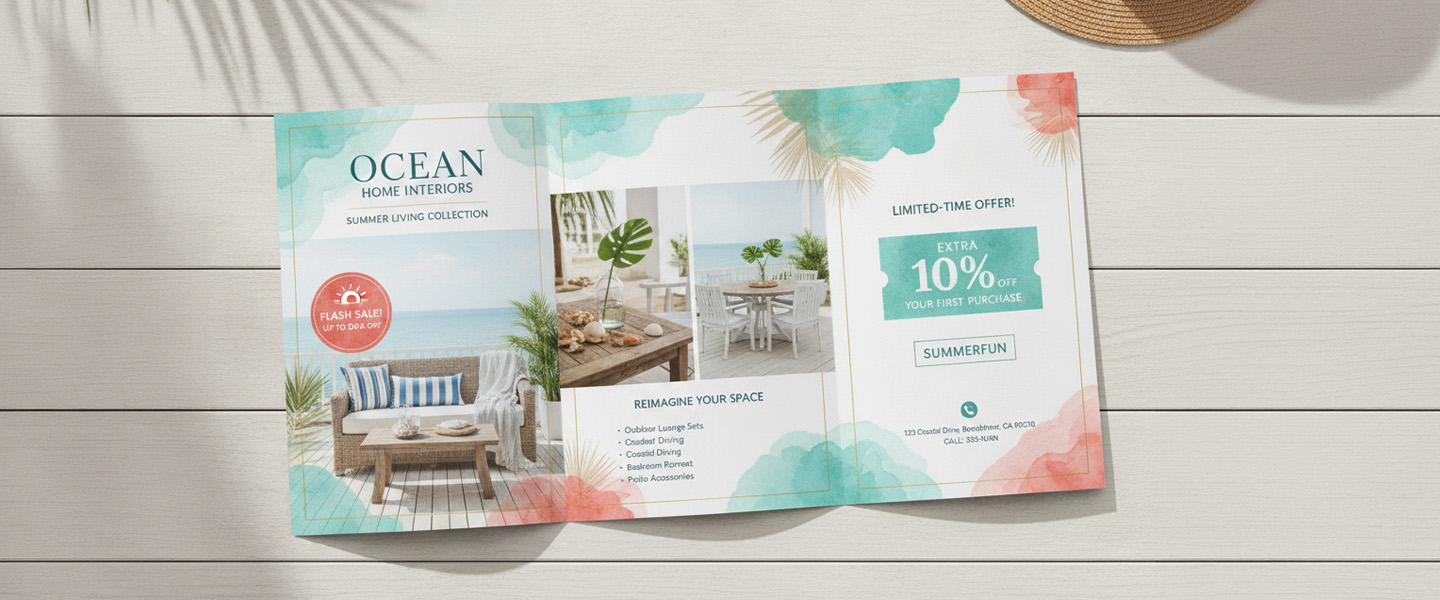
Brochures are different from flyers because customers spend more time with them.
Want to improve brochure performance? Read Why Some Brochures Get Read — And Others Go Straight in the Trash for practical tips on creating brochures that customers actually keep.
A brochure usually appears during moments where trust matters: consultations, meetings, presentations, office visits, or sales conversations.
Because brochures often support purchasing decisions rather than simply attracting attention, outdated information can create confusion at exactly the moment customers are evaluating your business.
That means inaccuracies feel more noticeable.
Many businesses continue using brochures containing: old photography, outdated services, retired pricing, inconsistent messaging, or branding styles that no longer reflect the business accurately.
And because brochures often communicate more detailed information, customers subconsciously interpret outdated materials as signs the business itself may also be behind.
Professionally printed brochures should feel aligned with the company’s current positioning, not with a version of the business from two years ago.
This is especially important for businesses competing in industries where professionalism strongly influences conversions, such as: real estate, consulting, legal services, finance, healthcare, and high-ticket local services.
The stronger the visual consistency feels, the more trustworthy the business appears overall.
Signs It’s Time to Update Your Brochures
Review your brochures if they include:
- Services that have changed or are no longer offered
- Pricing that is outdated or no longer accurate
- Photography that no longer reflects your business, team, or products
- Branding that doesn’t match your current logo, colors, or visual identity
- Messaging that no longer reflects your value proposition or target audience
- Customer testimonials that could be refreshed with more recent success stories
- Calls to action that point to outdated websites, QR codes, or contact information
Unlike flyers, brochures are often kept for weeks or even months. Keeping them accurate and aligned with your current brand helps customers feel confident they’re receiving up-to-date information whenever they’re ready to make a decision.
Letterhead and Business Documents
Digital communication has become the standard for many business interactions, but printed documents still play an important role in building credibility. Whether you’re sending a proposal, presenting a contract, or handing a client an information packet, every printed piece reflects your brand.
Unlike social media posts or online ads that disappear quickly, business documents often remain visible for days, weeks, or even months. They may sit on a client’s desk, be shared during meetings, or become part of important records. That’s why consistency across all printed materials matters.
Review your business documents if you’ve recently updated your branding, contact information, or company messaging. Even small inconsistencies can make your business appear less organized than it actually is.
Signs It’s Time to Update Your Business Documents
Review the following materials to make sure they still reflect your current brand:
- Letterhead with outdated logos, colors, or contact information
- Invoices that don’t match your current branding
- Proposal templates with old messaging, services, or company details
- Presentation folders that no longer align with your visual identity
- Printed forms or onboarding documents containing outdated information
- Envelopes and other branded stationery that use previous branding elements
Keeping these materials consistent helps create a more professional experience at every stage of the customer journey. When every printed document reflects the same visual identity, clients are more likely to see your business as organized, established, and trustworthy.
Why Consistency Builds Customer Trust
Customers rarely judge your business based on a single interaction. Instead, they form an impression by combining everything they see—from your website and social media to your printed materials and in-store experience.
When all of those elements feel consistent, your business appears more professional, organized, and trustworthy. But when they don’t match, customers begin to question how current or reliable your business really is.
They notice when:
- Your website looks modern, but your brochures feature outdated branding or services.
- Your social media reflects your latest visual identity, but your business cards still use an old logo or contact information.
- Your storefront signage promotes one message while your printed materials communicate something different.
- Your digital marketing feels polished, but your printed documents appear worn or inconsistent.
Most customers won’t point out these differences, but they still influence how your business is perceived. Small inconsistencies can make a company feel less established, even when the products or services are excellent.
Maintaining consistent print materials doesn’t mean updating everything every few months. It means making sure every customer touchpoint reflects the same brand, the same message, and the same level of professionalism.
When your business cards, brochures, flyers, posters, letterhead, and digital presence all work together, customers experience one clear and cohesive brand. That consistency builds confidence—and confidence is often the first step toward earning trust.
Mid-Year Print Audit Checklist
A mid-year print audit doesn’t have to be complicated. Taking a few minutes to review your most visible marketing materials can help you identify outdated information, worn materials, and branding inconsistencies before they affect customer perception.
Use the checklist below to determine which print pieces should be reviewed first and when it’s typically a good time to reprint them.
| Print Material | What to Review | When to Reprint |
| Business Cards | Contact information, job titles, logo, QR codes, branding | After staffing, branding, or contact information changes |
| Flyers | Promotions, offers, pricing, messaging, event dates | After each campaign or seasonal promotion |
| Posters | Seasonal relevance, storefront displays, faded colors, outdated events | Every season or whenever campaigns change |
| Brochures | Services, pricing, photography, branding, messaging | Every 6–12 months or after significant business updates |
| Letterhead & Business Documents | Logo, contact information, brand consistency, templates | Whenever company information or branding changes |
Not every material needs to be replaced at the same time. The goal is to ensure that everything customers see reflects your business as it is today—not how it looked six months or a year ago. A regular print audit helps maintain a consistent, professional brand while preventing outdated materials from quietly undermining customer trust.
Reprinting Doesn’t Mean Rebranding
One thing businesses often misunderstand is that updating print materials does not require a complete redesign.
Most mid-year refreshes are actually small adjustments.
Sometimes the most valuable updates are simply:
- cleaner materials
- corrected information
- refreshed colors
- sharper printing
- better consistency
- updated seasonal messaging
Small improvements create a surprisingly large difference in how current and professional a business feels.
And because customers judge physical branding so quickly, those updates often influence perception immediately.
Especially in local business environments where visibility and trust directly affect foot traffic, referrals, and customer retention.
Physical Branding Still Shapes Real-World Trust
Even in highly digital industries, customers continue responding strongly to physical presentation.
Printed materials feel more permanent than online content.
More intentional.
More tangible.
That’s why outdated print marketing quietly stands out much faster than businesses expect.
The companies that maintain stronger branding throughout the year are usually the ones treating print materials as part of the customer experience itself instead of just another operational expense.
Because every flyer, business card, brochure, and poster becomes part of how customers interpret the business overall.
Which Businesses Benefit Most From a Mid-Year Print Refresh?
While every business can benefit from reviewing its print materials, some industries rely more heavily on physical marketing and customer-facing documents throughout the year.
Retail Stores
Refresh promotional flyers, posters, and in-store signage to reflect current offers, seasonal campaigns, and new products.
Professional Services
Consultants, law firms, accountants, and financial advisors should keep business cards, brochures, letterhead, and presentation materials up to date to maintain a professional image.
Real Estate
Agents can update business cards, property brochures, open house flyers, and signage to ensure branding and contact information remain current.
Healthcare
Medical practices, dental offices, and clinics should regularly review brochures, patient forms, appointment cards, and office signage for accuracy and consistency.
Restaurants
Seasonal menus, promotional posters, table inserts, and takeaway flyers should be refreshed throughout the year to highlight current offerings and maintain a polished appearance.
Home Services
Contractors, landscapers, plumbers, electricians, and cleaning companies benefit from updating door hangers, flyers, business cards, and vehicle magnets to ensure customers always receive accurate information.
No matter your industry, keeping your print materials current helps reinforce a consistent brand image and gives customers confidence that your business is active, professional, and ready to serve.
Final Thoughts
Mid-year is usually when physical branding starts drifting out of sync without businesses fully noticing.
Old promotions, worn materials, inconsistent visuals, and outdated information slowly weaken how professional a company feels over time.
The businesses that maintain stronger customer perception are often the ones refreshing their print materials before those inconsistencies become obvious.
Not because they completely reinvent their branding every few months.
But because they keep their physical marketing current, intentional, and aligned with how they want customers to perceive the business today.
Ready to refresh your business materials? Explore professionally printed Business Cards, Brochures, Flyers, Letterhead, and Posters from Overnight Prints to keep your brand looking current and consistent all year long.
Frequently Asked Questions
How often should businesses reprint marketing materials?
There isn’t a single schedule that works for every business. Review your print materials at least twice a year and reprint them whenever your branding, contact information, services, or promotions change. Seasonal campaigns may require more frequent updates.
What print materials should I update first?
Start with the materials customers see most often, including business cards, flyers, posters, brochures, and letterhead. These items have the biggest impact on first impressions and should always reflect your current branding and business information.
Do I need to redesign everything?
No. Most mid-year print refreshes involve small updates rather than a complete redesign. Updating contact details, refreshing messaging, replacing worn materials, or improving print quality is often enough to keep your brand looking current and professional.
When should I replace business cards?
Replace your business cards whenever your contact information, job title, logo, services, or branding changes. It’s also a good idea to reorder cards that have become worn, faded, or damaged from everyday use.
How do outdated print materials affect customer trust?
Outdated print materials can make a business appear less organized or less attentive to detail. Expired promotions, inconsistent branding, and old contact information may cause customers to question whether the business is active and up to date.
What should I check during a print audit?
Review each customer-facing print piece for outdated contact information, expired promotions, seasonal messaging, branding consistency, print quality, and overall condition. A simple mid-year audit helps ensure every printed material accurately represents your business and supports a consistent customer experience.
Resources
- U.S. Small Business Administration (SBA) – Marketing and branding resources for small businesses.
- American Marketing Association (AMA) – Research and insights on marketing strategy, brand consistency, and customer experience.
- SCORE – Expert guidance and educational resources for small businesses on branding, marketing, and business growth.