Key Takeaways
- The best flyer size depends on how customers will receive and use it.
- Smaller flyers are ideal for handouts, takeout orders, and local distribution.
- Larger flyers create greater visibility for events, storefronts, and promotions.
- Flyer size affects readability, portability, and customer engagement.
- Matching your flyer size to your distribution strategy improves marketing results.
Introduction
The best flyer size isn’t simply the largest or smallest option. It’s the format that makes your message easiest for customers to notice, read, and remember based on where they’ll encounter it.
Flyer marketing still works extremely well because physical promotions continue attracting attention in ways digital advertising often cannot. But flyer performance is not only about the design itself. Size changes how customers notice, read, carry, and remember printed materials.
A flyer that’s too small may get ignored.
A flyer that’s too large may feel inconvenient or overwhelming.
And surprisingly, the wrong flyer dimensions can quietly reduce the effectiveness of an otherwise strong campaign.
That’s why businesses should think about flyer size as part of the marketing strategy itself — not just a printing decision. Whether you’re creating custom flyers for a local promotion or a large event, choosing the right size is one of the most important decisions before printing.
Why Flyer Size Matters More Than You Think
Choosing the right flyer size is about more than fitting your design onto a page. The size of a flyer influences how customers notice it, interact with it, and whether they keep it long enough to take action.
Different sizes create different experiences. A flyer handed out at a community event serves a different purpose than one displayed in a storefront or included with a takeout order. The most effective format is the one that matches how customers are expected to engage with your message.
When choosing a flyer size, consider how it affects:
- Customer behavior – Will people read it immediately, carry it with them, or refer to it later?
- Visibility – Larger flyers naturally attract more attention, while smaller formats are easier to distribute in high-volume campaigns.
- Portability – Compact flyers are more likely to fit into a bag, pocket, or folder, making them easier for customers to keep.
- Readability – The right size provides enough space for clear headlines, readable text, and a balanced layout without feeling crowded.
- First impressions – A flyer that feels well-designed and appropriately sized immediately communicates professionalism and helps your message stand out.
Rather than choosing a flyer size out of habit, think about where it will be distributed and how customers will interact with it. Matching the format to your marketing goals can make your promotion easier to notice, understand, and remember.
Choosing the Right Flyer Size for Your Goal
There isn’t a single flyer size that’s best for every campaign. The right choice depends on what you’re promoting, who you’re trying to reach, and how customers will interact with your flyer.
Before selecting a size, ask yourself a few key questions:
- Where will the flyer be distributed? Will it be handed out at an event, displayed in a storefront, mailed to customers, or placed on community bulletin boards?
- How long do you expect customers to keep it? A flyer that’s meant to be carried home may benefit from a more compact format, while one designed for display can be larger.
- How much information do you need to include? Simple promotions often work well on smaller flyers, while events or product launches may require additional space for details and visuals.
- What’s more important—visibility or portability? Larger flyers are easier to notice from a distance, while smaller formats are more convenient for customers to carry and save.
By starting with your campaign objective instead of the dimensions themselves, you’ll be better equipped to choose a flyer size that supports your message and encourages customers to take action. The following sections explore the strengths of small, medium, and large flyer formats to help you decide which option best fits your marketing goals.
Small Flyers

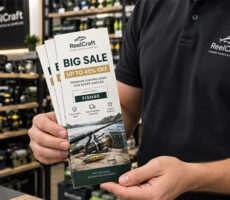
Small flyers are ideal when your goal is to distribute information quickly and encourage customers to take it with them. Their compact size makes them easy to hand out, carry, and save for later, making them a popular choice for businesses that rely on direct, local marketing.
They’re especially effective for:
- Restaurant takeout promotions
- Street marketing campaigns
- Community events
- Local service advertising
- Coupons and limited-time offers
- Event handouts
Because space is limited, small flyers naturally encourage businesses to simplify their message. Instead of trying to explain every product or service, focus on one promotion, one call to action, and the most important information customers need to know.
Small Flyers Work Best When You Need:
- Easy portability so customers can carry the flyer in a pocket, bag, or purse.
- Fast distribution at busy locations such as festivals, trade shows, or community events.
- One clear message that customers can understand in just a few seconds.
- Cost-effective printing for campaigns requiring large quantities.
- High-volume distribution to maximize local reach and brand awareness.
When simplicity and convenience are your priorities, small flyers can be one of the most effective print marketing tools. By making your promotion easy to carry and easy to understand, you increase the chances that customers will keep it—and act on it later.
Medium Flyers
Medium flyers are often the most versatile option because they offer a balance between visibility and portability. They provide enough space to include more detailed information without feeling overwhelming, making them a reliable choice for a wide range of marketing campaigns.
They’re well suited for:
- Retail promotions
- Local business advertising
- Product launches
- Community events
- General business promotions
- Grand openings and seasonal sales
With additional space for images, headlines, and supporting details, medium-sized flyers allow businesses to communicate more while maintaining a clean, easy-to-read layout. They work well when you need to explain an offer, highlight multiple products or services, or include event details without overcrowding the design.
Medium Flyers Work Best When You Need:
- A balance between visibility and portability for customers to easily carry while still making an impact.
- Space for more information without sacrificing readability.
- A flexible format that works across multiple distribution methods, including handouts, counters, and community bulletin boards.
- A professional presentation for promotions, product launches, and local marketing campaigns.
- An all-purpose marketing piece that can support both short-term promotions and ongoing brand awareness.
For many businesses, medium flyers provide the ideal combination of practicality and visual impact, making them a smart choice for campaigns that need to inform, attract, and encourage action.
Large Flyers
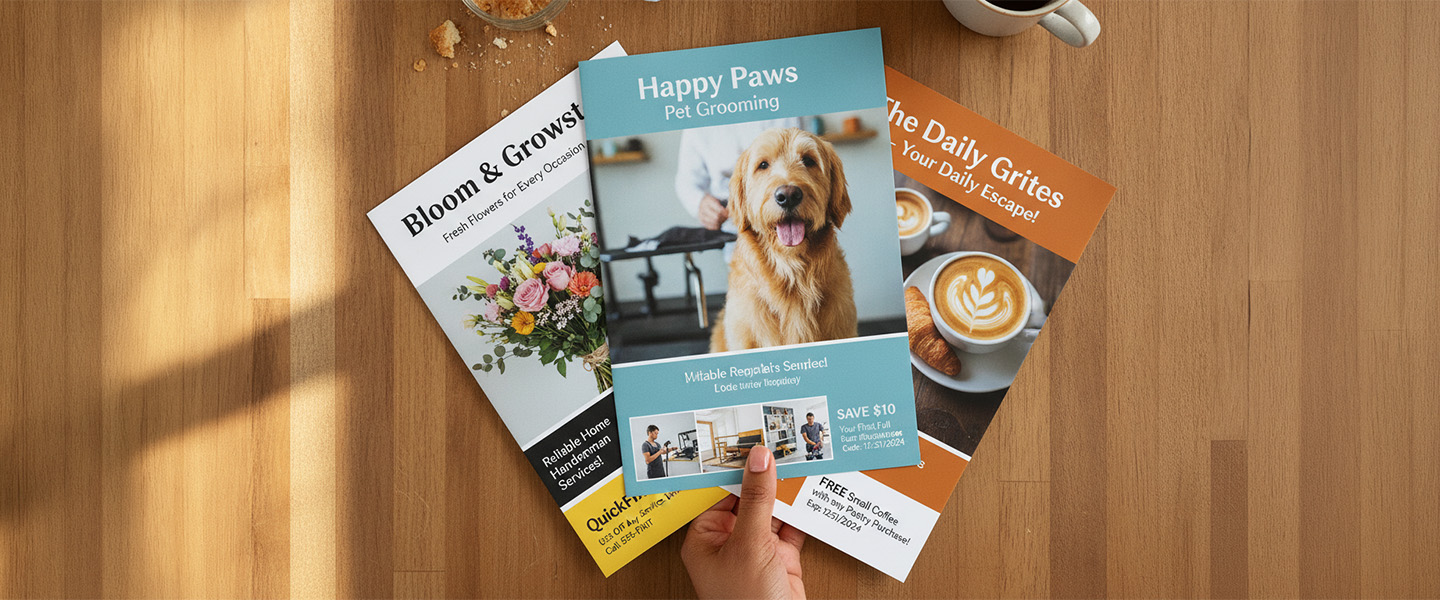
Large flyers are designed to maximize visibility. They work best when your goal is to capture attention from a distance or make a strong visual impact in busy environments where multiple businesses are competing for customers.
They’re especially effective for:
- Events and festivals
- Retail sales and seasonal promotions
- Storefront displays
- Grand openings
- Community campaigns
- Trade shows and exhibitions
The additional space allows for larger headlines, bold graphics, and eye-catching imagery that are easier to notice and read. However, more space doesn’t mean you should include more information. Keeping the design clean and focused helps customers quickly understand your message.
Large Flyers Work Best When You Need:
- Maximum visibility to attract attention in high-traffic areas.
- Customers to notice your promotion from a distance, such as in storefront windows or event displays.
- Larger visuals and bold headlines to create a stronger first impression.
- A promotional piece that supports events, sales, or seasonal campaigns.
- More room for impactful design while maintaining a clear and easy-to-read layout.
When your priority is getting noticed, large flyers provide the space and visual presence to make your promotion stand out. Combined with a simple message and professional printing, they can be an effective way to increase awareness and drive customer engagement.
How Flyer Size Affects Readability
Choosing the right flyer size isn’t just about making your promotion more noticeable—it’s also about making it easier to read. Even the best offer can be overlooked if the design feels crowded or difficult to scan.
A well-designed flyer should guide customers naturally from the headline to the key details and, ultimately, to your call to action. The right size gives you enough space to organize information clearly without overwhelming the reader.
When designing your flyer, pay attention to:
- Font size – Make sure headlines and body text are large enough to read quickly, especially in busy environments.
- White space – Leaving space between sections helps reduce visual clutter and makes important information easier to find.
- Visual hierarchy – Use clear headings, images, and formatting to direct customers’ attention to the most important parts of the flyer.
- Calls to action – Whether you’re inviting customers to visit your store, scan a QR code, or attend an event, your call to action should be easy to locate and understand.
Rather than filling every inch of available space, focus on creating a layout that feels clean, organized, and easy to follow. Customers are far more likely to engage with a flyer that communicates its message quickly than one that tries to include too much information.
If you’re looking for more layout and design tips, our guide on What People Read First on a Flyer (According to Print Designers) explains how customers naturally scan printed marketing materials.
Match Flyer Size to Your Distribution Strategy
The most effective flyer size depends not only on your message but also on how customers will receive it. Choosing a format that matches your distribution strategy can improve visibility, readability, and the likelihood that customers will keep your flyer.
Consider where your flyers will be used:
- Street distribution – Smaller flyers are easier to hand out and carry, making them ideal for busy sidewalks, community outreach, and local promotions.
- Waiting rooms – Medium-sized flyers provide enough space to share detailed information while remaining easy for customers to browse during their visit.
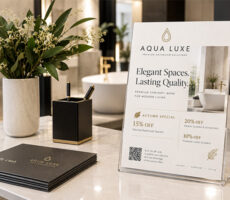
- Counter displays – Medium or large flyers help attract attention at checkout counters, reception desks, or service areas where customers have time to look more closely.
- Direct mail – Choose a size that fits comfortably into envelopes or mailers while providing enough room for your message and a clear call to action.
- Events and festivals – Smaller flyers work well for handouts, while larger formats can be displayed at booths or entrances to attract attention from a distance.
- Trade shows – Medium and large flyers are ideal for showcasing products, services, or event information while complementing banners and other display materials.
By considering where and how your flyers will be distributed before selecting a size, you can create marketing materials that are easier for customers to notice, read, and remember. Matching the format to the customer experience is often just as important as the message itself.
Flyer Sizes at a Glance
Choosing the right flyer size comes down to balancing visibility, readability, and portability. The table below provides a quick overview of which flyer formats work best for different marketing goals.
| Flyer Size | Best For | Main Advantage |
| Small | Handouts, takeout promotions, coupons | Easy to carry and distribute |
| Medium | Retail promotions, local marketing, community events | Balance of visibility and portability |
| Large | Events, storefront displays, sales promotions | Maximum visibility and visual impact |
There’s no one-size-fits-all solution. The most effective flyer is the one that matches your campaign objective, reaches customers in the right environment, and makes your message easy to notice and understand.
Rack Cards Sometimes Work Better Than Flyers
This is especially true for businesses relying on:
tourism,
hospitality,
waiting rooms,
or local discovery marketing.
In these environments, rack cards often outperform traditional flyers because they stay visible for longer periods in physical display spaces.
Customers interact with rack cards differently because they discover them more intentionally rather than receiving them directly by hand.
If you’re comparing formats for local marketing, this article on when businesses should use rack cards instead of flyers explains how customer behavior changes depending on placement and visibility strategy.
Print Quality Matters as Much as Flyer Size
Choosing the right flyer size is only part of the equation. Even a well-sized flyer can lose its impact if the print quality doesn’t reflect the professionalism of your business.
Customers often form an opinion within seconds based on how a flyer looks and feels. Crisp printing, vibrant colors, and quality paper stock help communicate credibility before they even begin reading the content.
When printing flyers, pay attention to:
- Paper stock – A heavier paper stock creates a more durable, premium feel and helps your flyer stand out from lower-quality materials.
- Color quality – Bright, accurate colors make images and branding more eye-catching while reinforcing a polished appearance.
- Print sharpness – Clear text and high-resolution graphics improve readability and ensure important details aren’t overlooked.
- Professional presentation – Clean finishes, consistent branding, and quality printing help your business appear more established and trustworthy.
The best flyer campaigns combine the right size with professional printing. When customers notice both the design and the quality of the finished product, they’re more likely to read your message, keep your flyer, and remember your business.
Choosing the right size is only part of creating an effective flyer. Learn why print quality also influences customer perception in Cheap vs Premium Printing: What Customers Actually Notice.
Common Flyer Size Mistakes
Choosing the right flyer size is important, but how you use that space matters just as much. Avoiding a few common mistakes can make your flyer easier to read, more visually appealing, and more effective at capturing attention.
Choosing a Flyer That’s Too Small
A compact flyer is convenient to carry, but it can become difficult to read if you try to include too much content. Choose a size that provides enough room for your message without making the design feel cramped.
Trying to Fit Too Much Information
One of the most common mistakes is treating a flyer like a brochure. Focus on a single promotion, event, or call to action rather than trying to explain every product or service your business offers.
Ignoring Readability
Small fonts, crowded layouts, and limited white space make flyers harder to scan quickly. Keep headlines prominent, use easy-to-read text, and leave enough space between sections to guide readers through the content.
Using the Wrong Format for Distribution
Consider how customers will receive your flyer. A large flyer may attract attention in a storefront, but it can be inconvenient to hand out at a busy event. Likewise, a smaller flyer may be perfect for direct distribution but less effective for window displays.
Prioritizing Size Instead of Clarity
A larger flyer doesn’t automatically create better results. The most successful flyers communicate a clear message with a clean layout, strong visuals, and an obvious call to action. Choosing the right size should always support your marketing objective—not replace it.
Which Flyer Size Is Right for Your Business?
The best flyer size depends on your industry, your marketing goals, and how customers will interact with your promotion. While there isn’t a one-size-fits-all solution, certain formats tend to work better for specific types of businesses.
Restaurants
Small flyers are ideal for takeout orders, menu inserts, coupons, and local promotions. They’re easy for customers to carry home and can encourage repeat visits or limited-time offers.
Retail Stores
Medium and large flyers work well for seasonal sales, new product launches, and in-store promotions. They provide enough space to showcase products while remaining easy to read and distribute.
Events & Festivals
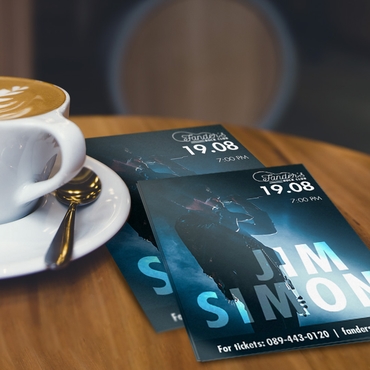
Large flyers are often the best choice for promoting concerts, community events, festivals, and fundraisers. Their larger format makes them more noticeable in busy environments and allows for bold visuals that capture attention.
Planning an event? Our guide on What Should You Print Before a Summer Event? (Prioritized by Budget) can help you choose the right mix of printed materials beyond flyers.
Healthcare
Medical practices, dental offices, and clinics typically benefit from medium-sized flyers. They provide enough room to explain services, preventive care, or health campaigns while maintaining a clean, professional appearance in waiting rooms and reception areas.
Real Estate
Real estate professionals often use medium or large flyers for open houses, property showcases, and neighborhood marketing. The additional space helps highlight property photos, key features, and contact information without overcrowding the design.
Local Service Businesses
Contractors, landscapers, plumbers, electricians, and other home service providers often find small and medium flyers to be the most practical. These formats work well for door-to-door distribution, community bulletin boards, local events, and direct mail campaigns.
Ultimately, the right flyer size is the one that supports your marketing objective, fits your distribution strategy, and presents your message clearly. Choosing a format that aligns with how customers will see and use your flyer can help you create a more effective campaign.
Final Thoughts
The best flyer size depends on how customers will physically encounter, carry, and interact with the promotion itself.
Smaller flyers work well for direct distribution and portability.
Larger flyer formats create stronger visual attention for events and storefront marketing.
Medium-sized formats often balance visibility and convenience most effectively.
In 2026, flyer marketing still performs extremely well because physical visibility remains incredibly powerful in local environments.
The businesses seeing the strongest results are usually the ones choosing flyer dimensions strategically instead of treating size as an afterthought.
Explore professional Flyer Printing, Posters, and Rack Cards at Overnight Prints to create print marketing designed for real-world visibility and customer engagement.
Frequently Asked Questions
What is the most common flyer size?
Medium-sized flyers are among the most popular because they offer a good balance between visibility, readability, and portability. They’re versatile enough for retail promotions, local marketing, community events, and general business advertising.
What flyer size is best for events?
It depends on how the flyer will be used. Large flyers work well for event displays and promotional boards because they’re easy to spot from a distance, while smaller flyers are ideal for handing out at festivals, trade shows, and community events.
Are smaller flyers more effective?
Smaller flyers can be very effective when the goal is quick distribution and easy portability. They’re a great choice for coupons, takeout promotions, and street marketing, especially when the message is simple and focused.
Should I choose a flyer or a rack card?
Choose a flyer if you plan to hand it directly to customers or distribute it widely throughout your community. Rack cards are often a better option for hotels, visitor centers, waiting rooms, and other display locations where customers browse printed materials at their own pace.
How much information should a flyer include?
A flyer should focus on one main message, promotion, or event. Include only the information customers need to understand the offer and take action, supported by a clear headline, concise text, and a strong call to action.
Does flyer size affect printing costs?
Yes. Larger flyers generally require more paper and ink, which can increase printing costs. However, the best choice isn’t always the least expensive one. Selecting the right size for your marketing objective can improve the effectiveness of your campaign and provide better overall value.
Resources
- FedEx Office – Design & Print Tips – Best practices for creating effective printed marketing materials, including flyers, posters, and promotional pieces.
- Direct Marketing Association (DMA) – ANA – Research and industry insights on print marketing, customer engagement, and direct marketing best practices.
- Printing United Alliance – Educational resources and industry guidance on commercial printing, print quality, and print production best practices.