Print marketing still works.
In fact, for many small businesses, print is one of the fastest ways to:
- get noticed locally
- build trust
- increase repeat customers
- drive real-world action
But there’s one problem.
A lot of businesses waste money on print that never performs.
Not because print “doesn’t work.”
But because of avoidable printing mistakes that quietly hurt results before the campaign even starts.
The wrong design.
The wrong format.
The wrong messaging.
The wrong strategy.
Whether you’re printing flyers, business cards, menus, postcards, or packaging, avoiding these mistakes can save you money and help your print actually convert.
Here are the most common print mistakes small businesses make — and exactly how to fix them.
Mistake #1: Printing Without a Clear Goal
The Problem
One of the biggest printing mistakes businesses make is ordering materials without knowing what they’re supposed to accomplish.
For example:
- printing flyers “just in case”
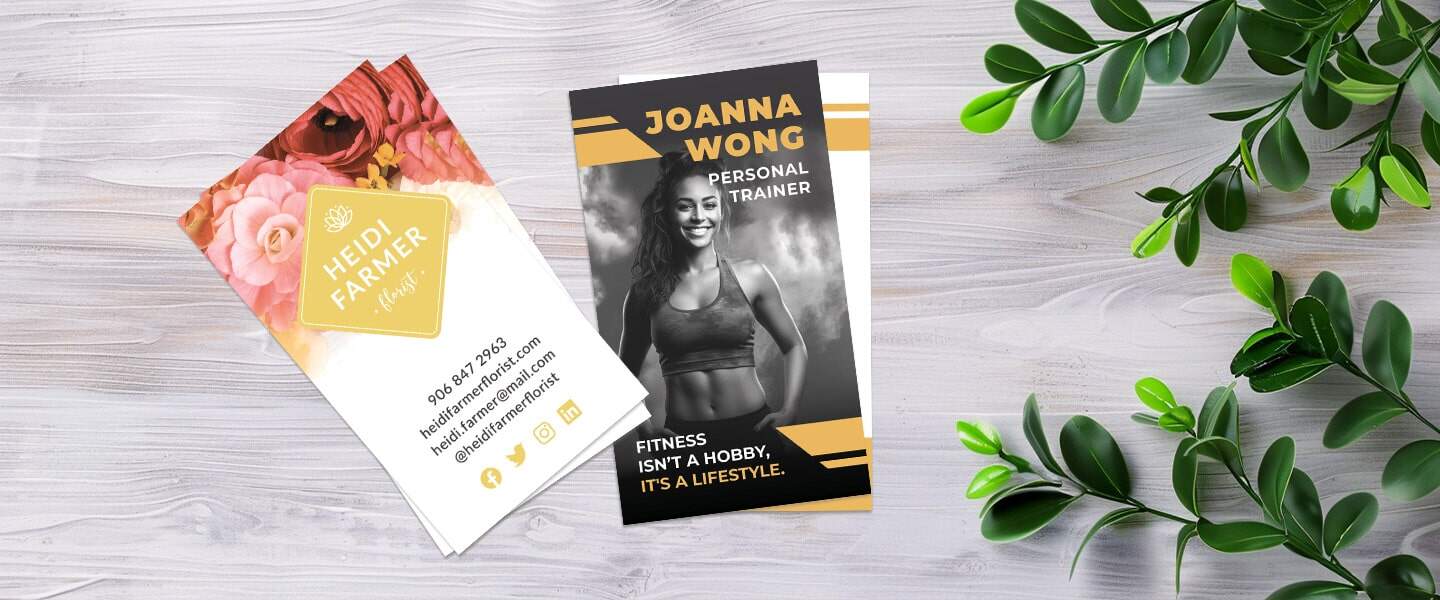
- ordering business cards with no CTA
- creating posters without a clear message
- mailing postcards with no offer
The result?
Print that gets ignored, forgotten, or thrown away.
The Fix
Every print piece should have ONE job.
Before ordering anything, ask:
- What do I want this to do?
- Who is this for?
- Where will people see it?
- What action should they take next?
For example:
| Print Product | Main Goal |
|---|---|
| Flyers | Promote an offer |
| Postcards | Drive local awareness |
| Business Cards | Build professional trust |
| Posters | Increase visibility |
When print has a clear purpose, it performs much better.
Related read: What Small Businesses Should Print First (If You Have a Limited Budget)
Mistake #2: Overloading the Design
The Problem
This is one of the most common printing design mistakes.
Too much text.
Too many colors.
Too many fonts.
Too many ideas competing at once.
When everything is important, nothing stands out.
And most people won’t stop to “figure out” your design.
They’ll just move on.
The Fix
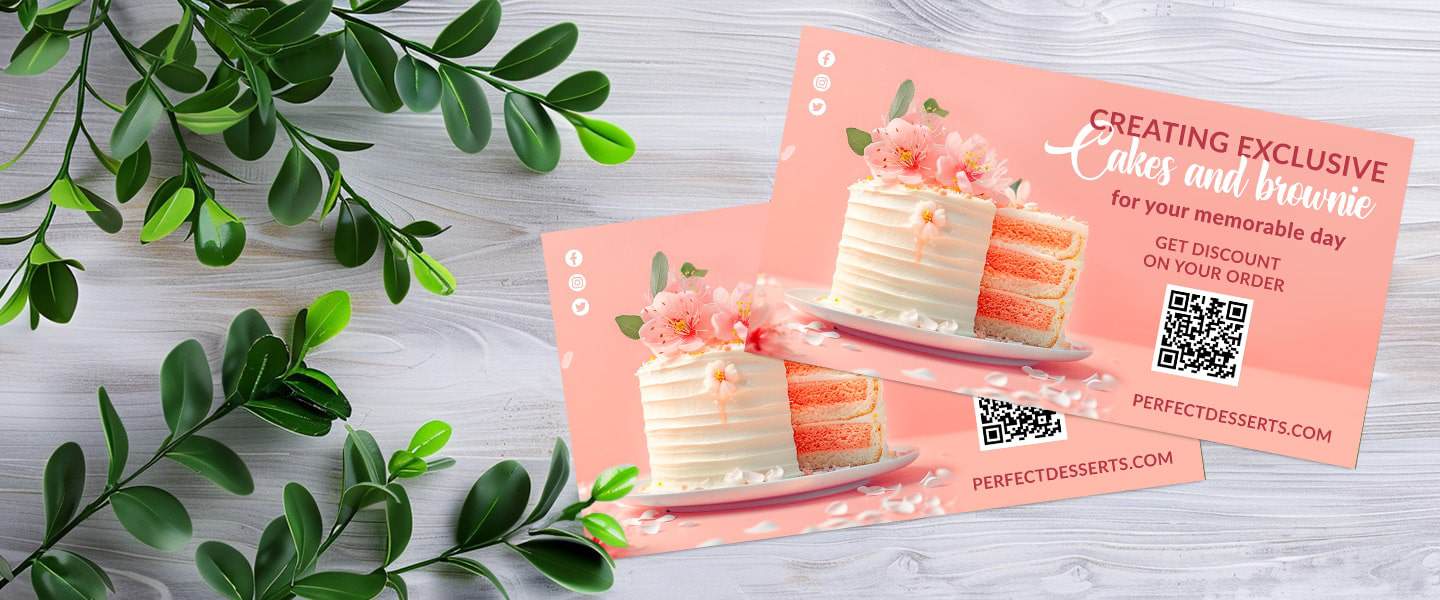
Good print design should feel easy to understand in seconds.
A strong flyer, postcard, or brochure usually needs:
- one headline
- one main message
- one CTA
- clear spacing
- readable fonts
The best print marketing materials are simple, not crowded.
Use:
- one or two fonts max
- consistent brand colors
- strong visual hierarchy
- enough white space
If people can quickly understand your message, they’re more likely to respond.
Related reads:
- How to Design Print Materials That Actually Get Read
- Booklets, Brochures, or Flyers? How Businesses Choose at Each Stage
Mistake #3: Choosing the Wrong Print Product
The Problem
A lot of businesses choose print products based only on price instead of real-world use.
That leads to problems like:
- glossy menus that reflect sunlight
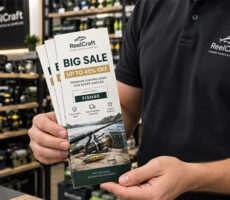
- oversized flyers nobody keeps
- business cards that feel flimsy
- posters that are too small to notice
The wrong print format can make even a good design perform poorly.
The Fix
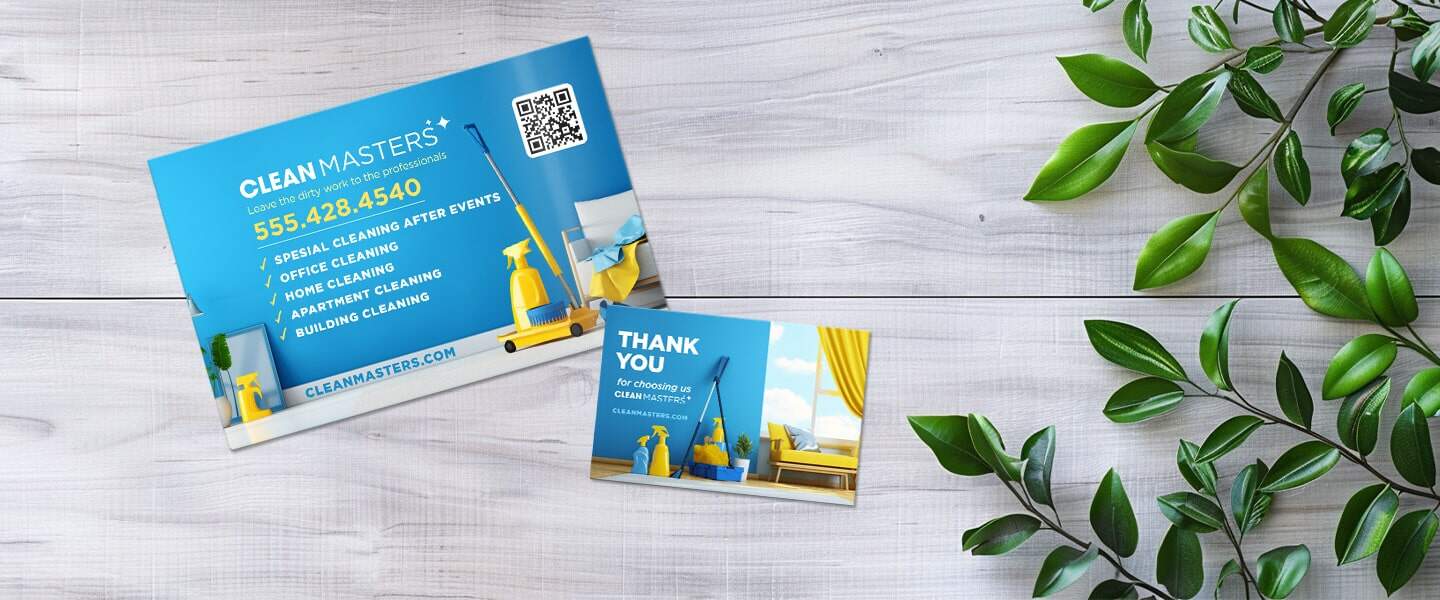
Choose print products based on how customers will actually use them.
For example:
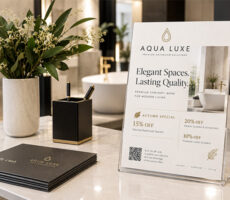
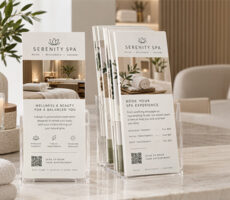
Use Rack Cards for:
- service lists
- counters
- hotel displays
- tourism information
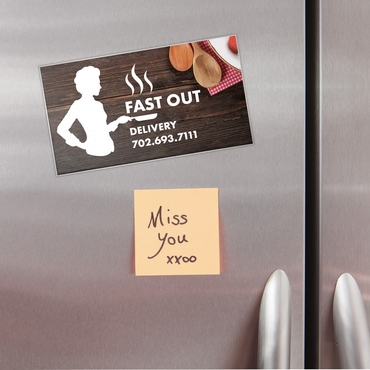
Use Magnets for:
- salons
- delivery businesses
- repair companies
- repeat-service brands
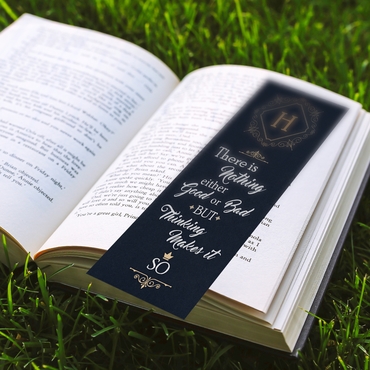
Use Bookmarks for:
- creative businesses
- schools
- bookstores
- coaches
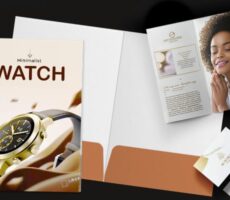
Use Brochures for:
- detailed information
- pricing breakdowns
- presentations
- service explanations
Matching the right product to the right situation improves both results and customer perception.
Related read: Community Marketing Print Ideas for Local Businesses
Mistake #4: Ignoring Packaging and Print Extras
The Problem
Many small businesses focus only on attracting customers and forget about the experience after the purchase.
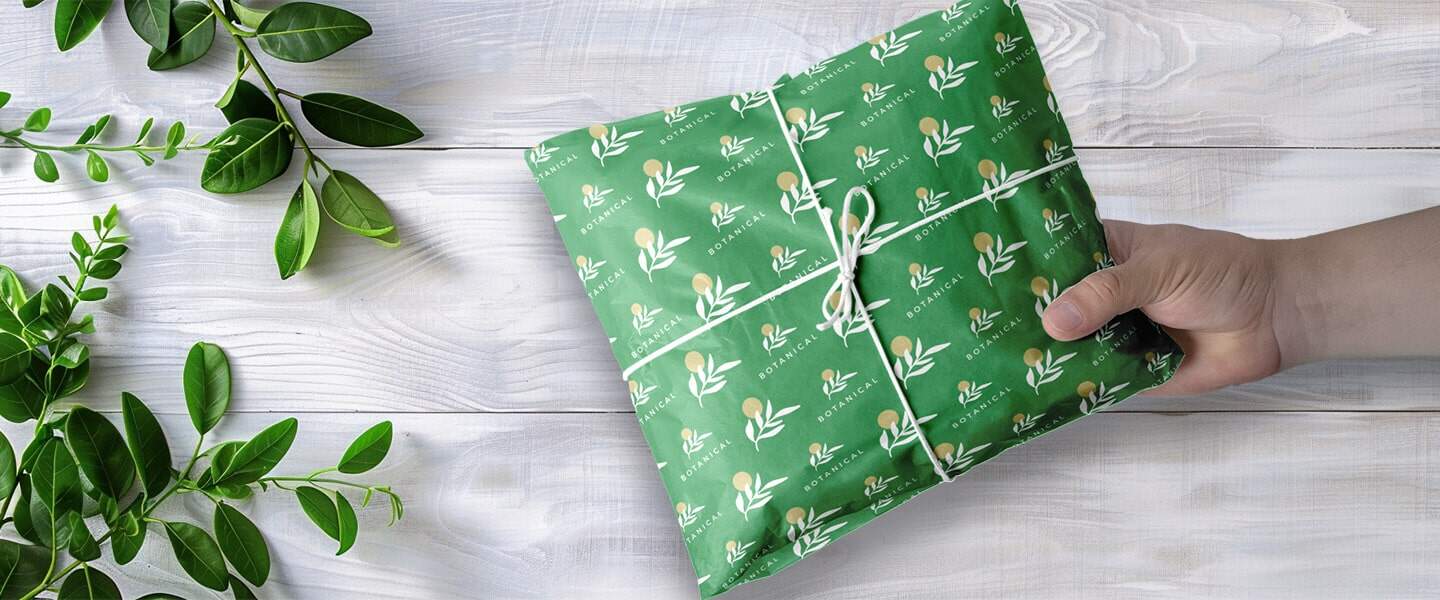
But packaging is part of your marketing too.
Generic packaging creates forgettable experiences.
And forgettable experiences rarely lead to repeat business.
The Fix
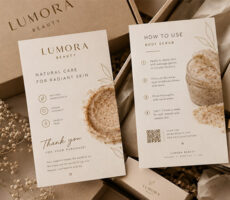
Small print touches can dramatically improve perceived value.
Businesses now use:
to create stronger unboxing experiences.
Simple additions like:
- thank-you cards
- discount inserts
- care instructions
- branded packaging
can increase:
- repeat purchases
- referrals
- social shares
- customer loyalty
Related read: The Psychology Behind Prints Customers Actually Keep
Mistake #5: Not Using QR Codes or Trackable CTAs